Which Chengdu Panda Base Should You Visit? An Honest Comparison (2026)
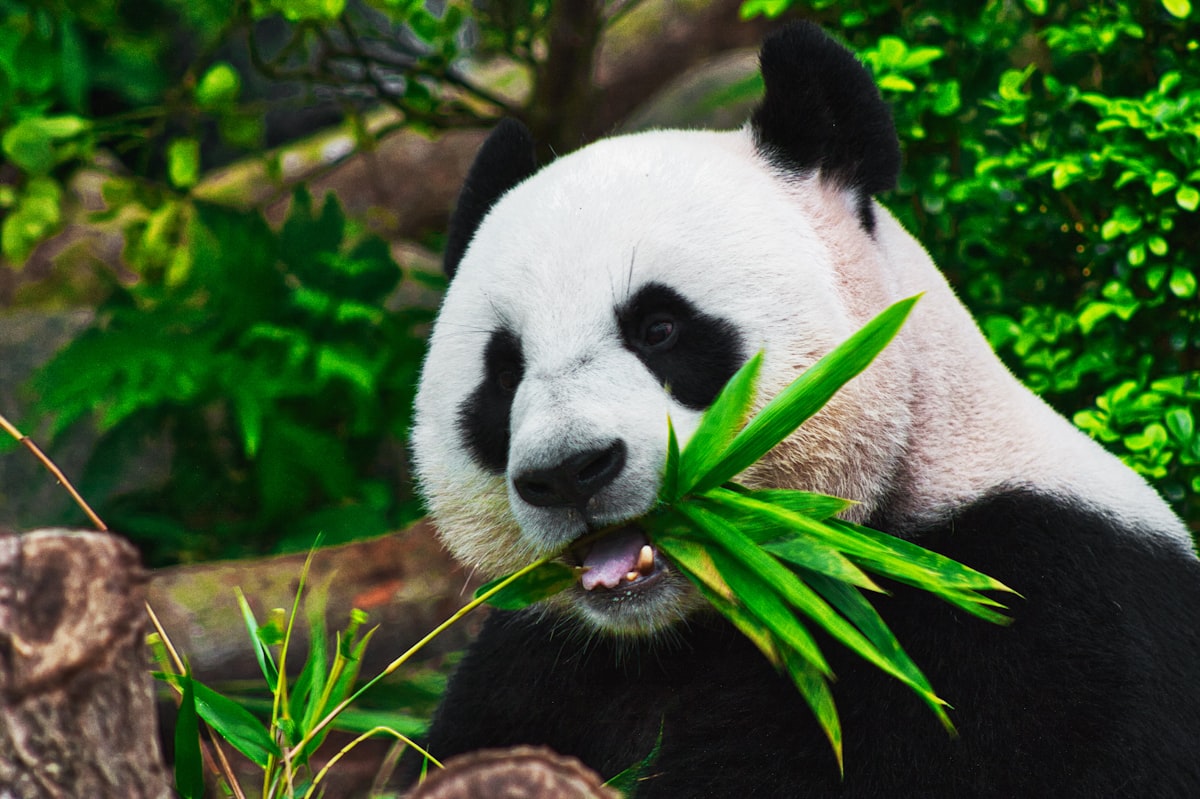
Everyone comes to Chengdu for the pandas. It’s the city’s identity — the airport has panda sculptures, the metro cards have panda designs, and the hot pot restaurants will ask if you’ve been to “the panda base” before they ask where you’re staying.
But “the panda base” isn’t one place anymore. There are four major facilities around Chengdu, and they are wildly different experiences. Pick wrong, and you’re shoulder-to-shoulder with tour buses watching a sleeping panda through smudged glass at 11 AM, wondering why you got up early. Pick right, and you’re on a quiet forested boardwalk while a red panda walks past you like you’re the one in the enclosure.
This guide compares them honestly — real prices, real travel times, real crowd levels — so you pick the right one for YOUR trip. No vague recommendations. A clear answer at the end.
The Quick Comparison Table
If you read nothing else, read this:
| Base | Distance | Pandas | Crowds | Best For |
|---|---|---|---|---|
| Chengdu Research Base | 30 min | 160+ | Extreme | Baby pandas, first-timers on a tight schedule |
| Dujiangyan Panda Valley | 1.5 hrs | ~20 | Light | Best overall experience, red pandas, photographers |
| Dujiangyan Panda Base | 1.5 hrs | ~30 | Moderate | ⚠️ CLOSED for renovation from April 23, 2026 |
| Wolong / Bifengxia | 2-4 hrs | Moderate | Very quiet | Volunteer programs, nature, serious panda enthusiasts |
Chengdu Research Base of Giant Panda Breeding — The Famous One
What It Is
This is the one everyone means when they say “the panda base.” 245 hectares of bamboo forest and panda enclosures. Over 160 giant pandas. The only facility within Chengdu city limits where you can see newborn cubs — tiny pink things the size of a stick of butter — in the nursery area (July through September). Home to Hua Hua (花花), the most famous panda in China: chubby, slow-moving, perpetually eating, with a dedicated fan base that queues for hours just to see her for three minutes.
It opened in 1987 and carries the full weight of Chengdu’s panda tourism on its shoulders. On any given morning, thousands of people pour through the gates. It is simultaneously one of the best wildlife facilities in the world and one of the most overwhelming tourist experiences in China.
The Good
- Closest to the city. Metro Line 3 plus a short shuttle bus gets you there in 30-40 minutes. You can do a half-day visit and be back in central Chengdu by lunch.
- Most pandas. 160+. You will see pandas. Lots of them. Cubs, juveniles, adults, the whole spectrum.
- Baby pandas (seasonal). The Moonlight Nursery and Sunshine Nursery house newborn cubs from July through September. This is the main reason to choose this base over any other. Tiny, pink, fragile — there is nothing else like it in the panda world.
- Hua Hua. She’s a phenomenon. Chunky, round, always eating, perpetually photogenic. Seeing her in person — even for the permitted three minutes — is a genuine Chengdu bucket list item.
- Well-developed facilities. English signage throughout. Cafes, gift shops, clean bathrooms by Chinese standards. Paved paths. You won’t get lost and you won’t go hungry.
The Bad
- EXTREMELY crowded. This cannot be overstated. Tour buses arrive by 8:30 AM. By 10 AM, the popular enclosures are a solid mass of people with selfie sticks. The queue for Hua Hua can exceed two hours — for a two-to-three-minute viewing window. On weekends and holidays, the base pauses entry when 36,000 visitors are inside.
- Summer = indoor pandas. Above 26°C (79°F), pandas are moved to air-conditioned indoor enclosures. You’ll be watching them through glass, which makes photography frustrating and the experience feel more like a zoo than a sanctuary. Chengdu summers regularly hit 35°C.
- Commercial. It feels like a major tourist attraction — because it is. Crowd control barriers, gift shops at every junction, cafes selling panda-shaped steamed buns for ¥35. Many travelers describe it as “more zoo than sanctuary.”
- Hua Hua viewing is strictly controlled. She’s at Villa No. 6 in the South Zone. Staff rotate groups through for 2-5 minutes per batch. She’s off-duty every Monday (maintenance day). You can queue for two hours and she might be asleep.
Key Details
| Detail | Info |
|---|---|
| Entry fee | ¥55 adult, ¥27 student, free for under-6 and 60+ |
| Online booking | Mandatory — no on-site ticket sales. Book via WeChat mini-program, Meituan, or Trip.com 1-7 days ahead. Daily cap: 60,000. |
| Hours | 7:30 AM – 6:00 PM (Mar-Oct), 8:00 AM – 5:30 PM (Nov-Feb). Last entry 1 hour before close. |
| Best arrival | 7:15-7:30 AM. Gate opens at 7:30. The line starts forming before 7:00. |
| Which gate? | West Gate (Line 3 to Military General Hospital Station, Exit B, then Bus 409) for fewer crowds. South Gate (Line 3 to Panda Avenue Station, Exit A, then Bus 408) is closer to Hua Hua and the nurseries — but it’s also the tour-bus entrance. Pick your priority. |
| Internal shuttle | ¥30 for unlimited rides. Worth it — the base is enormous and Chengdu summers are humid. |
| Nursery viewing | Baby pandas visible July-September. Moonlight Nursery is the main cub area. Go here FIRST. |
| Annual pass | ¥168 if purchased Jan 1 – Feb 15, valid all year. Worth it if you’re in Chengdu more than 3 days. |
| Hua Hua queue | Weekday mornings: 20-40 min. Weekend/holiday: 1-3 hours. Closed Mondays. Villa No. 6, South Zone. |
Strategy
Enter the West Gate at 7:30 AM sharp. Take the shuttle directly to the nursery area before crowds accumulate — this is your window for unobstructed cub viewing. Then work backwards through adult enclosures. By 11 AM you’ve seen everything while the South Gate crowds are still filtering in. Leave by noon. Eat lunch somewhere that isn’t selling ¥35 panda buns.
If Hua Hua is your main goal, use the South Gate instead, be there by 7:00 AM, and go straight to Villa No. 6. Accept that you’ll queue. On a hot day, check the temperature before committing — if the forecast is above 28°C, she’ll likely be indoors and the outdoor queue becomes pointless.
Best Season
March-May and October-November. Temperatures stay below 26°C, pandas are outdoors and active, and the bamboo is lush. Avoid July-August (heat drives pandas indoors) and Golden Week (October 1-7 — every attraction in China is a human traffic jam). Also avoid Chinese New Year — pandemonium.
Dujiangyan Panda Valley (都江堰熊猫谷) — The One You Should Actually Visit
What It Is
If you ask me “which panda base should I visit?” and I only get to say one sentence, the sentence is: Dujiangyan Panda Valley, arrive by 8:00 AM.
This is the traveler-recommended winner. A spacious, natural valley setting about 70 km northwest of Chengdu. Pandas live in large forested enclosures that look like actual panda habitat, not concrete zoo exhibits. The facility focuses on wild-release training — preparing captive-born pandas for life in the wild — and the philosophy shows in the design. Everything feels like a sanctuary, not a theme park.
The red pandas are the show-stealer. They roam freely along elevated boardwalks in a dedicated free-range area, with no fences between you and them. They walk past you. They sit on the railing next to you. One might brush your leg with its tail. It is — and I do not use this word lightly — magical.
The Good
- Lightest crowds of any panda facility near Chengdu. Even on weekends, you’ll have breathing room. On a weekday morning, you might share a viewing platform with five other people.
- Red pandas free-roaming. This is the thing. You cannot get this at the Research Base. You cannot get this at most panda facilities in the world. Red pandas on a boardwalk, at arm’s length, doing their own thing. The photos are incredible. The memory is better.
- Natural, forested setting. Bamboo groves, mountain streams, forest paths. It smells like a forest, not a cafeteria. The enclosures use the natural terrain. This is what panda conservation looks like when the pandas come first and the tourists come second.
- Closer viewing. Glass enclosures put you meters from giant pandas. At the Research Base, you’re often 10-15 meters back behind barriers. Here, you’re right there. Phone cameras actually work.
- Accessible. Flat, paved boardwalks. Stroller and wheelchair friendly. Elderly family members can navigate it comfortably.
- Consistent traveler ratings. Across TripAdvisor, Reddit, Trip.com, and independent travel blogs, Panda Valley consistently ranks #1 for visitor satisfaction.
The Bad
- Fewer giant pandas. ~15-20. You’ll see enough pandas to feel satisfied, but it’s not the spectacle of 160+ animals that the Research Base offers.
- No baby pandas. The nursery and breeding facilities are at the Research Base. If you’re traveling July-September specifically to see newborn cubs, this isn’t your place.
- Further from the city. 1.5 hours each way by train + taxi. You can’t do this on a whim — it’s a morning commitment.
- No volunteer program. That’s the Dujiangyan Panda Base, a separate facility (and currently closed — see below). Don’t confuse them.
- Limited food. A small panda-themed cafe exists. It’s fine. Bring snacks and water. You’ll be walking for 2-3 hours and the food options are minimal.
Key Details
| Detail | Info |
|---|---|
| Entry fee | ¥55 adult, ¥27 student/child, free for under-6 and 60+ |
| Booking | Via official “Panda Valley” WeChat account or Trip.com. Book 3+ days ahead during holidays. |
| Hours | 7:30 AM – 6:00 PM (May-Oct), 8:00 AM – 5:30 PM (Nov-Apr). Last entry 1 hour before close. |
| Best arrival | 8:00 AM. Red pandas are fed around 9:00 AM — that’s when they’re most active on the boardwalks. |
| Red panda area | Uphill at the highest part of the park. Stay on the path. Don’t touch — they bite, and they’re fast. Photos are incredible. No flash. |
| Temperature | Same rule: above 26°C, giant pandas head indoors. Go early. |
| Time needed | 2-3 hours for a thorough visit. The suggested route: Entrance → Giant Panda Villa → Red Panda Area → Panda Hospital → exit. |
| Travel | Metro Line 2/6 to Xipu Station → HSR to Dujiangyan/Liduigongyuan Station ( |
| Combo day | Morning at Panda Valley → afternoon at Dujiangyan Irrigation System (15 min away, UNESCO World Heritage) → evening at Guanxian Ancient Town. This is a perfect Chengdu day trip. |
Dujiangyan Panda Base (都江堰熊猫基地) — ⚠️ Currently Closed
Critical 2026 Update
The Dujiangyan Panda Base closed for renovation on April 23, 2026. No reopening date has been announced. The panda volunteer/keeper program — this base’s main draw — is suspended until further notice.
When operational, this was the volunteer base: ~30 pandas, a half-day keeper program where you’d clean enclosures, prepare panda cakes (steamed corn-soy-rice bread), and feed pandas at close range while wearing a blue jumpsuit. Travelers who did it called it life-changing. The certificate at the end was a genuine souvenir.
Where to Volunteer Instead
With Dujiangyan closed, the remaining volunteer options are further afield:
| Base | Distance | Time | Volunteer Fee | Daily Cap | Age Range |
|---|---|---|---|---|---|
| Wolong Shenshuping | ~130 km | 2 hrs | ¥900 (~$125) | 20-30 people | 12-65 |
| Bifengxia (Ya’an) | ~150 km | 2.5-3 hrs | ¥700-1,000 (~$100-140) | 20-40 people | 8-70 |
Wolong Shenshuping is the best alternative. It sits at 1,700m altitude in a genuine mountain nature reserve, far from any city. The drive through Yingxiu and Gengda is dramatic — mountains, rivers, tunnels through solid rock. You’ll clean enclosures, smash bamboo, prepare food, watch a documentary, and get your certificate. Book at least 5 days in advance with passport and health form. The public bus from Xinnanmen Station (¥45 one-way, departs 7:00 AM) can get you there, but a guided tour with transport included is far less stressful.
Activities at all volunteer programs include: cleaning enclosures, breaking and carrying bamboo, making panda cakes (wotou), food preparation, behavioral observation, and a documentary film. You cannot touch or hold pandas at any base — those days are over. This is a keeper-assist experience, not a petting zoo.
Wolong & Bifengxia — For the Panda Die-Hards
These bases are 2-3.5 hours from Chengdu, deep in the mountains of western Sichuan. They house overseas-returned pandas — pandas that were on loan to foreign zoos and have returned home — along with wild-born rescues and breeding populations. The settings are spectacular: misty mountain valleys, rushing rivers, dense forest.
Crowds are virtually nonexistent. On a weekday at Wolong Shenshuping, you might see fewer than 30 other visitors all day. The pandas have enormous, naturalistic enclosures that blur the line between captivity and the wild.
Only worth the journey if:
- You want to do the volunteer program (Wolong is the best currently available option)
- You’ve already done the Chengdu bases and want something deeper
- You’re a serious panda enthusiast making a pilgrimage
- You want to combine panda viewing with genuine mountain scenery
For 95% of travelers, the Research Base or Panda Valley is the right choice. Wolong and Bifengxia are for the committed.
Which Base Should YOU Pick?
Here is the decision matrix. Find your situation and go:
| If you… | Choose | Why |
|---|---|---|
| Have limited time (half day) | Chengdu Research Base | Closest to the city, most pandas, possible baby pandas. Arrive at 7:30 AM. |
| Want to see baby pandas (Jul-Sep) | Chengdu Research Base | The only base with a nursery. Go straight there at opening. |
| Hate crowds | Dujiangyan Panda Valley | Peaceful, forested, red pandas on boardwalks. Weekday mornings are almost empty. |
| Want hands-on panda experience | Wolong Shenshuping | Dujiangyan Base is closed. Wolong’s volunteer program is the best currently available. |
| Are a photographer | Dujiangyan Panda Valley | Natural setting, closer viewing distances, red pandas at arm’s length, fewer photo-bombers. |
| Traveling with kids under 12 | Research Base (easiest) OR Panda Valley (better experience) | Base has facilities, cafes, gift shops. Valley has magic — red pandas, forest paths, space to move. |
| Want the “I can’t believe this is happening” moment | Dujiangyan Panda Valley | A red panda walking past you on a boardwalk. No fence. No cage. This is the core memory. |
| Have already seen pandas before | Dujiangyan Panda Valley | Completely different experience from the Research Base. Sanctuary vibes, not zoo vibes. |
| Have a full day to spare | Dujiangyan Panda Valley + Irrigation System | The perfect Chengdu day trip: pandas in the morning, 2,000-year-old engineering in the afternoon. |
| Visiting July-August | Any base, but go EARLY | Pandas go indoors above 26°C everywhere. Arrive by 7:30-8:00 AM or accept glass-enclosure viewing. |
The bottom-line recommendation: For 90% of travelers, go to Dujiangyan Panda Valley. It’s further, and it is worth it. The red pandas alone justify the trip. If you absolutely must see baby pandas (July-September) or have only one morning in Chengdu: Chengdu Research Base, arriving at 7:30 AM through the West Gate. The volunteer experience at Wolong (while Dujiangyan is closed) is the splurge that people call “life-changing.”
The Golden Rules of Panda Viewing
These apply to every panda facility in China. Ignore them at your own frustration.
- Arrive at opening time. 7:30 AM. Not 8:30. Not 9:00. Pandas eat between 8:00-10:30 AM. After that, they sleep. The difference between arriving at 7:45 AM and arriving at 9:30 AM is the difference between watching a panda climb a tree and watching a panda-shaped lump of fur not move for an hour.
- Above 26°C (79°F), pandas go indoors. Book in spring, autumn, or winter for outdoor viewing. Summer panda visits mean watching through glass — still worth it, but set your expectations. In July and August, the morning window is everything.
- Morning feeding is the show. Keepers scatter bamboo and panda cakes. This is when pandas are most active, most photogenic, and most likely to do something that isn’t sleeping. Be there for it.
- Don’t tap glass, don’t shout, don’t throw things. Obvious, but you’d be surprised what people do. Flash photography damages panda eyes and is strictly prohibited. Staff enforce this.
- Red pandas are not pets. They’re wild animals with sharp claws, sharp teeth, and zero interest in being your friend. Stay on the path. Don’t touch. Don’t try to feed. The photo of a red panda isn’t worth a tetanus shot.
- Bring a real camera if you have one. Phone cameras struggle with the enclosure distances and mixed lighting at the Research Base. Panda Valley is better for phones (closer, natural light), but a dedicated camera with a decent zoom will dramatically improve your photos at any base.
- Book tickets online in advance. For the Research Base, this is mandatory — no on-site sales. For Panda Valley, it’s strongly recommended, especially during holidays and weekends. Tickets can and do sell out.
- Never visit during Golden Week (October 1-7) or Chinese New Year. Every attraction in China becomes a human traffic jam. Pandas will be the least of your problems. Hotel prices triple. Train tickets vanish. Just don’t.
- Check the weather the night before. Heavy rain means pandas stay in their indoor enclosures and you’ll be walking through mud. Extreme heat means glass-only viewing. If your schedule is flexible, pick the best weather day for your panda visit.
- Wear comfortable walking shoes. You’ll walk 3-5 km at the Research Base, 2-3 km at Panda Valley. Paths are paved but there are hills and steps. Flip-flops are a bad idea.
Practical Logistics
Getting There
| Chengdu Research Base | Dujiangyan Panda Valley | Wolong Shenshuping | |
|---|---|---|---|
| Metro | Line 3 to Military General Hospital (West Gate) or Panda Avenue (South Gate) | Line 2/6 to Xipu, then HSR | N/A |
| Total travel time | 30-45 min | 1.5-2 hrs | 2-2.5 hrs |
| HSR needed? | No | Yes — Xipu → Dujiangyan/Liduigongyuan, ~20 min, ¥10 | No (but impractical without car/tour) |
| DiDi cost (one-way) | ¥30-50 | ¥200-300 | ¥400-600 |
| Half-day possible? | Yes (7:30 AM-noon) | Tight but possible if you leave by 6:30 AM | No — full day required |
| English signage | Good | Limited | Very limited |
| Food at facility | Cafes, mediocre but available | Limited cafe — bring snacks | Cafeteria (volunteers only) or nothing — bring everything |
Cost Comparison
| Option | Entry (¥) | Transport RT (¥) | Total (¥) | Total ($) |
|---|---|---|---|---|
| Research Base (metro) | ¥55 | ¥10 | ¥65 | $9 |
| Research Base (DiDi RT) | ¥55 | ¥60-100 | ¥115-155 | $16-22 |
| Panda Valley (HSR+taxi RT) | ¥55 | ¥60-100 | ¥115-155 | $16-22 |
| Panda Valley (DiDi RT) | ¥55 | ¥400-600 | ¥455-655 | $63-91 |
| Wolong volunteer (tour package) | ¥900* | included | ¥900-1,500 | $125-210 |
| Wolong public bus RT (view only) | ¥90 | ¥90 | ¥180 | $25 |
*Volunteer donation fee. Tour packages including transport, guide, lunch, and fees typically run ¥1,200-1,800 ($165-250).
HSR to Dujiangyan
The Chengdu-Dujiangyan intercity line is simple:
- Depart from Xipu Station (犀浦), accessible via Metro Line 2 or 6
- Arrive at Dujiangyan Station (都江堰) or Liduigongyuan Station (离堆公园) — both work, Dujiangyan Station is slightly closer to Panda Valley
- Trains run 34-38 times daily, roughly every 20-30 minutes from ~7:00 AM to ~10:50 PM
- Journey time: 18-25 minutes
- Fare: ¥10 soft seat (one of China’s cheapest intercity routes)
- Tickets available 15 days in advance on 12306.cn or Trip.com. E-tickets accepted — passport works as ID.
- From Dujiangyan Station, a 15-minute DiDi/taxi to Panda Valley costs ¥20-30
Common Mistakes
People make the same mistakes over and over. Here they are, so you don’t:
-
Arriving at the Research Base after 9 AM. Pandas are asleep. Crowds are at peak. You’ll shuffle past glass enclosures looking at fuzzy lumps. The experience you came for ended at 10:30 AM. You missed it.
-
Confusing Dujiangyan Panda Base and Dujiangyan Panda Valley. They are different facilities. Different locations. Different pandas. The Base (closed for renovation) had the volunteer program. The Valley (open, thriving) has the red panda boardwalks. If you tell a DiDi driver “panda base” in Dujiangyan, confirm which one. Show them the Chinese: 熊猫谷 for Panda Valley, 熊猫基地 for the Base.
-
Not booking Research Base tickets in advance. There are no on-site ticket sales as of 2026. If you show up without a booking, you’re not getting in. Book 1-7 days ahead via WeChat or Trip.com.
-
Visiting July-August expecting outdoor pandas. Above 26°C, they’re indoors. Chengdu summers hit 35°C. You’ll be watching through glass. This is fine if you know what to expect — but travelers who’ve seen photos of pandas in bamboo groves feel bait-and-switched. Go in spring or autumn for the outdoor experience.
-
Trying to do Panda Valley as an afternoon trip. It’s 1.5 hours from Chengdu. Pandas nap after 10:30 AM. If you leave Chengdu at noon, you’ll arrive at 1:30 PM and watch pandas sleep through glass. Make it a morning. Leave by 6:30 AM. Be there by 8:00 AM. This is non-negotiable.
-
Not bringing water and snacks to Dujiangyan bases. Panda Valley has one small cafe. Wolong has nothing unless you’re a volunteer eating at the staff cafeteria. Bring water, bring snacks, bring toilet paper. These are wildlife facilities, not shopping malls.
-
Going on a weekend and being surprised by crowds. The difference between a Tuesday morning at Panda Valley and a Saturday morning is substantial. If your schedule allows it, go Tuesday through Thursday. Friday through Sunday brings domestic weekend visitors. It’s still manageable at Panda Valley — but at the Research Base, it’s the difference between a 20-minute and a two-hour Hua Hua queue.
-
Trying to touch the red pandas at Panda Valley. They bite. They’re fast. They’re wild animals. The elevated boardwalks in the free-range area keep you safely separated while allowing close viewing. Stay on the path. Don’t reach out. The photo isn’t worth the injury — and you’ll likely be ejected from the park.
-
Booking a cheap “panda tour” that spends 90 minutes at the base and 2 hours at a shopping stop. Read the itinerary. If it says “silk factory,” “tea ceremony,” or “shopping stop” — skip it. These tours rush you through the pandas and park you at commission-paying shops. Book independent transport and tickets yourself. You don’t need a guide to watch pandas eat bamboo.
-
Expecting the Research Base to feel like a sanctuary. It doesn’t. It’s a exceptional breeding and research facility that also receives millions of visitors a year. It feels like a major tourist attraction because that’s what it is. Go early, manage your expectations, and appreciate it for what it offers — which is genuinely extraordinary — rather than what you wish it were.
What to Read Next
- Chengdu First-Timer’s Guide: What to Eat, Where to Stay & How Not to Get Lost — Everything you need for a smooth Chengdu trip, from airport navigation to the best hot pot neighborhoods.
- Chengdu Food Guide: Pandas in the Morning, Sichuan Spice at Night — What to eat before and after your panda visit. The noodle shops near the Research Base. The hot pot places worth the queue. The street food you should not miss.
- China Mobile Payment Guide: Alipay, WeChat Pay & Foreign Cards (2026) — You’ll need mobile payment to book panda tickets, pay for DiDi rides, and buy snacks at the base. Here’s how to set it up before you land.
The Bottom Line
Chengdu’s pandas are worth every minute of planning. They’re not just cute — they’re genuinely extraordinary animals, and China’s conservation program has pulled them back from the edge of extinction. Seeing them in person — really seeing them, not fighting crowds for a glimpse — is one of the best wildlife experiences on earth.
The difference between a stressful checkbox and a genuinely moving experience comes down to three decisions: which base, what time, and which season. Pick Panda Valley if you want peace, red pandas, and sanctuary vibes. Pick the Research Base if you need baby pandas or have limited time — but arrive at 7:30 AM through the West Gate. Pick Wolong if you’re serious enough about pandas to commit a full day and ¥900 to the keeper experience.
Whatever you choose: arrive early, book ahead, bring water, and prepare for pandas. The ones who get it right remember it forever. The ones who get it wrong remember the crowds. You now know the difference.