Where to Go in China
Eleven destinations, each with its own rhythm. Pick one that matches how you like to travel — not just what the guidebooks say.

Beijing
Ancient palaces, the Great Wall, and centuries-old alleyways — China's capital rewards travelers who stay longer than the standard 48 hours.
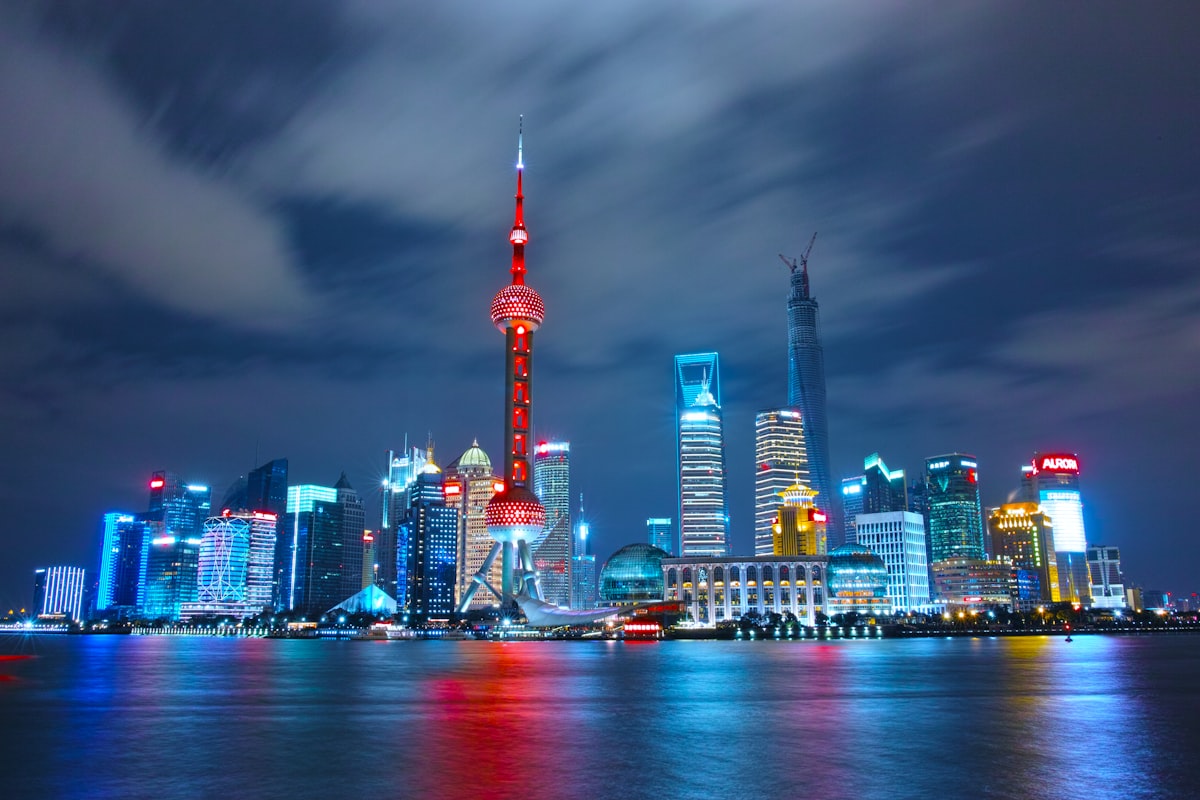
Shanghai
Futuristic skyline on one side, 1920s lane houses on the other. Shanghai is the easiest Chinese city for a first-time visitor — and the hardest to leave.

Chengdu
A city that knows how to live slow. Pandas in the morning, tea houses in the afternoon, and hot pot that numbs your entire face at night.
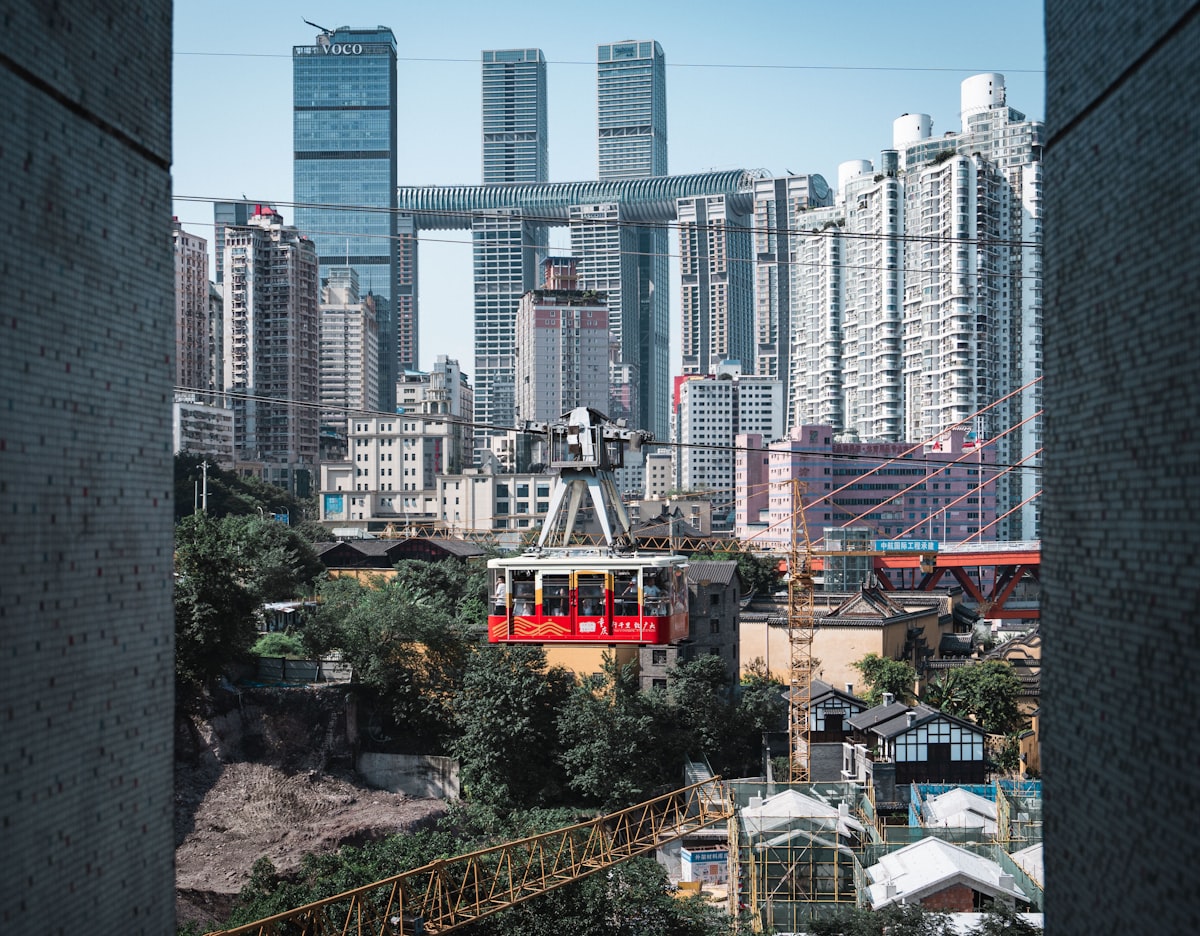
Chongqing
Trains running through buildings, bridges stacked six layers high, and the best hot pot on earth. Chongqing defies every expectation you have about cities.
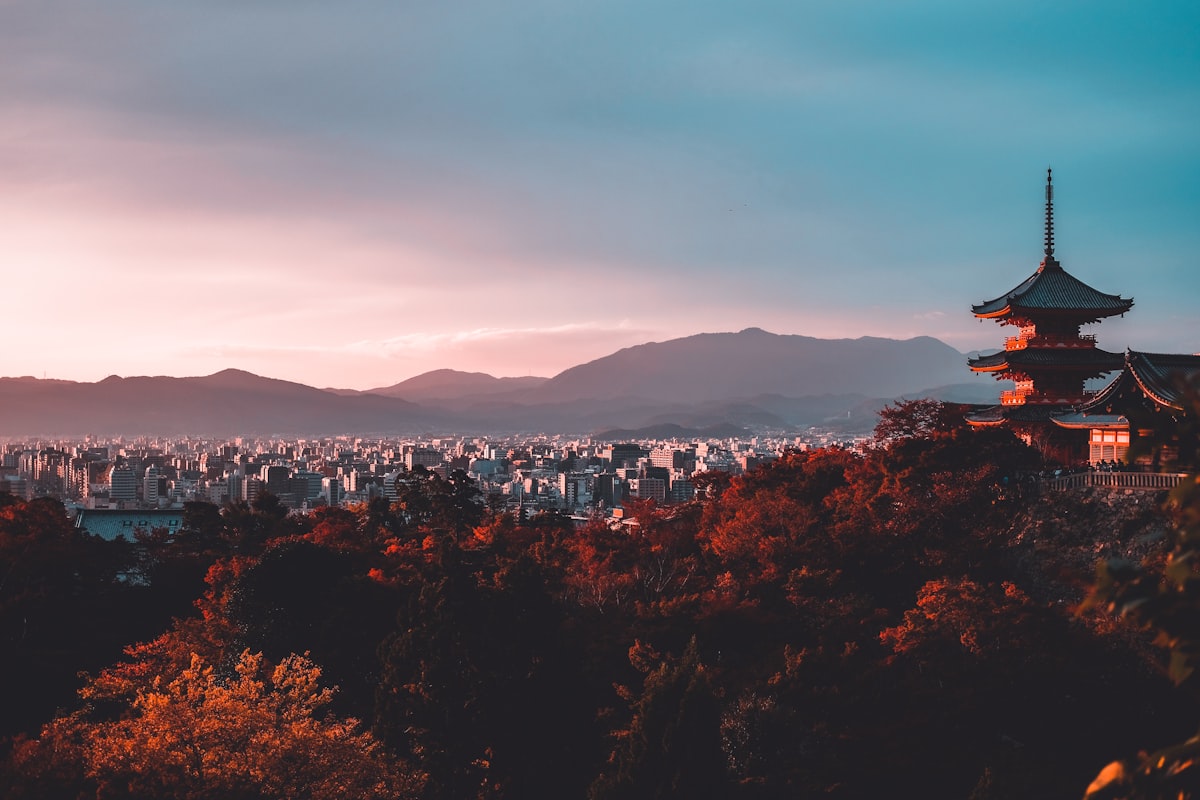
Xi'an
The Terracotta Warriors draw the crowds, but the ancient city walls and Muslim Quarter are why people stay. Tang Dynasty never really ended here.
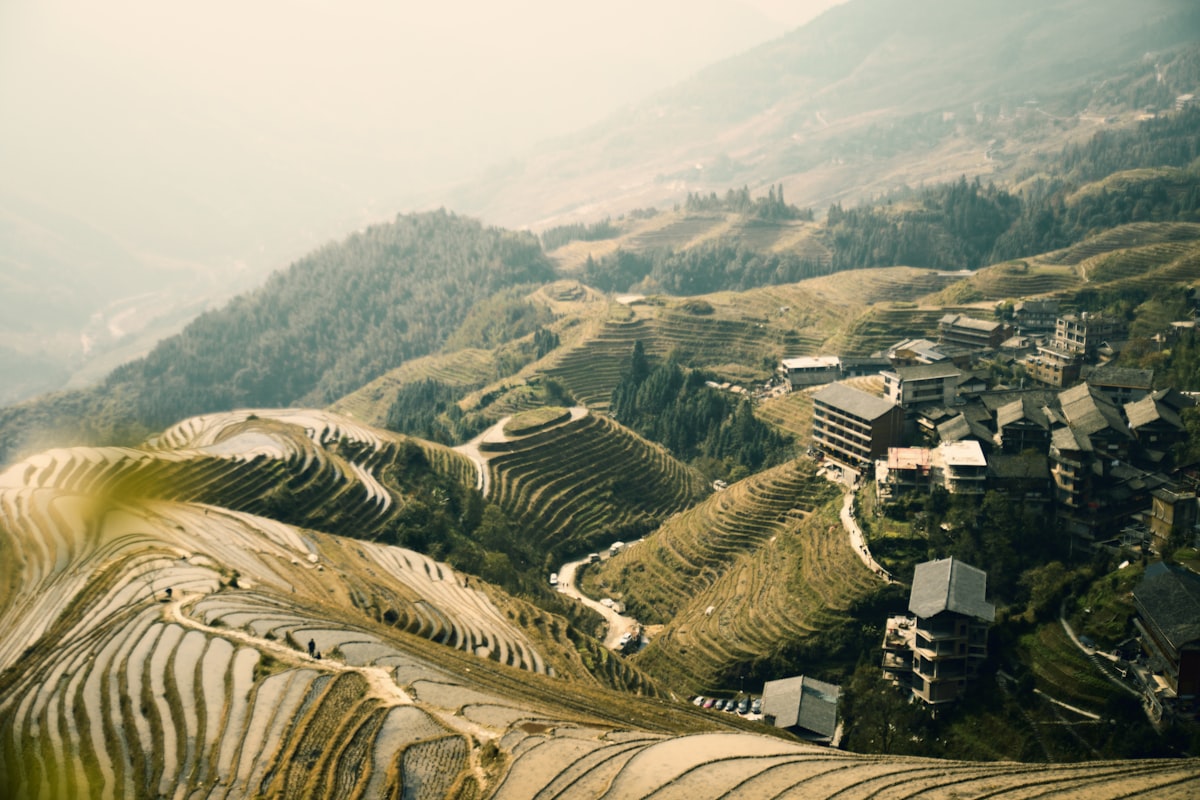
Guilin & Yangshuo
Those misty mountain peaks you see on Chinese paintings — this is where they actually exist. Skip Guilin city and head straight to Yangshuo's karst landscape.

Yunnan
Dali's old town, Lijiang's cobblestone streets, and Shangri-La's Tibetan highlands — Yunnan is a three-week trip packed into one province.

Xinjiang
Alpine lakes at 2,000 meters, Kazakh yurt camps on summer pastures, and the Silk Road still running through Kashgar's Sunday bazaar.

Zhangjiajie
Sandstone pillars piercing through clouds — the landscape that inspired Pandora in Avatar. The world's longest glass bridge and Tianmen Mountain's 99 bends.

Huangshan
China's most iconic mountain — granite peaks above a sea of clouds, hot springs, and nearby Huizhou villages that haven't changed in centuries.
Jiangnan
Hangzhou's West Lake, Suzhou's classical gardens, and Nanjing's tree-lined boulevards — the canal-laced region that defined Chinese ideas of beauty for a thousand years.
Not sure which destination fits your trip? Start with our trip planning guide or browse in-depth guides.