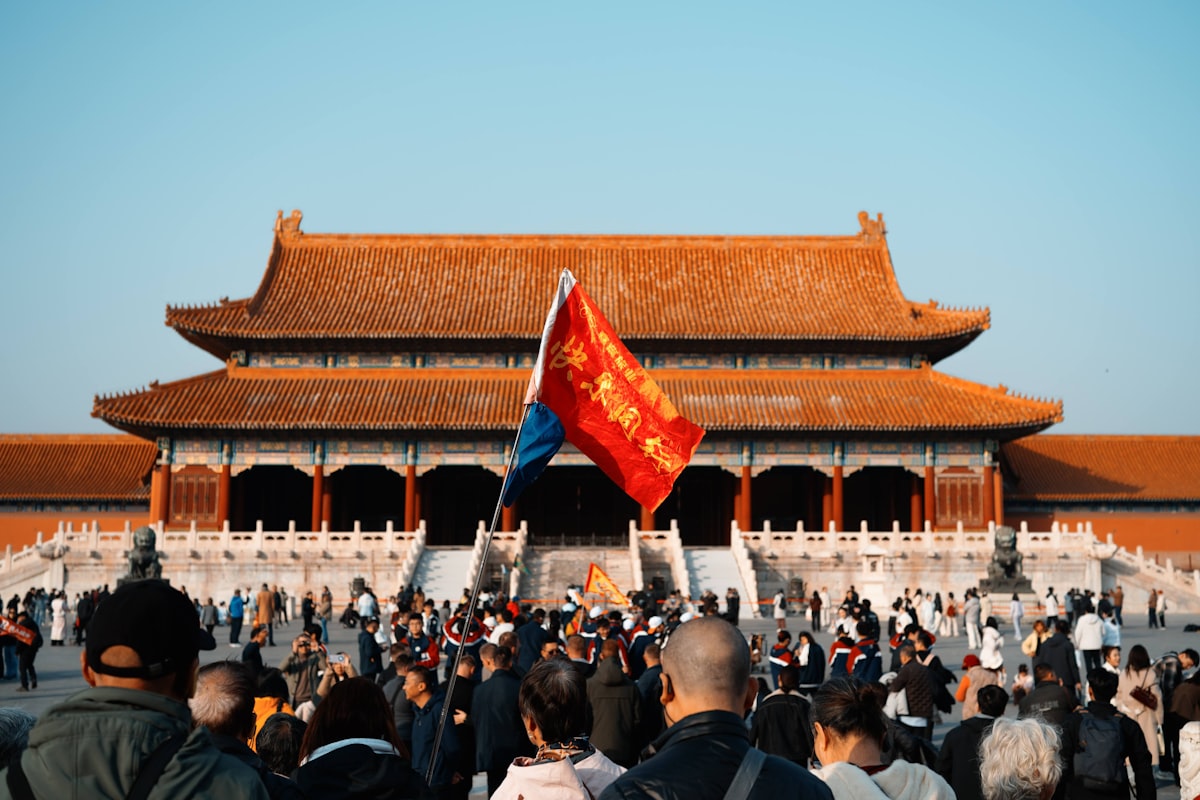
China's Dragon Boat Festival 2026: Where to Watch Races, What to Eat, and How to Join
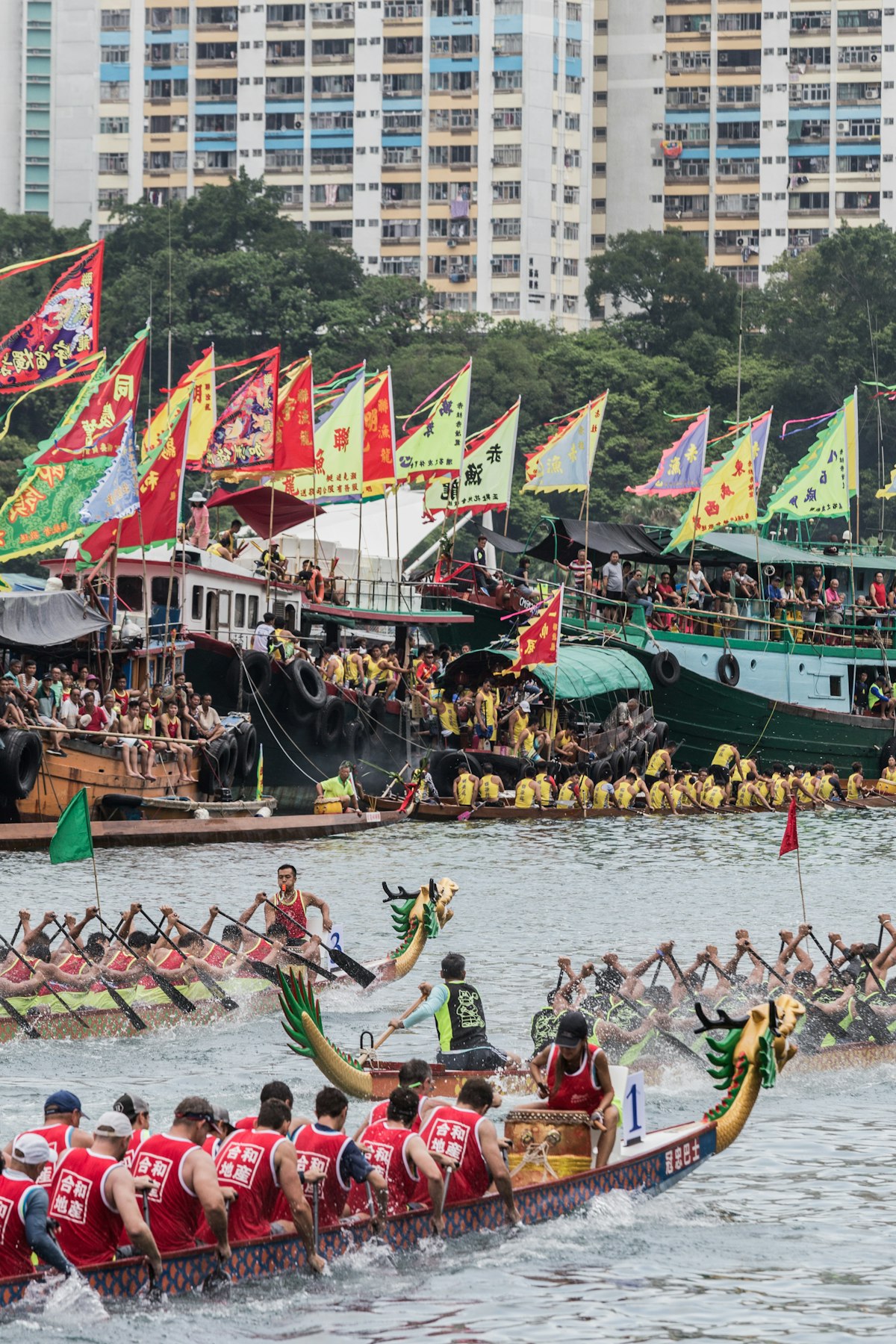
Dragon Boat Festival (端午节, Duānwǔ Jié) is China’s loudest holiday. Not metaphorically. Literally. It centers on boat races where teams paddle at full speed to the pounding of drums, and the drumming rattles your ribs. If you’re near a river on race day, you’ll hear it before you see it.
The festival commemorates Qu Yuan, a poet and minister from the state of Chu during the Warring States period (340–278 BC). Qu Yuan drowned himself in the Miluo River to protest government corruption. According to the story, locals raced out in boats to save him, or to scare fish away from his body, and threw rice into the water so the fish would eat that instead.
That is the origin. The reality 2,300 years later is a holiday that has become something less somber and more communal: watch races, eat zongzi, spend time outside. In 2009, UNESCO added Dragon Boat Festival to its Intangible Cultural Heritage list.
You do not need to know the Qu Yuan story to enjoy the festival. But it adds texture, especially if you find yourself in Yueyang watching races on the Miluo River, the place where the whole tradition began.
2026 dates and what to expect
The 2026 Dragon Boat Festival runs June 19–21, Friday through Sunday. It is a three-day public holiday, one of China’s “small golden weeks.”
What does that mean for travelers? Here is the honest version.
Domestic travel picks up. Chinese families take short trips, and hotels in cities that host major races fill up. But this is not Golden Week. It is not Spring Festival. The crowds are regional, not national. If you are in Guangzhou for the races, the Pearl River embankment will be packed. Beijing, Shanghai, Chengdu? Mostly normal.
The weather in late June is hot and getting hotter. South China is humid and sticky. The Yangtze River delta enters plum rain season (梅雨季, méiyǔ jì) around this time. Expect gray skies and intermittent rain in Shanghai, Hangzhou, and Nanjing. Have indoor backups.
One thing that catches foreign visitors off guard: tourist attractions get busier during the three-day window because locals have time off. But the surge hits the famous scenic spots. If your schedule is flexible, do the blockbuster attractions before or after the holiday weekend. Use the holiday days for festival-specific activities.
Bottom line: Dragon Boat Festival is one of the easier Chinese holidays to navigate as a foreign traveler. The dates are fixed. The events are public and free. And the disruption to regular travel is minor next to Spring Festival, when half the country is in transit.
Best places to watch dragon boat races
Dragon boat races happen in cities and towns across China, but the experience changes dramatically depending on where you go. These are the places worth planning a trip around.
Guangzhou (Guangdong)
Guangzhou is the heavyweight. The Pearl River races pull over 100,000 spectators. Teams from villages across the Pearl River Delta compete. Some of these crews have been training together for years. The rivalries are real and occasionally heated.
The main races happen near Haixinsha in the city center. The atmosphere is electric and sweaty. June in Guangzhou means 33°C with humidity that turns the air solid. Vendors sell cold drinks, handheld fans, and zongzi by the dozen. The drumming is so loud you feel it in your sternum.
This is not a tourist production. It is a genuine local event that happens to be gripping to watch. Get there by 8am for a spot with a view. Bring more water than you think you need. You will drink all of it.
Yueyang (Hunan)
If Guangzhou is the blockbuster, Yueyang is the origin story. The Miluo River is where Qu Yuan drowned, and the races here feel more traditional. Fewer corporate sponsors. More ritual. Yueyang is a smaller city, and the festival has not been smoothed into a commercial product.
The races run on the Miluo. The city also hosts a cultural festival with poetry readings, folk performances, and zongzi-making demonstrations. Less flashy than Guangzhou but more layered.
Get to Yueyang by high-speed rail from Changsha (about 1.5 hours) or Wuhan (about 2 hours). Yueyang Tower, one of China’s “Three Great Towers,” overlooks Dongting Lake and is worth the stop.
Hong Kong
Hong Kong’s Dragon Boat Festival is the most accessible for foreign visitors. Victoria Harbour hosts international races with teams from around the world. Everything is organized, bilingual, and easy to navigate. English announcements, clear signage, designated spectator zones.
The tradeoff: it feels more like a modern sporting event and less like a folk tradition. If you are new to China and want a low-friction introduction, Hong Kong is the right choice. If you want the raw, chaotic energy of a village race, go to Guangzhou or Yueyang.
Hong Kong also has smaller local races at Stanley, Tai O, and Aberdeen. These are less international and more neighborhood-based. They strike a good middle ground between the Victoria Harbour production and a mainland village race.
Hangzhou (Zhejiang)
The Xixi Wetland races are smaller-scale but hard to beat for setting. Boats race through narrow canals between water villages, willow trees, and marshland. It is less about speed and more about the visual: long wooden boats threading through misty waterways.
Xixi National Wetland Park is a 20-minute drive from West Lake. Park entry costs ¥80, and the races are included. Combine with a day exploring Hangzhou’s tea villages and West Lake.
Warning: Hangzhou in late June is plum rain territory. It will probably be drizzling. Some years the races get moved or shortened. Check locally before committing a travel day.
Chengdu (Sichuan)
Chengdu races on the Jin River have a distinctly Sichuan flavor: more casual, more food-focused. The races themselves are smaller than Guangzhou’s. But you are in Chengdu, so the post-race eating is the real event.
The Jin River races run near the city center. Afterwards, walk to a nearby restaurant for huiguorou (twice-cooked pork) or a Sichuan hot pot. Chengdu in June is warm but not yet the furnace of July and August. The city’s teahouse culture gives you somewhere pleasant to retreat to when you are done with the heat.
Guilin and Yangshuo
The Li River races deserve a mention for the setting alone. Dragon boats racing against a backdrop of limestone karst peaks looks exactly as dramatic as it sounds. The races tend to be smaller and more sporadic than Guangzhou’s or Hong Kong’s. Research specific dates closer to the festival. Guilin’s race schedule is not as fixed.
If it lines up with your itinerary, go. Long wooden boats cutting through green water with those Guilin peaks behind them: it is a photographer’s dream.
What to eat: zongzi and beyond
Zongzi (粽子)
Zongzi are the festival food. Sticky rice dumplings wrapped in bamboo or reed leaves, tied with string, steamed or boiled for hours. The leaves infuse the rice with an herbal, tea-like aroma. Subtle but distinct. You notice it most when unwrapping one that is still hot.
The rice inside is glutinous. Dense and chewy, not fluffy. Fillings vary by region, and the differences matter.
Cantonese zongzi (广东粽) are the heavy hitters. Large, savory, and loaded: soy-marinated pork belly, salted duck egg yolk, dried shrimp, shiitake mushrooms, mung beans. One Cantonese zongzi is a full meal. The fat from the pork belly renders during cooking, soaking into the rice and turning it glossy and rich. If you only try one style, make it this one.
Beijing zongzi (北京粽) are sweet and simple. Plain glutinous rice with red bean paste or a few jujubes (Chinese red dates) inside. Smaller than the Cantonese version. Dip in sugar for the full northern experience. These are refreshing when the humidity is getting to you.
Sichuan zongzi (四川粽) add Sichuan peppercorn to the rice for a numbing kick. Some versions use spicy pickled vegetables or la rou (cured pork). If you like Sichuan food, these are the ones to track down.
Shanghai-style zongzi (上海粽) use dark soy sauce in the rice, giving it a deep brown color and savory-sweet flavor. The filling is typically soy-braised pork belly. Simpler than Cantonese, but the soy-marinated rice gives them a distinct character.
Zongzi are everywhere during the festival. Street vendors, supermarket checkout counters, convenience stores, restaurants. They cost ¥5–15 each depending on size and filling. Sold hot or at room temperature, wrapped in their leaves. Unwrap and eat with chopsticks or your hands. Nobody cares.
Other festival foods
Salted duck eggs (咸鸭蛋) are a traditional Dragon Boat food, especially in the south. The yolks are deep orange-red, oily, and intensely savory. Eaten with plain congee. You will also find them tucked inside Cantonese zongzi.
Realgar wine (雄黄酒) is a traditional drink made by soaking realgar (an arsenic sulfide mineral) in rice wine. Historically, people believed it warded off evil spirits and insects. Today it is mostly ceremonial. You will see it referenced in decorations and stories more often than you will be offered a glass. If someone does offer you realgar wine: realgar contains arsenic compounds. A ceremonial sip is traditional. Drinking it by the bottle is not recommended.
Green bean cakes (绿豆糕) are a common festival snack. Small, mold-pressed cakes made from mung bean flour and sugar. Mildly sweet, slightly crumbly. Sold in boxes at bakeries and supermarkets during the festival period.
How to participate as a foreign visitor
Dragon boat racing is a spectator sport, and showing up could not be simpler.
All public races are free. No tickets. No reservations. No connections needed. Walk to the riverbank, find a gap in the crowd, watch. This applies to Guangzhou, Yueyang, Hong Kong, Hangzhou — every city.
Arrive before 8am for a decent viewing spot at the major races. Guangzhou’s Pearl River embankment fills up early and stays full. Bring water, a hat, sunscreen, and a portable fan. You will be standing in June heat for a couple of hours. It sounds worse than it is. Once the races start, you stop noticing the temperature.
If you want to paddle: tourist paddler experiences exist in a few cities. Hong Kong has the most foreigner-friendly setup, with some tour operators offering half-day “paddler for a day” programs during the festival. In mainland cities, these are harder to arrange independently. Ask your hotel concierge or a local tour agency. Some WeChat-based tour groups organize expat paddling teams, but these fill up weeks in advance.
Photography tips: bring a zoom lens if you have one. The best action is often 50–100 meters from shore. A wide-angle lens is useful for crowd shots and atmosphere. Position yourself where the boats turn or approach the finish line. That is where paddles sync up, water sprays, and the drummers go full intensity. Morning light beats midday glare.
What to bring:
- Water. More than you think.
- Sunscreen. Reapply. You will sweat it off.
- A hat with a brim.
- A portable electric fan, sold everywhere in China for ¥20–50.
- Cash and Alipay for street food.
- A power bank. You will be taking photos and videos.
Travel tips for the holiday weekend
Book hotels early in race cities. Guangzhou, Yueyang, and Hangzhou hotels fill up in the week before the festival. Book two to three weeks ahead if you are targeting a specific race destination. Hong Kong has more capacity and handles the surge better. Waterfront hotels still book out, so act early.
Train tickets go on sale 15 days before travel. Popular high-speed routes on June 18 (the day before the holiday) sell out quickly. Book through Trip.com (English interface, accepts foreign cards) or 12306.cn (Chinese only, but the official source).
Expect heat and rain. June in China is hot. Guangzhou and Hong Kong will be 32–35°C with humidity above 80%. The Yangtze Delta (Shanghai, Hangzhou, Nanjing) gets plum rain: overcast, drizzly, occasionally torrential. Pack quick-dry clothing, a compact umbrella, and sandals that can get wet.
Make the holiday part of a bigger trip. Dragon Boat Festival works well as a three-day anchor in a longer itinerary. Fly into Hong Kong for the Victoria Harbour races, then take high-speed rail into Guangdong or up to Shanghai. Or use Guangzhou’s races as a launch point for exploring the Pearl River Delta. Chaining it into a longer trip is better than flying in just for the weekend.
Crowd strategy: tourist attractions will be busier June 19–21. Museums, temples, and famous parks see increased local traffic. If your schedule is flexible, visit the big-name sights before or after the three-day window. Use the holiday days for festival-specific events and restaurants instead.
Other Dragon Boat customs
Beyond the races and the food, Dragon Boat Festival carries a handful of folk traditions. These are “nice to know” cultural details, not must-dos.
Perfume pouches (香囊, xiāng náng) are small cloth sachets filled with traditional Chinese herbs: wormwood, calamus, angelica, clove. People wear them or hang them in homes during the festival. The original purpose was to repel insects and disease. You will see them sold at festival markets and temple fairs. They make a decent souvenir: small, cheap (¥10–30), and they actually smell good.
Hanging mugwort and calamus (艾草菖蒲) on front doors is another tradition. Bundles of these aromatic plants supposedly ward off evil spirits. You will see them on doorframes in older neighborhoods. In modern apartment buildings, less so.
Balancing eggs at noon (立蛋) is a folk belief that eggs can stand upright at exactly noon on Dragon Boat Day. It is a children’s game more than a serious practice. Kids try to balance raw eggs on a flat surface. The idea is that Earth’s gravitational alignment at noon on this specific day makes it possible. It works about as well as it does on any other day.
These customs offer atmosphere rather than obligation. Knowing about them helps you recognize what you are seeing — the sachets at market stalls, the herbs on doorways — without feeling like you need to participate.
For more practical China travel guidance:
- Full 2026 Holiday Calendar — every Chinese public holiday, what to expect, and when to avoid
- First-Time China Guide — visas, payments, internet, and everything you need before you go
- Chinese Food 101 — the eight great cuisines, 50+ dishes, and how to order without speaking Chinese
- High-Speed Rail Guide — how to book train tickets during the holiday rush