China High-Speed Rail Guide: How to Book, Board & Ride Like a Pro (2026)
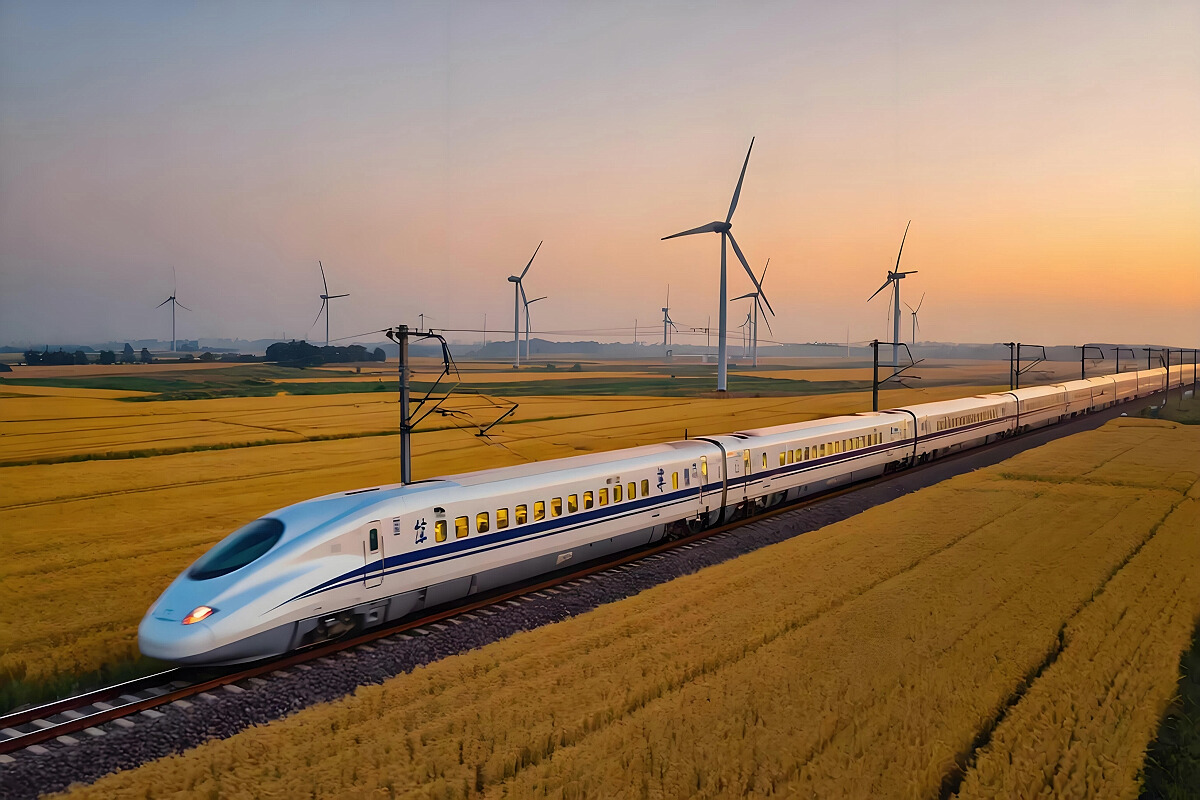
China’s high-speed rail network spans over 50,000 kilometers, connecting nearly every city a traveler would want to visit. But your first ride can feel intimidating. This guide walks you through everything: booking, stations, seat classes, and the mistakes that trip people up.
Why You’ll Love It
| High-Speed Rail | Flying | |
|---|---|---|
| Speed | 350 km/h — Beijing to Shanghai in 4.5 hrs | 2 hrs flight time, but… |
| Arrival lead time | 30–60 minutes | 2 hours minimum |
| City center access | Station is IN the city | Airport is 30–60 km out |
| Security | Fast, laptop stays in bag | Everything out, shoes off |
| Seat comfort | Generous legroom, power sockets at every seat | Cramped, no guarantee of outlets |
| Punctuality | 98.8% on time | Weather-dependent |
| Phone/WiFi | Use anytime, WiFi on most trains | Airplane mode required |
| Luggage | No liquid restrictions, no weight fees | Checked bag fees, liquid limits |
For any trip under 5 hours, the train beats flying. You arrive in the city center, skip airport security theater, and actually enjoy the journey. The network is so extensive that you can reach nearly every major destination — including Zhangjiajie — without setting foot in an airport.
The best part? Once you’ve done it once, the entire system clicks into place.
Two Ways to Book
Option 1: Trip.com (Recommended)
This is the easiest way for foreign travelers.
- Full English interface. Accepts Visa, Mastercard, and other international cards.
- Lets you pick window or aisle seats.
- 24/7 English customer support.
- E-ticket linked to your passport — just scan your passport at the gate.
The trade-off: a small booking fee (a few dollars per ticket). Unless your budget is extremely tight, it’s worth every cent.
Option 2: 12306 (Official, Cheaper, Harder)
12306 is China Railway’s official platform, with an English-language website and app.
- No booking fees. Full access to all trains.
- But: you need passport verification first. This can take 3–5 days, and sometimes requires an in-person visit to a station ticket window.
- Payment with international cards is accepted but inconsistent.
Verdict: If this is your first trip, use Trip.com. Once you’ve done a few journeys and are comfortable with Chinese apps, try 12306.
When Tickets Go on Sale
Tickets go on sale 15 days before departure, usually around 2 PM China time. Popular routes (Beijing–Shanghai, holiday periods) can sell out within minutes.
Critical periods to book the moment tickets drop:
| Holiday | When | Situation |
|---|---|---|
| Chinese New Year | Late Jan–Feb | The entire country is going home. Tickets vanish in seconds. |
| Labor Day | May 1–5 | Peak domestic travel. |
| Golden Week | Oct 1–7 | The busiest travel week of the year. |
If you must travel during these windows, Trip.com offers a waitlist feature — if someone cancels, the system auto-grabs the freed ticket. Success rates are decent.
Seat Classes
Business Class — A First-Class Flight on Rails
This is not a train seat. It’s closer to a business-class airline pod — on the ground, with better views, and zero turbulence.
The seat itself: High-grade leather, electronically adjustable from upright to fully lie-flat (180°), with three preset modes — upright, relaxed recline, and flat bed. Legroom is measured in meters, not inches. Each carriage has only 5 seats (1+1 layout on the best models), separated from the rest of the train by a sliding door for near-total silence.
What’s included:
- Hot meal served to your seat during meal hours (breakfast before 8:00, lunch 11:30–13:00, dinner 17:30–19:00). Expect two meats + vegetables + soup + fruit on flagship routes like Beijing–Shanghai.
- Outside meal hours: a snack pack (6–8 items) plus unlimited tea, coffee, juice, and soft drinks.
- Disposable slippers, blanket, eye mask, earplugs — all yours to keep.
- Reading lamp, service call button, 220V + USB + wireless charging pad.
The lounge: Business Class ticket holders get access to a dedicated VIP lounge at the station — sofas, free snacks and drinks, fast WiFi, clean bathrooms, and priority boarding through an express lane. Staff escort you to the platform ahead of the crowd.
The catch — not all Business Class is equal:
| Train Model | Privacy | Experience |
|---|---|---|
| CR400BF-Z (pod-style) | ⭐⭐⭐⭐⭐ | Private cabin with sliding door. The gold standard. |
| CR400AF-Z (fishbone layout) | ⭐⭐⭐⭐ | Semi-enclosed, but some seats have no window. |
| CRH380A (older “egg shell”) | ⭐⭐ | Open half-bowl, barely more private than First Class. |
If you’re booking specifically for the Business Class experience, look for BF-Z model trains — these run on the flagship Beijing–Shanghai route and other major corridors.
Is it worth it? On a 4+ hour journey, absolutely. Beijing–Shanghai Business Class ranges from ¥1,748 to ¥2,782 (~$240–390) depending on the train model and time slot — pricing has been dynamic since May 2026. Even at the high end, it’s a fraction of what a lie-flat seat costs on a 4-hour flight anywhere else in the world. TikTok travelers who’ve tried it rate it “12/10” and call it better than any train they’ve experienced in any other country.
First Class
| Layout | 2+2 seating |
| Seat | Wider than Second Class, with footrest, more recline |
| Cabin | Quieter, fewer passengers per carriage |
| Price | ~1.6× Second Class (Beijing–Shanghai: |
A solid upgrade for trips over 3 hours. You get noticeably more personal space without the Business Class price tag.
Second Class
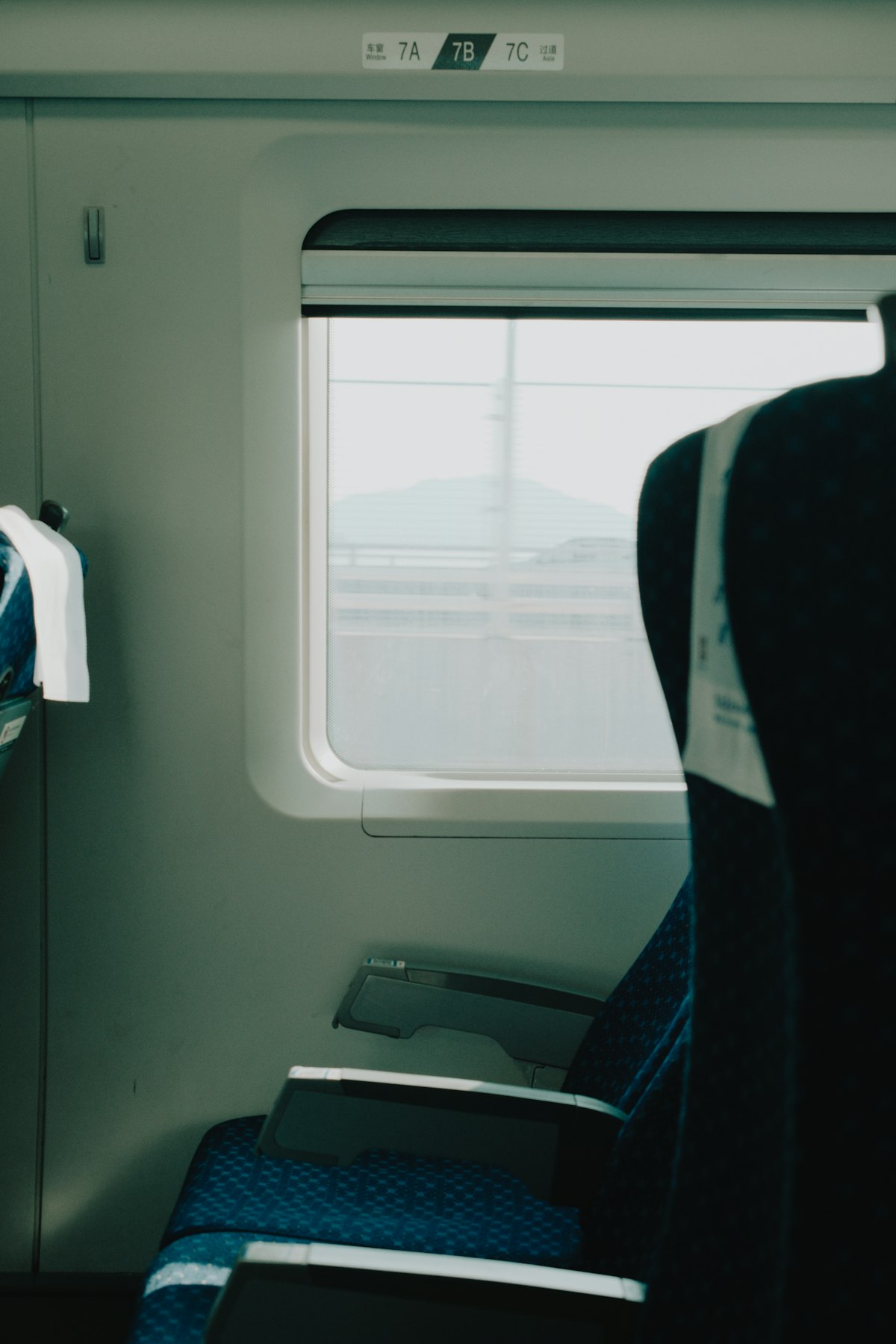
| Layout | 3+2 seating |
| Seat | Comfortable, power sockets, tray table — better than economy flights |
| Price | Beijing–Shanghai: |
Perfectly fine for short to medium journeys. Most travelers are happy here for trips under 3–4 hours.
Seat selection tip: A and F seats are window seats. You can usually specify your preference when booking.
At the Station: Step by Step
Step 1: How Early to Arrive
| Experience Level | Arrive Before |
|---|---|
| First time | 60–90 minutes |
| After a few rides | 30–45 minutes |
Chinese high-speed rail stations are airport-sized. Beijing South, Shanghai Hongqiao — it can take 10 minutes just to walk from the entrance to your gate. Don’t cut it close on your first attempt.
Step 2: Security Check
Airport-style but faster: bags through X-ray, walk through a metal detector. Laptops stay in your bag. Shoes stay on your feet.
If you’re carrying a water bottle, security may ask you to take a sip — standard liquid check.
Step 3: Find Your Gate
Look at the giant LED departure boards in the main hall. Find your train number (e.g. G123) and gate number (e.g. 12A). These boards are bilingual — Chinese and English.
Key words to recognize:
| Chinese | Meaning |
|---|---|
| 车次 | Train number |
| 检票口 | Gate |
| 站台 | Platform |
| 正在检票 | Now boarding |
| 停止检票 | Boarding closed |
Step 4: Boarding — The Most Important Step
Foreign passport holders must use the manual lane (人工通道). The automated gates work with Chinese ID cards, and most don’t accept foreign passports.
The manual lane is usually at the far left or right of the gate area, staffed by an attendant. Hand over your passport. They scan it, and you’re through.
Step 5: Find Your Carriage
Once on the platform, check the overhead signs or ground markings to find where your carriage number will stop. Wait there. The train pulls in, doors open, you get on.
⚠️ Gates close 4–5 minutes before departure. Trains leave exactly on time. They will not wait for you. Don’t cut it close.
Onboard Experience
Your Seat
Every seat has: a 220V Chinese power socket + USB port. Bring a travel adapter just in case. The tray table folds down for a laptop or meal.
Legroom is generous — noticeably better than economy class on a plane. Seats recline, but don’t lean all the way back (same etiquette as flying).
Internet & Connectivity
Many G-series trains offer onboard WiFi, but: it often requires a Chinese phone number or WeChat scan to log in (varies by train), and it’s unreliable. Download your offline maps and entertainment before you board.
Phone signal drops in tunnels, which are frequent on mountain routes. It comes back in a minute or two. Normal.
Food
| Option | Price | Verdict |
|---|---|---|
| Dining car (longer routes) | ¥40–80 | Hot meals, decent |
| Trolley service | ¥15–50 | Snacks, drinks, boxed meals |
| Hot water dispenser (end of every carriage) | Free | Locals bring instant noodles |
You can bring any food and drinks on board — no restrictions.
Hidden feature: On some routes, you can order food delivery through the 12306 app. Pick a restaurant in an upcoming stop city, and they’ll deliver the meal to your seat. Yes, really.
Bathrooms
This is a big upgrade from scenic-area toilets. Train bathrooms have: toilet paper, soap, both Western-style and squat toilets. They’re cleaned frequently and are generally in good condition.
One toilet per carriage — there might be a queue during peak hours.
Atmosphere
Chinese high-speed train carriages are surprisingly quiet — calmer than most European trains. Use headphones for audio. Take calls in the vestibule between carriages. Some routes offer a “quiet carriage” option when booking.
Common Mistakes to Avoid
1. Going to the Wrong Station
Most Chinese cities have multiple train stations. For example:
| City | Main HSR Stations |
|---|---|
| Beijing | Beijing South (for Shanghai), Beijing West (for Guangzhou), Beijing Station (for Northeast) |
| Shanghai | Shanghai Hongqiao (main hub), Shanghai Station |
| Guangzhou | Guangzhou South (main hub) |
Always double-check your departure station when booking. Going to the wrong one isn’t a quick taxi fix — Beijing South to Beijing West takes 40+ minutes by car.
2. Forgetting Your Passport
Your passport IS your ticket. Without it, you can’t enter the station or board the train. Photocopies and digital versions don’t work. Keep your passport on you at all times — never pack it in your checked luggage.
3. Queuing in the Wrong Lane
One more time: foreign passport holders use the manual lane (人工通道). Don’t follow locals into the automated gate line — you’ll wait, fail to scan, and have to start over in the correct queue.
4. Traveling During Holidays Without Booking Ahead
Chinese New Year, Labor Day, Golden Week — tickets on popular routes disappear in seconds. If you’re traveling during these periods, book the moment tickets go on sale. If you miss out, use Trip.com’s waitlist feature as a backup.
5. Luggage Faux Pas
The carry-on weight limit is 20 kg. There’s no strict dimension check like airlines, but if your bag is too large for the overhead rack, use the luggage racks at the end of each carriage. Don’t block the aisle.
Popular Routes for Travelers
| Route | Duration | 2nd Class ~Price |
|---|---|---|
| Beijing → Shanghai | 4.5 hrs | |
| Beijing → Xi’an | 4 hrs | |
| Beijing → Harbin | 5 hrs | |
| Shanghai → Hangzhou | 45 min | |
| Shanghai → Suzhou | 25 min | |
| Guangzhou → Shenzhen | 30 min | |
| Guangzhou → Hong Kong West Kowloon | 1 hr | |
| Chengdu → Chongqing | 1.5 hrs | |
| Chengdu → Xi’an | 3.5 hrs | |
| Changsha → Zhangjiajie West | 2.5 hrs |
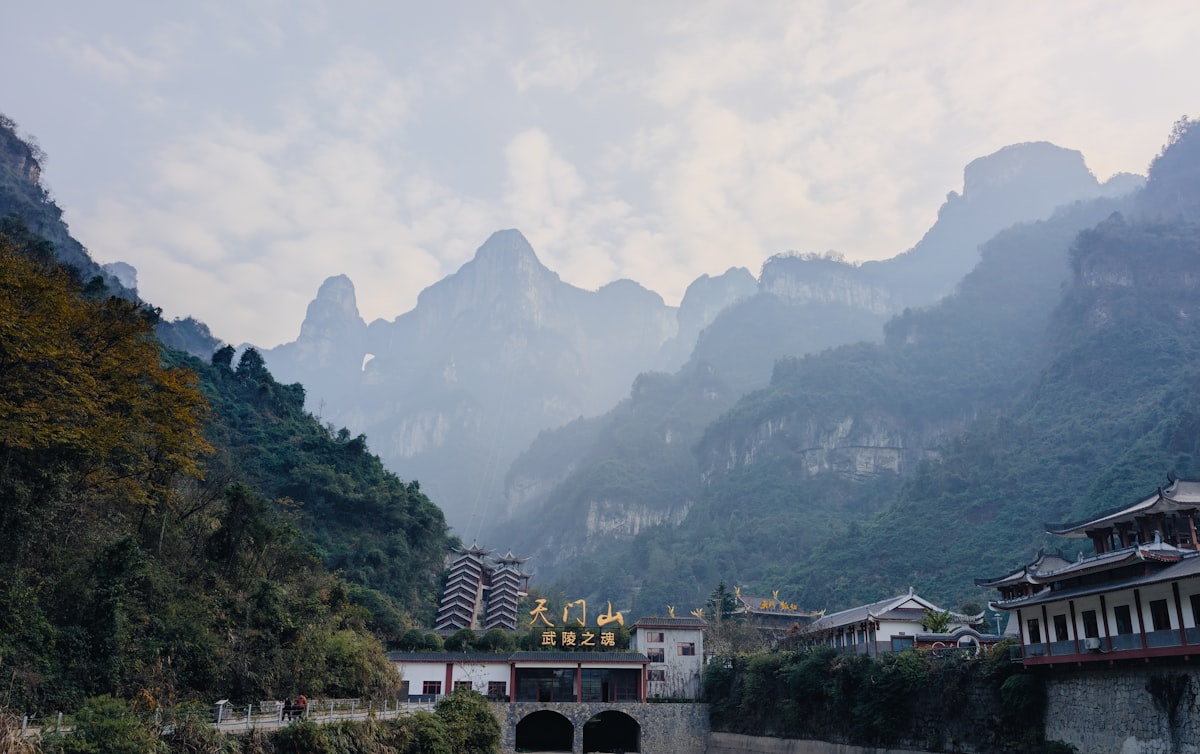
About Zhangjiajie: Zhangjiajie West Station connects to Changsha (2.5 hrs) and Chongqing (4 hrs). If you’re coming from Changsha, the train is more than twice as fast as the bus — and infinitely more comfortable.
Refunds & Changes
Refund Policy
| Time Before Departure | Fee |
|---|---|
| 8+ days | Free |
| 48 hrs – 8 days | 5% of ticket price |
| 24–48 hrs | 10% |
| Less than 24 hrs | 20% |
Refunds close 30 minutes before departure.
Changing Tickets
If you miss your train, you can change once for free to another same-day train on the same route (if seats are available). Changing to a later date: 40% fee applies.
The Bottom Line
China’s rail system feels complicated until the moment it doesn’t. After one journey, you’ll realize it’s one of the most efficient, comfortable, and reliable transport experiences in the world. It might be the single thing you worry least about during your entire trip.
Once you know which station to go to, which gate lane to stand in, and that your passport is your ticket — the rest takes care of itself.
Have questions about a specific route, booking platform, or accessibility? Drop a comment below.