China Road Trip & Motorcycle Guide 2026: Self-Drive Routes, Rental Tips & the G318 on Two Wheels
Two years ago, a British couple shipped their motorcycles to China and spent six months riding from Xinjiang to Tibet to Yunnan. Their videos went viral — not because anything dramatic happened, but because the footage was so staggeringly beautiful that viewers kept asking the same question: “You can do this in China?”
Yes. You can. And 2026 is the best year yet to try.
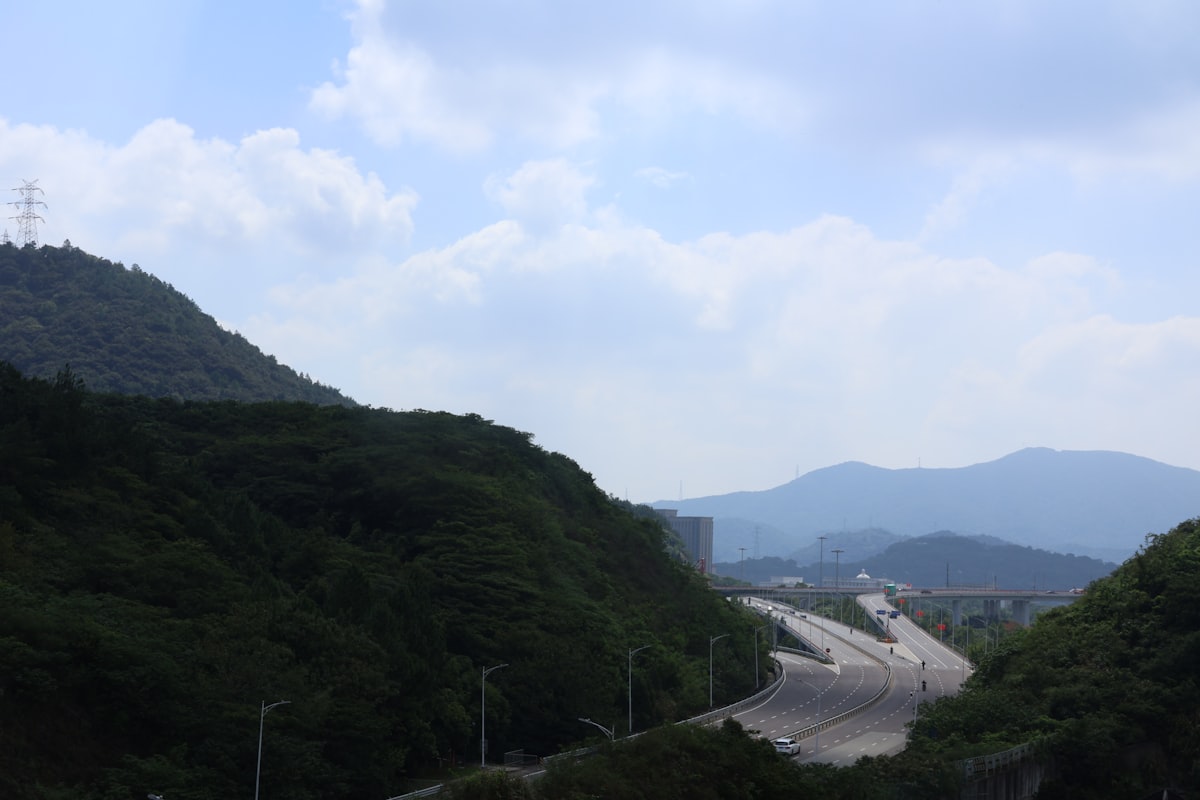
China’s road network is now the world’s largest — smooth highways, mountain passes that rival the Alps, and the legendary G318, a 5,476 km highway from Shanghai to the Nepal border that has become the Chinese equivalent of Route 66. Rental platforms accept foreign licenses. Electric vehicles are everywhere, with charging stations even in remote towns. And the Chinese government is actively promoting self-drive tourism to international visitors.
This guide covers both car road trips and motorcycle touring — from getting a license to the five best routes in the country.
Car vs Motorcycle vs Train: Which Is For You?
| 🚗 Self-Drive | 🏍️ Motorcycle | 🚄 High-Speed Train | |
|---|---|---|---|
| Freedom | Maximum — go anywhere, stop anywhere | Maximum + wind in your face | Fixed routes, fixed times |
| Cost | ¥300–800/day (rental + fuel + tolls) | ¥200–500/day (rental + fuel) | ¥200–600 per long-distance trip |
| License | Provisional Driving Permit (easy) | Chinese motorcycle license OR international permit + Chinese translation (harder) | None needed |
| Best for | Families, groups, remote areas, Hainan, Yunnan, Xinjiang | Solo/duo, mountain roads, G318, social media content | City-to-city, efficiency |
| Challenge | Navigation, traffic, tolls | License barriers, weather, physical demands | None — it’s easy |
The honest take: Self-driving is the best way to see rural China. Trains connect cities perfectly, but the best scenery — mountain passes, grasslands, desert highways, coastal roads — you can only reach with your own wheels. Motorcycle touring is the ultimate version of this, but the license barrier is real (see below).
The License Situation
For Driving a Car
Foreigners can obtain a Provisional Driving Permit (临时驾驶许可) — valid for up to 3 months, extendable. You need:
- A valid driver’s license from your home country
- An official Chinese translation (notarized, or done at the vehicle management office)
- Your passport with a valid Chinese visa
Where to get it: Vehicle Management Offices (车管所) in major cities, or at service counters in major airports (Beijing Capital, Shanghai Pudong, Guangzhou Baiyun, Chengdu Shuangliu). Processing takes 1–2 hours.
The easy way: Rental platforms like Zuzuche (租租车) offer an English interface and can help arrange the provisional permit. Some even handle the translation and permit application before you arrive.
Important: An International Driving Permit (IDP) alone is NOT valid in China. China hasn’t signed the 1949 Geneva Convention. You MUST get the Chinese provisional permit.
For Riding a Motorcycle
This is harder. Your options:
| Option | Feasibility | How |
|---|---|---|
| Chinese motorcycle license (D or E) | ✅ Best | Take the test in China (theoretical exam available in English in some cities). Takes 2–4 weeks. |
| Convert your foreign motorcycle license | ⚠️ Conditional | Requires a valid motorcycle endorsement + official translation + passing the theoretical exam (available in English). Same as above but skips the road test. |
| Tour operator with bike included | ✅ Easiest | Join an organized motorcycle tour. The operator provides bikes, handles paperwork, and guides the route. Available for G318, Yunnan, and Xinjiang. |
| Ride without a proper license | ❌ Do not do this | Police checkpoints in Tibet, Xinjiang, and at provincial borders. You will be stopped. Fines, bike impoundment, possible detention. |
For most foreign travelers: Join an organized motorcycle tour. Operators like Motorcycle China and Sichuan-Tibet Motorcycle Tours provide bikes (BMW, KTM, CFMoto), handle licenses, and run supported tours on G318 and G214. Cost: ¥1,500–3,000/day including bike, fuel, guide, and accommodation.
Rental Platforms & Cars
Platforms
| Platform | Language | Notes |
|---|---|---|
| Zuzuche (租租车) | Chinese + English | Best for foreigners. Accepts foreign licenses. Offers provisional permit assistance. |
| Ctrip/Trip.com (携程租车) | Chinese + English | Large selection, English support via Trip.com |
| Shenzhou (神州租车) | Chinese only | China’s largest rental company. Best prices but no English. |
| Hertz / Avis | English | Available in major cities. Much more expensive. Limited locations. |
Car Choices
| Category | Models | Daily Rate | Best For |
|---|---|---|---|
| Economy | VW Lavida, Toyota Corolla | ¥150–300 | City driving, short trips |
| SUV | Tank 300, Honda CR-V, Hyundai Tucson | ¥300–600 | Mountain roads, Western Sichuan, Xinjiang |
| NEV/EV | Tesla Model 3/Y, BYD Qin/Seal, VW ID.4, Xiaomi SU7 | ¥250–700 | Urban trips, well-charged corridors (Hainan, Guangdong, Yangtze Delta) |
| MPV | Buick GL8 | ¥400–800 | Family trips, groups |
| Luxury | Audi Q3/Q5, BMW 3 Series | ¥600–1,500 | Comfort on long hauls |
EV note: EV rentals nearly doubled in 2026. Charging infrastructure is now excellent on the eastern seaboard, in Hainan, and along major highways. In remote areas (Western Sichuan, Xinjiang, Tibet), stick to petrol. Zuzuche lets you filter for EV/compatible routes.
Rental Process
- Book online (Zuzuche or Trip.com) 1–2 weeks ahead
- Pick up at airport or city location. Bring: passport, home driver’s license, provisional permit, credit card for deposit (¥3,000–10,000 hold)
- Inspect the car — take photos of existing damage. Chinese rental companies are strict about this.
- Return with a full tank. Late returns charged by the hour.
Navigation, Tolls & Fuel
Navigation
- Gaode Maps (高德地图) — The best navigation app in China. English voice guidance available. Works with CarPlay. Pre-download offline maps for remote areas.
- Baidu Maps (百度地图) — Alternative. Chinese-only interface.
- Google Maps — Unreliable in China. Don’t depend on it.
Tolls
China’s highway network is toll-based. Expect ¥0.40–0.60 per kilometer on expressways. Payment via Alipay/WeChat Pay QR code or cash at toll booths. An ETC (Electronic Toll Collection) tag is pre-installed in most rental cars — you pay at return.
Fuel
Unleaded petrol (92, 95, 98 octane) is widely available. Diesel exists but is less common at smaller stations. Payment: Alipay/WeChat at major chains (Sinopec, PetroChina), cash at rural stations. EV charging: TELD (特来电) and State Grid (国家电网) apps for finding chargers. Zuzuche’s EV rentals include charging app setup.
The Routes
Route 1: Hainan Island Loop (海南环岛) — Beginner
China’s Hawaii. A tropical island with smooth highways, coastal views, coconut groves, and zero cold weather. The perfect first self-drive in China.
| Detail | Info |
|---|---|
| Distance | 600 km (full island loop) |
| Duration | 3–5 days |
| Route | Haikou → Wenchang → Qionghai → Wanning → Sanya (south coast) → Dongfang → Haikou |
| Terrain | Flat, excellent highway, well-signed |
| Best season | November–April (dry, 20–28°C) |
| Car | EV perfect — Hainan has the densest charging network in China |
Highlights:
- Wanning — Surf beaches, laid-back vibe, coconut plantations
- Sanya — Resorts, rainforest parks, seafood markets
- Dongfang — Undeveloped west coast, wind farms, fishing villages
- Wenchang — Coconut groves, chicken rice (Hainan’s signature dish)
Honest take: Hainan is easy mode. Good roads, great food, tropical scenery. The most relaxing self-drive in China. If you’ve never driven in China before, start here.
Route 2: Yunnan Highland Loop (云南高原) — Intermediate
Ancient towns, snow mountains, Tibetan monasteries, and the most ethnically diverse province in China — all connected by mountain roads that are exhilarating to drive.
| Detail | Info |
|---|---|
| Distance | 900 km |
| Duration | 5–7 days |
| Route | Kunming → Dali → Lijiang → Tiger Leaping Gorge → Shangri-La → (return via Dali or fly out) |
| Terrain | Mountain highways, well-paved, tunnels, switchbacks above 3,000m |
| Best season | March–June, September–November |
| Car | SUV recommended (mountain roads, occasional rough sections). Avoid EV (charging limited in Shangri-La). |
Highlights:
- Kunming → Dali (4h) — Highland scenery, wind farms on the ridgeline
- Dali — Erhai Lake, Cangshan Mountain, Bai minority culture. Stay 2 nights.
- Dali → Lijiang (2.5h) — G214 highway, increasingly dramatic as you gain altitude
- Lijiang — UNESCO old town, Jade Dragon Snow Mountain
- Lijiang → Shangri-La (3.5h) — Tiger Leaping Gorge detour (essential), Tibetan plateau, Songzanlin Monastery
Driving note: Mountain roads are well-maintained but curvy. Chinese drivers on these routes are assertive. Let them pass. Enjoy the scenery at your own pace.
Route 3: Western Sichuan Loop (川西环线) — Advanced
The most dramatic mountain driving in China outside of Tibet. Glaciers, grasslands, Tibetan villages, and passes over 4,000 meters — all accessible from Chengdu in a 5–7 day loop.
| Detail | Info |
|---|---|
| Distance | 1,000 km |
| Duration | 5–7 days |
| Route | Chengdu → Kangding → Xinduqiao → Tagong → Danba → Siguniang Mountain → Chengdu |
| Terrain | High mountain passes (4,200m+), excellent paved roads, some gravel sections |
| Best season | May–June (wildflowers), October (autumn colors) |
| Car | SUV essential. Tank 300 or similar. 4WD not required but useful. Petrol only — no EV infrastructure. |
Highlights:
- Kangding — Gateway to the Tibetan plateau. Hot springs. First taste of Tibetan culture.
- Xinduqiao — “Photographer’s Corridor.” Golden poplar trees in autumn, snow peaks in every direction.
- Tagong Grasslands — Nomad camps, yaks, Lhagang Monastery, views of Mount Yala.
- Danba — Tibetan watchtowers and villages perched on cliffs. Jarong Tibetan culture distinct from central Tibet.
- Siguniang Mountain (Four Sisters) — Four peaks over 5,000m. Alpine lakes, hiking trails, clean air.
Altitude warning: This route spends days above 3,500m. Acclimatize in Kangding (2,500m) for one night. Know AMS symptoms. Carry oxygen cans (¥30 from any pharmacy in Kangding).
The driving experience: Empty roads through Tibetan grasslands. Prayer flags at every pass. Yaks crossing the highway. Snow peaks appearing around every bend. It feels like driving through a National Geographic documentary.
Route 4: Gansu Silk Road Corridor (甘肃丝路走廊) — Intermediate
Desert forts, rainbow mountains, Buddhist cave art, and the westernmost reach of the Great Wall — all along a single, well-maintained highway corridor through China’s wild northwest.
| Detail | Info |
|---|---|
| Distance | 1,100 km |
| Duration | 7–10 days |
| Route | Lanzhou → Zhangye → Jiayuguan → Dunhuang |
| Terrain | Mostly flat, straight desert highways. Well-paved. |
| Best season | May–June, September–October |
| Car | Any car works. SUV for comfort. EV limited after Zhangye — petrol recommended. |
Highlights:
- Lanzhou — Beef noodles at the source. Yellow River promenade.
- Zhangye — The Danxia Rainbow Mountains. Unreal — colored rock layers like streaked paint.
- Jiayuguan — The Great Wall’s westernmost fortress. Overhanging Great Wall section. First Bend of the Great Wall.
- Dunhuang — Mogao Caves (book 2 weeks ahead). Mingsha Sand Dunes. Camel at sunset. Crescent Lake oasis.
The driving experience: Long, straight roads across the Hexi Corridor — the same route Silk Road caravans traveled for 1,500 years. To your south: the Qilian Mountains, snow-capped year-round. To your north: the Gobi Desert. The landscape is vast, empty, and hypnotic. Podcasts recommended.
Route 5: Northern Xinjiang Grand Loop (北疆大环线) — Advanced
The most spectacular road trip in China. Turquoise lakes, alpine meadows, nomadic Kazakh herders, and the Altai Mountains — this is the China that looks like Switzerland, Kazakhstan, and Mongolia had a love child.
| Detail | Info |
|---|---|
| Distance | 2,000 km |
| Duration | 10–14 days |
| Route | Urumqi → Tianchi → Fuyun → Kanas → Hemu → Karamay → Sayram Lake → Urumqi |
| Terrain | Mountain highways, well-paved. Some gravel roads in Kanas/Hemu area. |
| Best season | June–September (alpine flowers, accessible passes). Late September–October (autumn gold). |
| Car | SUV essential. 4WD useful for Kanas/Hemu. Petrol only. |
Highlights:
- Tianchi (Heavenly Lake) — Alpine lake below Bogda Peak (5,445m). 1.5h from Urumqi.
- Kanas Lake — Turquoise water, forested mountains, the “Lake Monster” legend. Switzerland-level scenery.
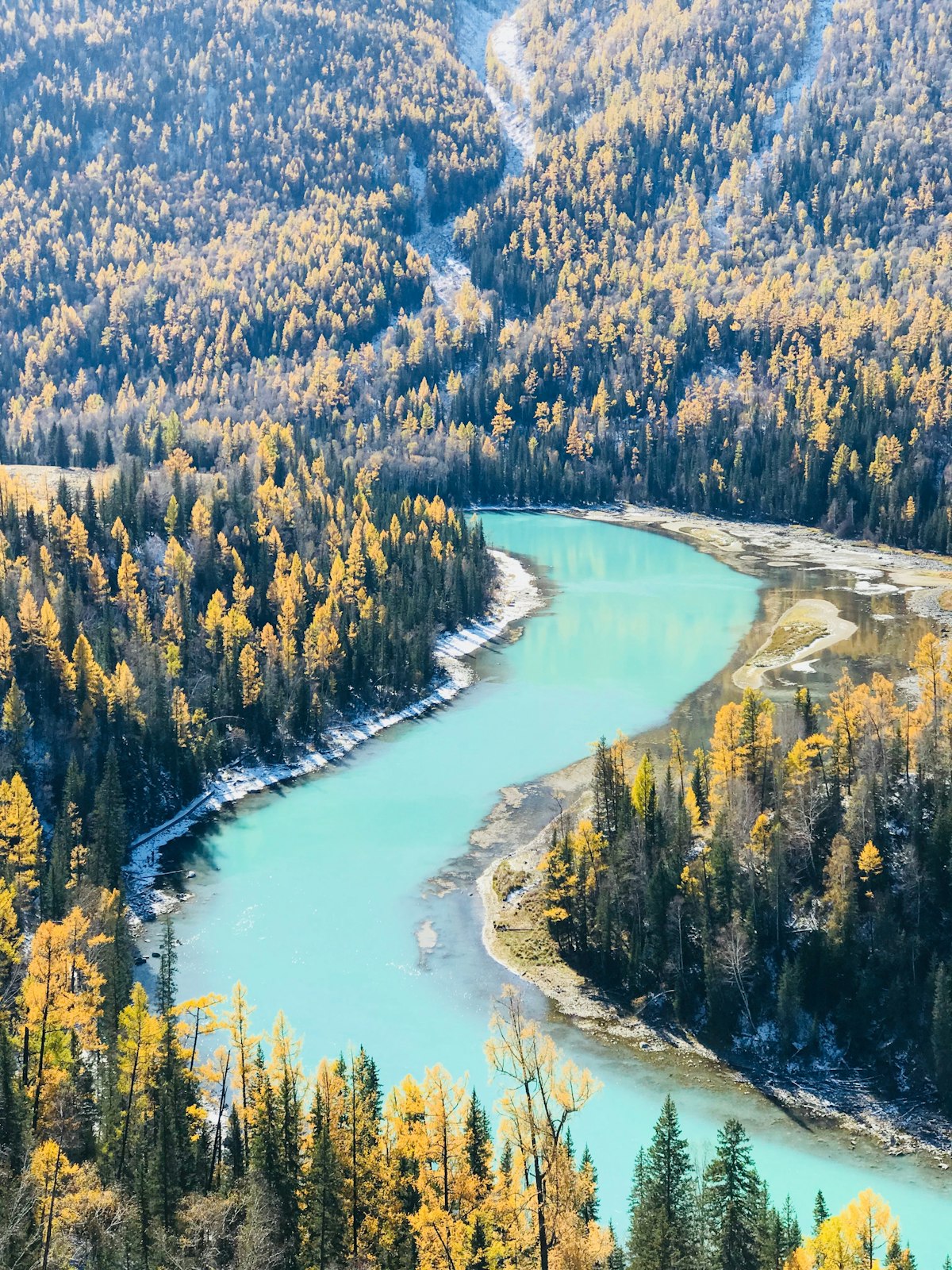
- Hemu Village — Remote Tuvan and Kazakh village. Wooden cabins. Horse trekking. The most beautiful village in China at sunrise in autumn.
- Karamay Ghost City — Wind-eroded rock formations in the desert. Surreal.
- Sayram Lake — The “last tear of the Atlantic” — a massive alpine lake at 2,000m, brilliant blue, surrounded by grasslands.
Driving note: Distances in Xinjiang are vast. Fuel up when you see a station — the next one may be 200 km away. Police checkpoints are frequent. Have your passport and provisional permit ready. Smile. Say “你好” (nǐ hǎo). They’re checking paperwork, not interrogating you.
License note for Xinjiang: Police checkpoints check your driver’s license, passport, and provisional driving permit. Make sure everything is in order. Foreign-plated vehicles need additional permits — rent locally.
Motorcycle Touring: The G318 & Beyond
Why Motorcycle China?
British YouTubers, German overlanders, Malaysian riding clubs — foreign motorcyclists are discovering China in droves, and their content is blowing up on social media. The G318 from Chengdu to Lhasa has become a bucket-list ride, and the G214 through Yunnan isn’t far behind.
The appeal:
- Roads that rival the world’s best riding — Alpine switchbacks, Himalayan passes, desert straights
- A motorcycle culture that’s enthusiastic and welcoming to foreign riders
- Content that performs massively on social media (first-person POV through Chinese mountain roads)
- The counter-narrative appeal — “You can do THIS in China?” drives engagement
The G318: China’s Route 66
| Detail | Info |
|---|---|
| Full route | Shanghai → Lhasa → Zhangmu (Nepal border): 5,476 km |
| The section everyone rides | Chengdu → Lhasa: 2,150 km |
| Duration | 12–15 days (motorcycle) |
| Passes above 4,000m | 14 |
| Highest point | Dongda Pass: 5,130m |
| Best season | May–June, September–October |
| Bike | Tour operators provide BMW GS, KTM Adventure, CFMoto 800MT |
What the ride is like: You start in Chengdu at 500m. By Day 2 you’re climbing your first 4,000m pass. Days are 150–250 km on paved but demanding mountain roads. The “72 Turns” at Nujiang Gorge is the footage everyone posts — 72 switchbacks descending into a canyon. The landscapes get progressively more Tibetan: grasslands, yaks, prayer flags, snow peaks, monasteries. By the time you reach Lhasa, you’ve crossed a continent’s worth of geography.
Join a tour: For 90% of foreign riders, this is the only practical option. Operators provide the bike, handle your license paperwork, book accommodation, and run a support vehicle with luggage and emergency oxygen. Cost: ¥18,000–35,000 for a 12–15 day supported tour (~$2,500–4,800 USD).
The G214: Yunnan Tea Horse Road
A shorter, warmer, culturally richer alternative to the G318. Runs from Dali to Shangri-La and beyond into Tibet.
| Detail | Info |
|---|---|
| Route | Dali → Lijiang → Shangri-La → Deqin → (optionally into Tibet) |
| Duration | 4–7 days |
| Best season | April–October |
| Vibe | Ancient towns, tea plantations, Meili Snow Mountain at sunrise, Tibetan monasteries |
Why ride this: Less extreme altitude than G318, better food, ancient towns between riding days, and the sight of Meili Snow Mountain (6,740m) at dawn from Feilai Temple. It’s the best “first motorcycle tour in China” route.
Practical Tips
What to Pack for a Road Trip
| Essential | Why |
|---|---|
| Passport + driving permit | Checked at police checkpoints, rental pickup, and hotels |
| Gaode Maps offline download | Cell signal disappears in mountains and desert |
| Power bank + car charger | Your phone is your navigation. It cannot die. |
| Cash (¥1,000+) | Toll booths and rural gas stations may not take foreign cards |
| Snacks + water | Distances in Xinjiang and Gansu are vast. Service areas are frequent on eastern highways, sparse out west. |
| Warm layer + windbreaker | Mountain passes are cold even in summer |
| Sunglasses + sunscreen | Plateau sun at altitude is brutal |
| Tissues + hand sanitizer | Rural bathrooms: squat toilets, no paper, no soap |
Police Checkpoints
In Xinjiang, Tibet, and Western Sichuan, police checkpoints are routine. Procedure:
- Pull over. Turn off engine.
- Hand over passport and driving permit.
- Answer basic questions (where from, where to, how long).
- Smile, say thank you, drive on.
They’re checking paperwork, not looking for trouble. Be patient. Be polite. It takes 2–5 minutes.
Parking
- In cities: Underground garages at malls and hotels. Street parking is rare and often restricted.
- In towns/villages: Park on the roadside or in designated lots. Overnight: ¥10–30.
- At scenic areas: Large parking lots. ¥10–20 for the day.
Budget Estimates
Self-Drive (Per Day, Two People Sharing)
| Item | Budget (¥) | Mid-Range (¥) |
|---|---|---|
| Car rental | 200 | 500 |
| Fuel / charging | 150 | 250 |
| Tolls | 100 | 150 |
| Accommodation | 200 | 500 |
| Food (2 people) | 150 | 400 |
| Total per day | ~800 | ~1,800 |
Motorcycle Tour (Per Person, Supported Tour)
| Duration | Route | Cost |
|---|---|---|
| 4–7 days | G214 (Yunnan) | ¥8,000–15,000 |
| 12–15 days | G318 (Chengdu–Lhasa) | ¥18,000–35,000 |
| 20+ days | Full Xinjiang–Tibet traverse | ¥30,000–50,000 |
Final Honest Take
The first time I drove Western Sichuan — Kangding to Tagong, climbing above 4,000 meters with snow peaks on both sides and a herd of yaks blocking the road — I pulled over and just stood there for ten minutes, unable to stop grinning. The road was empty. The sky was impossibly blue. A Tibetan herder rode past on a horse and waved.
That’s what self-driving in China gives you. Access to moments the train window can’t reach.
The bureaucracy is real. The license process is annoying. The police checkpoints are frequent. The drivers can be unpredictable. But the roads — the actual roads — are some of the best driving roads on Earth, through landscapes that shift from desert to grassland to glacier in a single day.
Rent the SUV. Download Gaode Maps. Bring a buddy to split the driving. And go see the China that doesn’t fit on a postcard.
Have questions about driving in China? Want help planning a specific route or sorting out the license? Reach out — I’ve navigated the bureaucracy and I’m happy to walk you through it.