Dali & Lijiang: Ancient Towns, Erhai Lake & Jade Dragon Snow Mountain (2026)
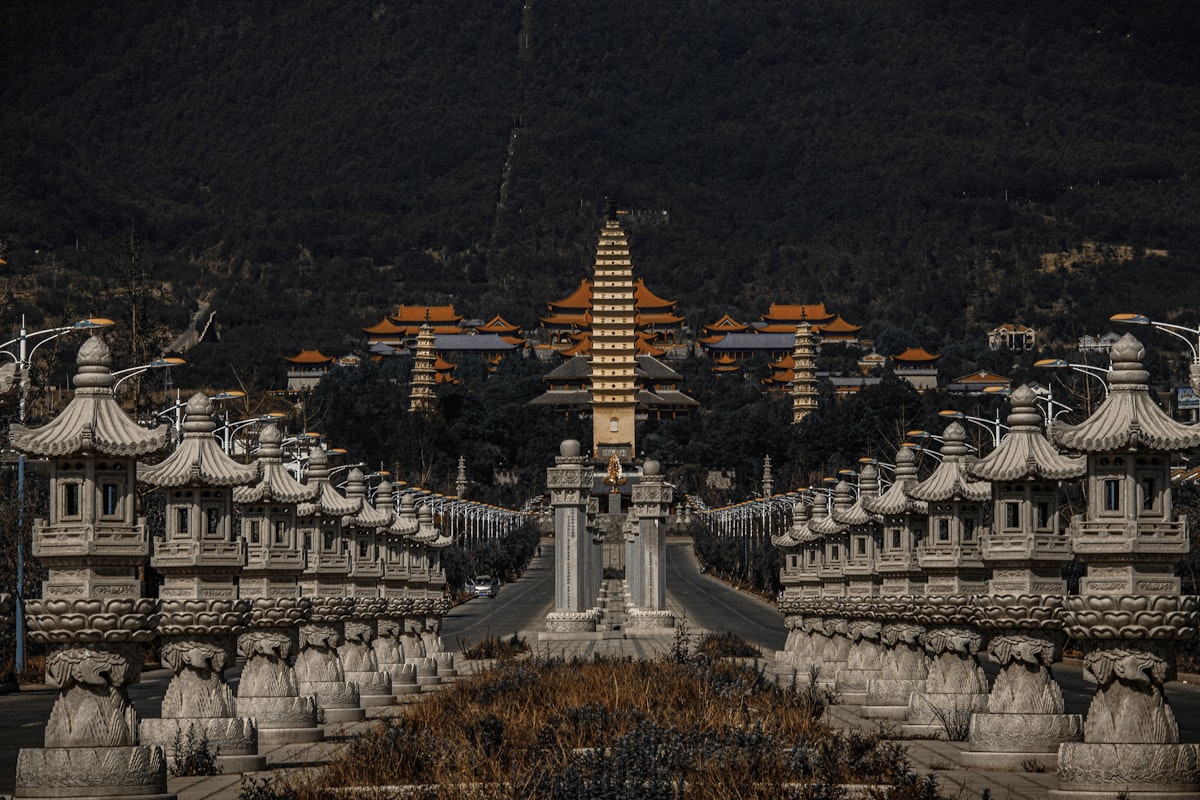
This is the second stop in our Yunnan Golden Route guide. Kunming is your entry point. Dali and Lijiang are the heart. Tiger Leaping Gorge and Shangri-La — covered in Article 3 — are the grand finale.
Dali and Lijiang are Yunnan’s poster children. The ancient towns that dominate Instagram, Trip.com, and every Yunnan brochure ever printed. They’re also the most controversial: over-touristed? Disneyfied? Or still genuinely magical?
The answer: it depends entirely on how you visit. Spend your day on Foreigner Street buying overpriced trinkets and you’ll leave disappointed. Cycle Erhai’s back roads at sunrise, find the Bai village where indigo cloth hangs from balconies, walk Lijiang’s cobblestone alleys before the day-trippers arrive — and you’ll understand why people have been coming here for a thousand years.
This guide covers both towns honestly: what’s worth it, what to skip, and how to find the real experiences one street back from the souvenir shops. Both towns are connected by a 1.5-hour high-speed train, making them an easy two-stop journey.
If you’re new to Chinese apps and connectivity, read our China Digital Survival Guide before you go. Many countries now qualify for visa-free entry — check our visa-free guide to see if yours does.
Part 1: Dali (大理)
Dali Old Town — The Honest Reality
Dali’s Old Town was the backpacker capital of China in the 1990s and early 2000s — a hippie escape with ¥20 guesthouses, guitar circles, and a genuinely alternative vibe. That Dali is mostly gone.
What Dali is in 2026:
The main pedestrian streets — Foreigner Street (护国路) and Renmin Road (人民路) — are commercialized. You’ll find souvenir shops, drum circles, “ethnic” photo studios where tourists dress up in rented costumes, and bars with English names. It’s a scene, and not always a subtle one.
But here’s the difference between Dali and Lijiang: Dali is still relaxed. The mountains are visible from town. Erhai Lake is a ten-minute bike ride away. The sidewalks have cafes with actual locals reading books, not just tour groups following flags. The commercialization here is less aggressive — less of the hard-sell, more of a lazy “buy if you want” energy.
The side streets and alleys within the old walls — that’s where the real Dali lives. Courtyard cafes with climbing bougainvillea. Independent bookshops with cats sleeping on the shelves. Small guesthouses with garden courtyards where you hear water flowing over stones. Artists’ studios tucked behind unmarked doors. These alleys are what make Dali worth visiting, and most day-trippers never find them.
What to do in Dali Old Town:
| Spot | What It Is | Price | Verdict |
|---|---|---|---|
| Wuhua Tower (五华楼) | Historic tower, free rooftop climb | Free | Best view of old town tile roofs. Sunset is prime time. |
| South Gate (南门) | Iconic city gate, walkable wall section | Free | Photo spot. Wall walk gives perspective on old town layout. |
| Foreigner Street (护国路) | Main tourist drag | Free | Worth a walk for people-watching. Overpriced for food — walk 10 min in any direction for better meals at half price. |
| North Gate Market (北门菜市场) | Real local market | Free | Bai grandmas selling produce, spice vendors, fresh tofu. Go 7-9 AM. |
| Catholic Church (天主教堂) | Bai-style Catholic church | Free | Surreal fusion — traditional Chinese eaves and Christian iconography. Hidden off Renmin Road. |
| Renmin Road at night | Evening stroll street | Free | After day-trippers leave, the street has a mellow bar-and-cafe scene. |
Verdict: Dali Old Town is worth a half-day. More if you’re staying in a courtyard guesthouse within the walls — the atmosphere at night when the crowds thin out is genuinely lovely. Less if you’re on a tight schedule — in that case, prioritize Erhai Lake and the villages.
Erhai Lake (洱海) — The #1 Dali Experience
Cycling around Erhai Lake is the single best thing you can do in Dali. The full loop is about 120 km — too much for most people. Instead, cycle sections. The infrastructure along the west shore is excellent: paved paths, dedicated bike lanes, viewpoints with benches. This is the result of a massive government cleanup and renovation (2017-2019) that displaced many lakeside guesthouses but created genuinely exceptional cycling infrastructure.
Best Erhai Cycling Sections:
| Section | Distance | Difficulty | Highlight |
|---|---|---|---|
| Dali Old Town → Caicun Wharf (才村) | 5 km | Easy, flat | Starting point. Dedicated lakeside path begins here. |
| Caicun → Xizhou (喜洲) | ~20 km | Easy, mostly flat | The best section. S-bend photo spot, Bai villages, rice fields in summer. |
| Xizhou → Shuanglang (双廊) | ~40 km | Moderate, some hills | Most scenic stretch. Long. E-bike recommended. |
| Full loop | ~120 km | Challenging | Full day minimum. Only for committed cyclists. |
E-bike rental: ¥50-80/day ($7-11). Regular bike: ¥20-40/day ($3-6). Most guesthouses can arrange rentals. Check the brakes before you set off — some rental bikes have seen better days. Ask for a newer model if the battery indicator looks worn. Download offline maps in Amap (高德地图) before heading out — cell service gets patchy along the lake’s rural stretches.
The S-Bend (S弯): A lakeside road that curves photogenically with Cangshan Mountain in the background. It’s genuinely beautiful. It’s also now mobbed with photo-seekers, selfie sticks, and vendors selling balloon bouquets. Go before 9 AM or accept the crowds. The section just beyond the S-bend — continuing north toward Xizhou — is quieter and arguably more beautiful, with fewer people and the same mountain-lake panorama.
Shuanglang (双廊): The lakeside town on the northeast shore. It was a sleepy fishing village, then got “discovered,” then experienced a construction boom, then a crackdown on illegal lakeside buildings. In 2026 it’s a mixed bag — genuinely beautiful setting with the lake on one side and mountains on the other, but heavily developed with hotels and seafood restaurants. Worth a stop for lunch if you’re cycling that far. Not worth a dedicated trip from Dali Old Town on its own.
Erhai water quality: After years of pollution and the massive cleanup, the lake is noticeably cleaner. The water looks blue rather than green. Swimming is still not recommended (and mostly not allowed), but the shoreline paths are well maintained, and the overall experience is much improved from a decade ago.
Cangshan Mountain (苍山)
The mountain range that towers behind Dali, with peaks reaching about 4,100 meters. Three cable car options serve different heights:
| Cable Car | Elevation | Price (¥) | Price ($) | Notes |
|---|---|---|---|---|
| Gantong (感通索道) | 2,600m | ¥80 | $11 | Shortest ride. Good for casual visitors. Leads to Qingbi Stream and mountain temples. |
| Zhonghe (中和索道) | ~2,600m | ¥80 | $11 | Open chairlift — scenic, more exposed. Access to the Cloud Traveler’s Path. |
| Ximatan (洗马潭索道) | 3,920m | ¥300 | $42 | The big one. Near-summit access. Often closed in high winds and winter. |
The Cloud Traveler’s Path (玉带路): A flat, paved 11 km trail running horizontally along the mountainside at about 2,600 meters. Connects the Gantong and Zhonghe cable cars, so you can ride up one and down the other. Spectacular views of Erhai Lake far below, Cangshan peaks above. This is the best value Cangshan experience — less crowded, cheaper, and you get above-the-clouds perspective without the altitude stress of the summit cable car.
Verdict: If you’re going to Jade Dragon Snow Mountain in Lijiang, skip Cangshan’s expensive summit cable car. Do the Cloud Traveler’s Path instead — better value and a different enough experience to complement, not duplicate, what you’ll get in Lijiang.
Xizhou (喜洲) & Zhoucheng (周城) — Bai Ethnic Villages
These two villages, easily combined into a day trip from Dali, are the best cultural experiences in the area.
Xizhou (喜洲): 18 km north of Dali Old Town. A well-preserved Bai minority town with distinctive architecture — whitewashed walls, grey tile roofs, elaborate gate carvings, courtyard homes with central gardens. Unlike Dali Old Town, people actually live here.
Key experiences in Xizhou:
| Experience | Details | Price |
|---|---|---|
| Xizhou Baba (喜洲粑粑) | Savory or sweet baked flatbread. The savory version — minced pork, scallions, spices — is incredible. Find the old ladies baking them in clay ovens near the main square. | ¥10-15 ($1.50-2) |
| Yan Family Compound (严家大院) | Wealthy Bai merchant’s mansion, early 1900s. Multiple courtyards, intricate wood carvings. Shows how Bai architecture blends Chinese courtyard design with local motifs. | ¥30 ($4) |
| Rice field photo spot | In summer and early autumn, the fields behind Xizhou with Cangshan in the background are a photographer’s dream. The “yellow wall” photo spot is famous for a reason. | Free |
Zhoucheng (周城): 5 km north of Xizhou. The tie-dye (扎染) village. Bai people have been making indigo-dyed textiles here for centuries. Walk the streets and you’ll see indigo cloth hanging to dry from every balcony — sheets of deep blue patterned with white geometric designs, flapping in the mountain breeze.
- Tie-dye workshop: ¥50-100 ($7-14) for a hands-on session. You learn the folding, binding, and indigo-dyeing process from a Bai artisan. You keep your piece. The smell of the indigo vats — earthy, fermented, a little sour — is memorable.
- Buying tie-dye: Tablecloths ¥50-200 ($7-28), scarves ¥30-100 ($4-14), wall hangings ¥100-500 ($14-69). Bargain politely — 10-20% off asking price is standard and expected. Don’t haggle aggressively over ¥10.
- Village atmosphere: Zhoucheng is less touristy than Xizhou. Go on a weekday morning for the most authentic experience. You’ll see women tying cloth on doorsteps, indigo vats bubbling in courtyards, finished pieces drying on rooftops.
Getting there: E-bike from Dali Old Town (45 min to Xizhou via the Erhai west shore path — scenic and flat). Local bus from Dali’s north bus station (¥8-10). DiDi (¥40-60 / $6-8). A combined Xizhou + Zhoucheng day trip by e-bike, with lunch in Xizhou, is the perfect Dali day.
Dali Food
| Dish | Description | Price |
|---|---|---|
| Grilled Milk Fan (烤乳扇) | Bai specialty. Milk curd sheet grilled until chewy-smoky, often drizzled with rose sugar. Street food. Acquired taste — tangy, chewy, slightly funky. You’ll either love it or take one bite and hand the rest to your travel partner. | ¥10-20 ($1.50-3) |
| Xizhou Baba (喜洲粑粑) | Savory or sweet baked flatbread. Savory version (pork, scallion, spice) is the one to get. | ¥10-15 ($1.50-2) |
| Er Kuai (饵块) | Grilled rice cake rolled and stuffed. Staple Yunnan street food — find it at any morning market. | ¥8-15 ($1-2) |
| Three-Course Tea (三道茶) | Bai tea ceremony: first bitter, second sweet, third “reminiscent” (with spices). Cultural experience more than great tea. | ¥30-60 ($4-8) |
| Sour and Spicy Fish (酸辣鱼) | Erhai Lake fish in a sour-spicy broth. The signature Bai main dish. | ¥48-88 ($7-12) |
| Wild Mushroom Hot Pot | Seasonal (June-October). Licensed restaurants only — there’s a timer on your table for safety. Do not eat wild mushrooms from street vendors. | ¥80-120/person ($11-17) |
| Flower Cakes (鲜花饼) | Rose-filled pastry. The classic Yunnan souvenir. Fresh-baked ones from a bakery are ten times better than the packaged version. | ¥3-8 each ($0.40-1.10) |
| Crossing-the-Bridge Noodles (过桥米线) | Yunnan’s most famous dish — a bowl of scalding broth, raw ingredients on the side, you assemble it at the table. Less common in Dali than Kunming but available. | ¥25-48 ($3.50-7) |
How Many Days in Dali
| Duration | What You Can Do | Who It’s For |
|---|---|---|
| 2 days (minimum) | Day 1: Old Town morning + Erhai cycling afternoon. Day 2: Xizhou + Zhoucheng day trip. | Efficient travelers hitting the highlights. |
| 3 days (ideal) | Add Cangshan Cloud Traveler’s Path or a lazy day exploring alleys, cafes, and markets. | Most travelers. Feels unhurried. |
| 4+ days | For the “Dali chill” — reading in a courtyard, long cafe afternoons, repeat Erhai visits. | People who want to slow down. Dali is good at this. |
The Dali → Lijiang Connection
The high-speed train from Dali to Lijiang takes about 1.5 hours. Tickets: ¥60-80 ($8-11) for second class. Trains run frequently throughout the day — book a day ahead on 12306 or Trip.com. The train station in Lijiang is about 20 minutes south of the Old Town by taxi or bus.
The train ride itself is scenic — mountains, farmland, and as you approach Lijiang, your first glimpses of Jade Dragon Snow Mountain on the horizon. Sit on the right side of the train (facing direction of travel) for the best mountain views.
Part 2: Lijiang (丽江)
Lijiang Old Town (Dayan / 大研) — Is It a Theme Park?
This is the big question. Lijiang Old Town is a UNESCO World Heritage site, more than 800 years old — a maze of cobblestone streets, stone bridges, wooden Naxi buildings, and canals fed by spring water from Black Dragon Pool. It’s also one of China’s most visited tourist attractions, drawing tens of thousands of visitors daily.
The honest answer, in two parts:
What’s genuinely spectacular: The architecture and setting. The canals with their clear, flowing water. The stone bridges — over 350 of them in various sizes. The polished cobblestones, worn smooth by centuries of feet and horses. The Jade Dragon Snow Mountain looming on the northern horizon when the weather cooperates. The waterwheel at the entrance. The lanterns reflecting in canals at night. At its architectural core, Lijiang is a real, beautiful ancient town — and UNESCO didn’t grant it World Heritage status for nothing.
What’s challenging: The commercial layer is heavy. Roughly 80% of shops target Chinese domestic tourists. You’ll walk past the same three store types on repeat: “ethnic” photo studios (rent a costume, get photographed in the old streets), drum shops (entire stores selling hand drums — staff play them continuously, creating a rhythmic but relentless soundtrack), and identical souvenir stores selling silver jewelry, scarves, and yak meat. In peak season, the main streets are shoulder-to-shoulder crowds following tour guide flags.
The smart strategy: Use Lijiang Old Town as your base, not your activity. Stay in a guesthouse within the walls — the courtyards are beautiful and the atmosphere at night when day-trippers leave is something special. Keep your sightseeing for mornings before 9 AM (mist on the canals, Naxi elders walking to market, shopkeepers sweeping doorsteps, silence except for water flowing through the canals) and evenings after dinner (lantern-lit alleys, rooftop bars, quiet bridges). During the day: go to Shuhe, Baisha, Jade Dragon Snow Mountain, or Black Dragon Pool. The old town is your evening destination, not your daytime occupation.
Key spots within Dayan Old Town:
| Spot | What It Is | Price | Notes |
|---|---|---|---|
| Square Street (四方街) | Historic market square | Free | Naxi women in traditional blue costumes dance in circles in the morning. One of the few genuinely authentic daily rituals left in Dayan. Go before 9 AM. |
| Waterwheel (大水车) | Iconic entrance landmark | Free | Crowded. Take a photo, then move deeper into the alleys where the crowds thin. |
| Lion Hill / Wangu Tower (狮子山/万古楼) | Hilltop pagoda with panoramic roof views | ¥50 ($7) | The classic rooftop panorama. Golden hour is prime. Worth the ticket for photographers. |
| Mufu Palace (木府) | Former ruling Mu family’s palace | ¥60 ($8) | “The Forbidden City of the South.” Good for Naxi history context. Don’t expect Forbidden City scale — this is a regional palace, not imperial. |
| Zhongyi Market (忠义市场) | Real local market | Free | The real Lijiang. Local produce, Naxi snacks, spice vendors. Morning is best for the market; evening food stalls are also excellent. |
| The canals & bridges | Throughout Old Town | Free | Wander the alleys away from the main streets. Cross the little bridges. Follow the sound of water. At dusk, lanterns reflect in the canals. |
Shuhe Old Town (束河古镇) — The Quieter Alternative
4 km north of Dayan. A UNESCO World Heritage site in its own right (part of the Lijiang inscription). Smaller, quieter, and less commercialized than Dayan.
Shuhe is what Lijiang felt like 15-20 years ago, before the tourism wave crested. The core area around the central square and Green Dragon Bridge (青龙桥) is beautiful — a stone bridge over clear water, willows dipping into the stream, cobblestones underfoot. The shops and restaurants exist but the ratio of authenticity to commerce is noticeably better than Dayan.
The horse-riding option through Shuhe is available (the town was historically a stop on the Tea Horse Road) but the animal welfare standards are questionable. Skip it.
Getting there: DiDi (~¥15-20 / $2-3 from Dayan), local bus #6 (¥2), or a 30-minute walk for those feeling energetic. Some travelers prefer staying in Shuhe and day-tripping into Dayan rather than the reverse.
Baisha (白沙) — The Real Ancient Village
8 km north of Dayan. The oldest of the three Lijiang ancient towns and the least developed. This was the capital of the Naxi kingdom before Lijiang existed.
Baisha Murals (白沙壁画): ¥30 ($4). Ming Dynasty (14th-16th century) frescoes inside a temple complex. What makes them striking is the visual fusion: Han Chinese, Tibetan Buddhist, and Naxi Dongba artistic styles painted onto the same walls — a literal depiction of Yunnan’s position at the crossroads of cultures. The colors have faded over centuries but the iconography is fascinating. Best visited with some advance reading or an audio guide.
Baisha village itself: One main street with cafes, small shops, and Naxi embroidery vendors. The cafes here have some of the best Jade Dragon Snow Mountain views anywhere — outdoor tables facing the mountain across open fields. Several cafes specifically designed their rooftop terraces for this view. Order a coffee, sit outside, and watch the light change on the snow-covered peak.
Naxi embroidery: Baisha has the highest concentration of workshops. The Dongba pictographs rendered as embroidered art are unique to this area. Small pieces ¥50-200 ($7-28), larger works ¥300-1,000+ ($42-139+).
Dr. Ho (何医生): A local herbal medicine doctor who became famous among backpackers decades ago. He learned English from travelers passing through, and his clinic became a Baisha institution. He is now in his 90s and his health is declining, so visits are not guaranteed. If he’s receiving visitors, it’s a brief but memorable cultural encounter — but don’t go expecting a spectacle.
Verdict: Baisha is the most authentic of the three Lijiang old towns. If you only have time for one “extra” stop in Lijiang beyond Dayan, make it Baisha. The combination of historical murals, mountain-view cafes, and laid-back village atmosphere is unmatched.
Jade Dragon Snow Mountain (玉龙雪山) — The Complete Guide
The 5,596-meter mountain that dominates Lijiang’s skyline. The cable car takes you to 4,506 meters — not the summit (which is technical climbing terrain) but high enough to feel like another planet. It’s dramatic, expensive, and logistically complicated. Here is everything you need to know.
THE CRITICAL TICKET SITUATION: Tickets for the main Glacier Park cable car (大索道) are released 7 days in advance at 8:00 PM Beijing time through the WeChat mini-program “丽江旅游集团” (Lijiang Tourism Group). In peak season — summer, Chinese national holidays, and even many weekends — they sell out in minutes. Set an alarm. Have WeChat Pay ready. This is not an exaggeration. If you show up without a ticket hoping to buy one at the gate, you will be disappointed.
Complete cost breakdown:
| Item | Price (¥) | Price ($) |
|---|---|---|
| Park entry fee | ¥100 | $14 |
| Glacier Park cable car (大索道) — to 4,506m | ¥140 | $19 |
| Eco-bus (mandatory within the park) | ¥20 | $3 |
| Spruce Meadow cable car (云杉坪) — to 3,240m | ¥60 | $8 |
| Yak Meadow cable car (牦牛坪) — to 3,700m | ¥65–85 | $9–12 |
| Impression Lijiang show (印象丽江) | ¥280 | $39 |
| Total with Glacier Park cable car + show | ¥600 | $83 |
That makes Jade Dragon Snow Mountain the single most expensive attraction in Yunnan. Budget accordingly.
What to expect at 4,506 meters:
- Altitude: You will feel it. Walking up the stairs from the cable car station to the highest viewing platform at 4,680 meters is genuinely hard work — 174 meters of elevation gain and the air contains roughly 60% of the oxygen at sea level. Take it slow. Rest every few steps. There is no prize for speed at altitude.
- Oxygen cans: Bring your own — ¥20 ($3) at any pharmacy in Lijiang, ¥60 ($8) at the mountain. Most people don’t medically need them for a short visit, but they provide genuine psychological comfort and help with the headache that some visitors get. Buy one in town. Have it in your bag. You’ll be glad you did.
- The view: Glaciers, jagged peaks, a sense of being on top of the world. On clear days, it’s spectacular — you can see for hundreds of kilometers across northwestern Yunnan. On cloudy days, you see clouds. Check the forecast before committing ¥240+ to this experience.
- Time at the top: Most visitors stay 30-60 minutes. The human body doesn’t love 4,500+ meters for extended periods unless you’re acclimatized. Take your photos, soak in the view, and descend when you start feeling the altitude.
- Temperature: Even in summer, temperatures at the summit hover near freezing. The cable car station rents coats for ¥50 ($7) — but bringing your own jacket is cheaper and more hygienic.
- The queue: There is always a queue for the cable car. In peak season, expect 1-3 hours. The 8 PM ticket scramble secures your time slot — it doesn’t eliminate the wait. This is simply part of the Jade Dragon experience. Bring a book, download podcasts, make peace with it.
Blue Moon Valley (蓝月谷): At the base of the mountain, accessed by the park eco-bus. Turquoise pools formed by mineral-rich glacial meltwater flowing down from the peaks. The water color is genuinely surreal — electric blue-green against the white mountain backdrop of limestone terraces. Multiple pools connected by small waterfalls. Free (included in your park entry and eco-bus). Easily accessible. For many visitors, the best photography happens here, not at the summit. Best light: mid-morning to early afternoon when the sun hits the pools directly.
Spruce Meadow (云杉坪): If the Glacier Park cable car is sold out (common) or you’re concerned about altitude, this is the alternative. A meadow at 3,240 meters with towering spruce trees and mountain views framed by forest. Much easier physically — you can walk the boardwalk loop in 30-45 minutes without losing your breath. ¥60 ($8) cable car. Pretty in a different, more serene way than the dramatic summit.
Impression Lijiang (印象丽江): Zhang Yimou’s outdoor spectacle performed at 3,100 meters — the highest theater in the world. More than 500 performers from local Naxi, Yi, and Bai communities. Horses galloping across the stage, mass choreography, singing, and Jade Dragon Snow Mountain itself as the literal backdrop. ¥280 ($39). The production design is genuinely impressive — the scale, the setting, the colors. The narrative is thin. Verdict: Worth it if you (a) love grand spectacle, (b) have the budget, or (c) couldn’t get the Glacier Park cable car ticket and want a “Jade Dragon experience.” Skip if you’re budget-conscious or tight on time.
Jade Dragon verdict: On a clear day, the summit cable car + Blue Moon Valley together are worth the cost and the hassle. On a cloudy day, don’t go up — you’ll pay ¥240+ to stand inside a cloud. The weather is everything. Check the forecast 2-3 days ahead. Be flexible with your Lijiang schedule. If the summit day looks cloudy, spend it in Baisha and Shuhe instead, where you’ll at least see the mountain from below across the fields.
Black Dragon Pool (黑龙潭)
¥50 ($7), or free with your Jade Dragon Snow Mountain ticket on the same day. The classic photograph: Jade Dragon Snow Mountain reflected in a still pool with a traditional pavilion in the foreground, arched bridge, and willows. This is the defining Lijiang image — the one on postcards and guidebook covers. Best at sunrise when the water is still and the mountain catches the first pink light. If photography matters to you, this is worth getting up early for. Enter from the north gate for the best angle on the pavilion-mountain alignment.
Naxi Culture & Dongba Pictographs
The Naxi (纳西) are the indigenous people of Lijiang. Their culture is one of the most distinctive in China, and understanding even a little of it transforms how you experience the area.
Dongba script (东巴文): The world’s last living pictographic writing system. About 1,400 characters, historically used by Dongba priests for religious texts. You’ll see these pictographs everywhere in Lijiang — on signs, souvenirs, temple walls, restaurant menus. They look like simplified drawings: a man is a stick figure, a tree is a simplified tree shape, a mountain is a triangle. There’s something profound about encountering a living pictographic system in the 21st century — writing that still looks like what it represents.
Dongba Culture Museum (东巴文化博物馆): North of Black Dragon Pool. ¥30 ($4). The best one-hour introduction to Naxi religion, Dongba script, and daily life. Well-curated, English signage is decent. Worth visiting before you explore the old towns — the context makes everything you see more meaningful.
Naxi Ancient Music (纳西古乐): A performance tradition blending Han Chinese classical music with local Naxi elements. The musicians are mostly elderly — some in their 80s and 90s, the last generation to have learned these pieces before the Cultural Revolution disrupted transmission. Performances in Dayan at various venues — check locally for schedules. ¥100-180 ($14-25). The music is slow, meditative, almost trance-like. It’s not for everyone — if you need a beat, this isn’t your scene. But it’s a living link to a dying tradition, and that alone makes it worth considering.
Lijiang Food
| Dish | Description | Price |
|---|---|---|
| Naxi Preserved Pork Rib Hotpot (腊排骨火锅) | The definitive Lijiang dish. Salt-cured pork ribs simmered in broth with cabbage, tofu, and mushrooms. Intensely savory, deeply satisfying. Best in cold weather. | ¥68-128 for 2 people ($9-18) |
| Naxi Grilled Fish (纳西烤鱼) | Whole fish grilled with Naxi spices. Best from street vendors near Zhongyi Market. | ¥35-58 ($5-8) |
| Lijiang Baba (丽江粑粑) | Fried flatbread — savory (meat) or sweet (brown sugar). The original Lijiang snack, historically carried by Tea Horse Road traders because it kept for days. | ¥8-15 ($1-2) |
| Yak Meat Hot Pot (牦牛肉火锅) | Rich, lean, slightly gamey. More common in Shangri-La but available in Lijiang. | ¥88-168 ($12-23) |
| Yak Yogurt | Thick, creamy, slightly tart. Sold in small clay pots in Old Town shops. | ¥10-20 ($1.50-3) |
| Naxi Blood Sausage | For the adventurous. Pork blood, rice, and spices in casing. Acquired taste. | ¥15-25 ($2-3.50) |
| Er Kuai (饵块) | The same Yunnan rice cake staple. Grilled with chili sauce from street carts. | ¥8-15 ($1-2) |
| Matsutake Chicken Soup | Seasonal delicacy. Price spikes during matsutake season (July-September). | ¥88-188 ($12-26) |
| Wild Mushroom Hot Pot | As in Dali — seasonal (June-October), licensed restaurants only, timer on the table. | ¥80-150/person ($11-21) |
A note on eating in Lijiang Old Town: The restaurants inside Dayan are generally 30-50% more expensive than those outside. For better value and more local clientele, walk 10-15 minutes outside the old town core — the area around Zhongyi Market and south of the old town has excellent local restaurants at local prices.
How Many Days in Lijiang
| Duration | What You Can Do | Who It’s For |
|---|---|---|
| 2 days (minimum) | Day 1: Jade Dragon Snow Mountain (full day). Evening in Dayan. Day 2: Morning Black Dragon Pool, then Baisha + Shuhe loop. Evening Zhongyi Market. | Efficient travelers. Tight but doable. |
| 3 days (ideal) | Adds a Baisha deep dive, Naxi cultural museum and music, or a lazy afternoon in Shuhe. | Most travelers. Feels like you actually experienced Lijiang. |
| 4+ days | Adds Tiger Leaping Gorge (2 days — see Article 3). | Hikers and outdoor enthusiasts. |
Dali vs. Lijiang: How They Compare
These two towns are often discussed together, but they serve fundamentally different purposes on a Yunnan itinerary:
| Dali | Lijiang | |
|---|---|---|
| Vibe | Laid-back, creative, open. More hippie-survivor than theme park. | Dramatic, romantic, intense. UNESCO polish with tourist infrastructure. |
| Best for | Cycling, villages, slow travel, chilling | Architecture, photography, mountain scenery |
| Ancient town quality | Pleasant but not the main event | The UNESCO star — spectacular architecture, heavy crowds |
| Best outdoor activity | Erhai Lake cycling | Jade Dragon Snow Mountain / Tiger Leaping Gorge |
| Local culture | Bai minority — tie-dye, courtyard architecture, milk fan | Naxi minority — Dongba pictographs, ancient music, preserved pork |
| Stay if you want | Relaxed, low-key days with good coffee and bike rides | Dramatic scenery, UNESCO vibes, and the best mountain views |
| Best time of day | Afternoon — the lake sparkles, the mountains glow | Early morning — before the crowds, when mist hangs in the canals |
Don’t skip either. They are different enough that both deserve time on a Yunnan itinerary. But if you absolutely must choose — and I don’t recommend this — pick Dali for vibe and Lijiang for spectacle.
Practical Tips for Both Towns
Altitude: Dali Old Town sits at about 1,970 meters. Lijiang Old Town at 2,400 meters. Jade Dragon Snow Mountain cable car takes you to 4,506 meters. Most people adjust to Dali and Lijiang within a day. Jade Dragon is a different league — see the altitude notes above. If you’re coming from sea level, consider starting in Kunming (1,890m) for a day to begin acclimatizing. The Golden Route guide walks through the optimal elevation progression.
Getting between Dali and Lijiang: High-speed train, 1.5 hours, ¥60-80 ($8-11) second class. Trains run frequently. Book on 12306 or Trip.com. The train station in Lijiang is about 20 minutes south of the Old Town — taxis and buses are readily available.
Best season: Spring (March-May) and autumn (September-November). Mild temperatures, clear skies for mountain views, and fewer domestic tourists than summer. Summer (June-August) is the rainy season — everything is green and lush, but mountain views are often obscured by clouds. Winter (December-February) is cold but offers snow-capped mountain views and dramatically fewer tourists.
When to avoid: Chinese national holidays — especially Golden Week (October 1-7) and Labor Day (May 1-5). Both towns are overwhelmed. Hotel prices triple. The Jade Dragon cable car queue becomes a multi-hour ordeal. The Erhai cycling path becomes a traffic jam. These holidays are not “busy but manageable” — they are genuinely unpleasant.
Booking trains and tickets: Use Trip.com (English interface, accepts foreign cards) or 12306 (Chinese only, requires WeChat Pay or Alipay). Book trains 1-3 days ahead for most routes. Book Jade Dragon cable car tickets the moment they release (7 days ahead, 8 PM Beijing time). The digital survival guide covers app setup in detail.
Language barrier: Dali and Lijiang see enough foreign travelers that guesthouse owners often speak basic English. Restaurant staff generally don’t. Have a translation app ready (DeepL or Baidu Translate). Pointing at photos on menus works. The Bai and Naxi people you’ll encounter in villages speak their own languages — Mandarin is their second language too, so don’t assume a phrasebook will bridge every gap.
Paying for things: WeChat Pay and Alipay dominate. Cash is accepted everywhere but increasingly uncommon — some vendors in Lijiang Old Town have stopped carrying change. Set up Alipay Tour Pass or link a foreign card before arriving. Our mobile payment guide explains the setup process.
Luggage on cobblestones: Both Dali and Lijiang old towns have cobblestone streets. Wheeled suitcases rattle loudly and bump awkwardly. If you’re staying within the old town walls, pack light or arrange with your guesthouse for someone to meet you and help carry bags. Some guesthouses offer electric cart pickup from the old town entrance.
Accommodation tips: In both towns, staying within the old town walls gives you the best atmospheric experience — courtyard guesthouses with climbing plants, running water features, and wooden Naxi or Bai architecture. Outside the walls, hotels are more modern and often cheaper, but you lose the magic. In Dali, courtyard guesthouses near Renmin Road’s quieter eastern end offer the best balance of access and peace. In Lijiang, guesthouses near the southern end of Dayan (closer to Zhongyi Market) are generally quieter and better value than those around Square Street. Expect to pay ¥150-300/night ($21-42) for a decent courtyard room in either town, ¥400-800 ($56-111) for something special. Book ahead for peak seasons.
Packing for this region: Layers. Mornings and evenings are cool year-round due to the altitude. Even in summer, bring a light jacket for evenings and a proper warm layer for Jade Dragon Snow Mountain. Sunscreen is essential — the high-altitude sun burns fast, even on overcast days. Comfortable walking shoes with decent grip are non-negotiable for cobblestones and mountain paths. A reusable water bottle saves money and plastic. If you’re cycling Erhai, bring or buy a cheap pair of sunglasses — the lake glare is intense.
Suggested 5-day Dali + Lijiang itinerary: If you’re connecting these two towns as part of the Golden Route, here is one efficient way to structure it:
- Day 1: Arrive Dali from Kunming (2h train). Afternoon: Old Town wander, Wuhua Tower sunset. Night: Renmin Road.
- Day 2: Erhai west shore cycling (Caicun to Xizhou). Lunch in Xizhou. Afternoon: Zhoucheng tie-dye workshop. Return to Dali for dinner.
- Day 3: Morning: Cangshan Cloud Traveler’s Path or North Gate Market. Afternoon: train to Lijiang (1.5h). Evening: Dayan Old Town after dark — canals, lanterns, rooftop drink.
- Day 4: Full day Jade Dragon Snow Mountain (summit + Blue Moon Valley). Evening: Zhongyi Market food stalls.
- Day 5: Sunrise at Black Dragon Pool. Morning: Baisha murals and village cafes. Afternoon: Shuhe Old Town. Evening train/flight out, or continue to Tiger Leaping Gorge (see Article 3).
The Bottom Line
Dali and Lijiang are the heart of the Yunnan experience. They’re touristy because they’re genuinely special — the architecture, the mountain settings, the minority cultures, the food. The smart traveler doesn’t avoid them — they navigate them differently.
Cycle Erhai instead of shopping on Foreigner Street. Find Baisha, not just Dayan. Climb Jade Dragon, but check the weather first. Wake up early, walk the side alleys, and eat where the locals eat. The real Dali and Lijiang are there — always one street back from the souvenir shops, always in the morning before the tour buses arrive, always in the village beyond the town.
If Dali and Lijiang feel comfortable after a few days, Yunnan has a deeper layer worth the extra miles. Tengchong’s volcanic hot springs, the Friday market at Shaxi (a quieter, older Dali), and the slow beauty of Jianshui’s ancient wells and tofu workshops. Read our Yunnan deep cuts guide for the next trip — the one where you skip the Golden Route entirely.
For the complete Yunnan route plan, start with the Yunnan First-Timer Golden Route. For the final stop — Tiger Leaping Gorge and Shangri-La — continue to Article 3. For the digital tools that make this trip smooth, see our China Digital Survival Guide.