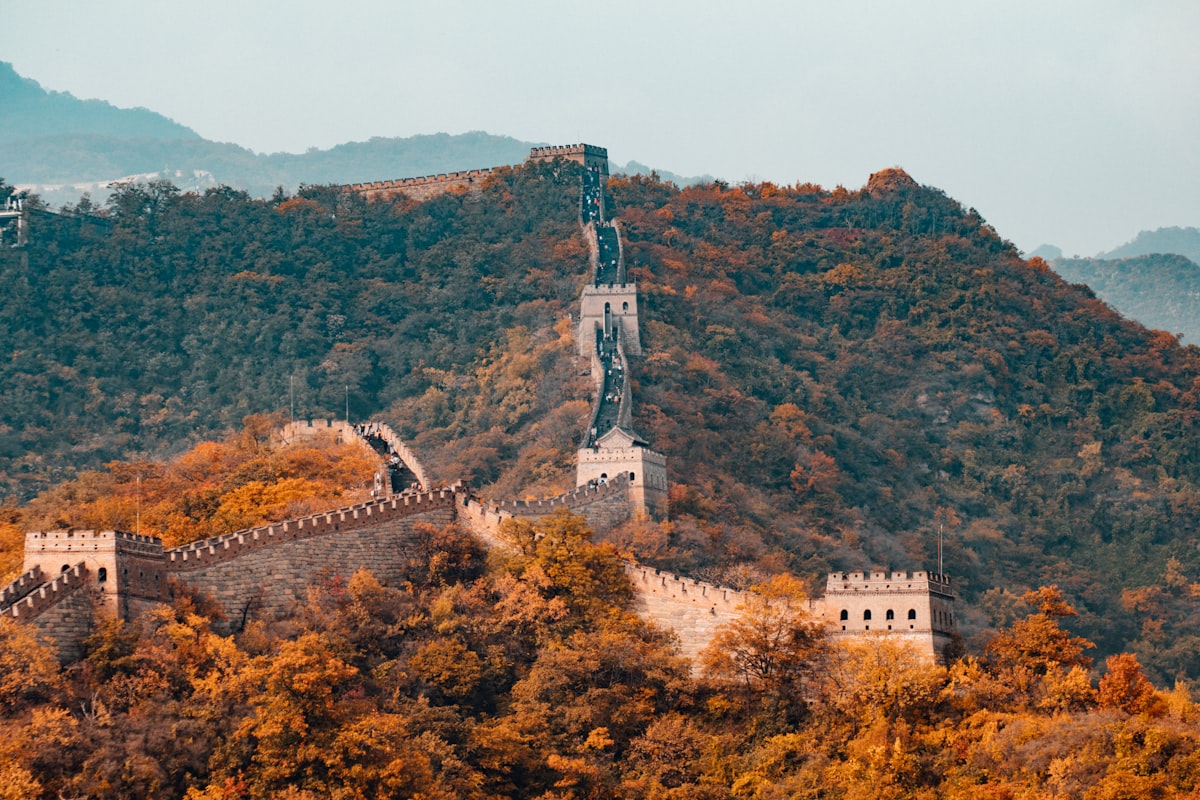
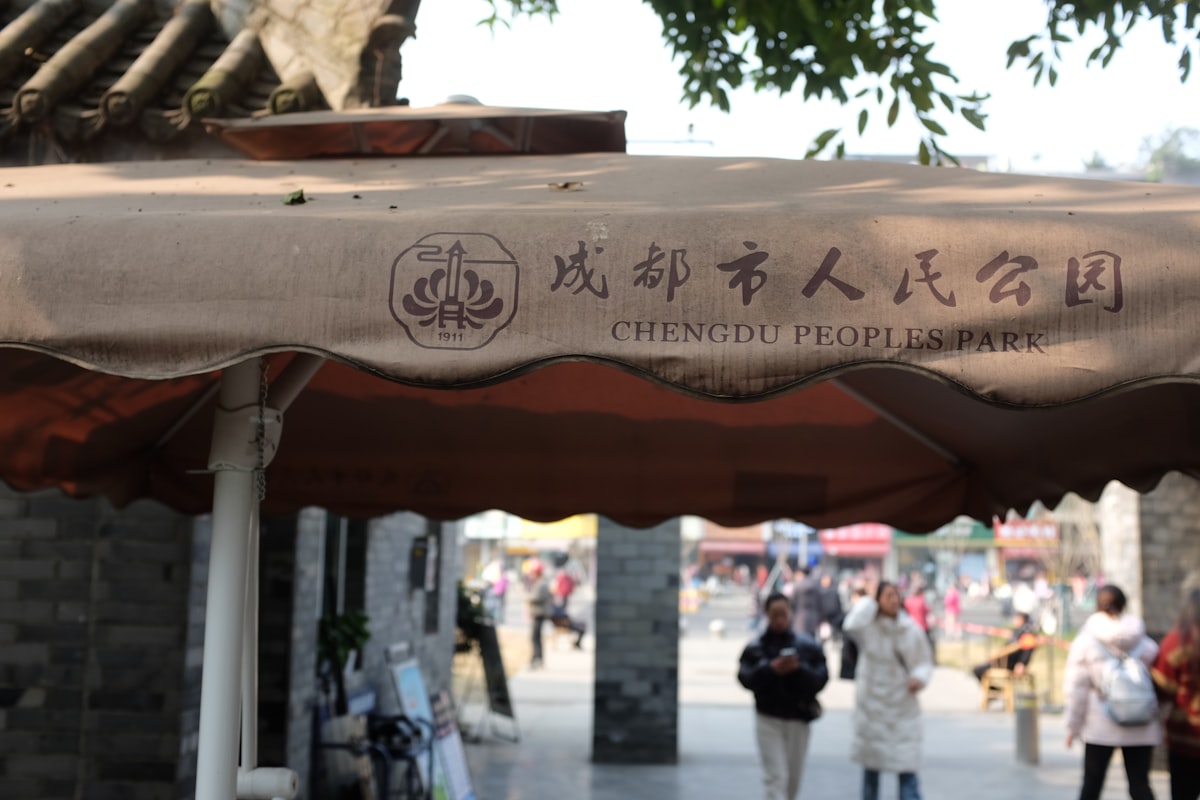
Greater Bay Area Travel Guide 2026: Guangzhou, Shenzhen, Hong Kong & Macau
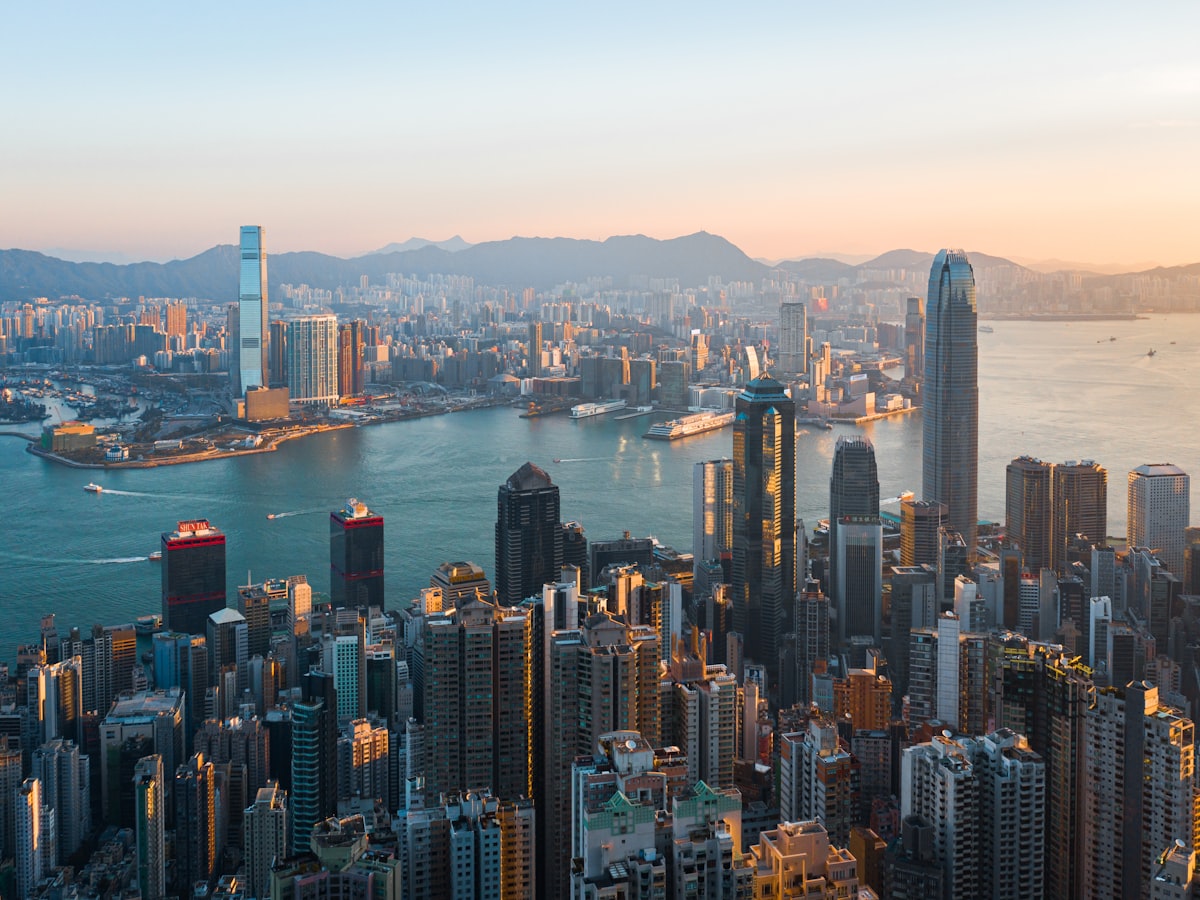
The Greater Bay Area (大湾区) is the most densely interconnected urban region on Earth — four cities, three legal systems, two special administrative regions, and one of the world’s best high-speed rail networks linking it all into a “1-hour living circle.” You can eat dim sum in Guangzhou for breakfast, walk Shenzhen’s skyline by lunch, catch Victoria Harbour at sunset in Hong Kong, and end the night with Portuguese egg tarts in Macau.
For foreign travelers, this region is uniquely rewarding — and uniquely complex. Three different visa regimes. Three different currencies. A firewall on one side of a bridge, open internet on the other. This guide untangles it all.
Why the Greater Bay Area?
| Reason | What It Means For You |
|---|---|
| 🚄 1-Hour Living Circle | Hong Kong → Guangzhou in 50 minutes, Guangzhou → Shenzhen in 30 minutes, HK → Macau in 40 minutes via the world’s longest sea bridge |
| 🥟 World’s Best Cantonese Food | Guangzhou is the birthplace of dim sum. Hong Kong elevated it. Shunde (30 min from Guangzhou) is a UNESCO City of Gastronomy. |
| 🏛️ Four Cities, Four Personalities | Guangzhou = traditional Lingnan culture + food. Shenzhen = futuristic tech hub + design. Hong Kong = East-meets-West energy. Macau = Portuguese colonial charm + casinos. |
| 🌉 The Hong Kong-Zhuhai-Macau Bridge | 55 km over the Pearl River Delta — the world’s longest sea crossing. A destination in itself. |
| 📱 Internet Reset Button | Hong Kong and Macau have no firewall. Google, Instagram, WhatsApp, Gmail all work. Your VPN gets a break. |
| 🎨 Creative Renaissance | Shenzhen’s OCT-LOFT art district, Guangzhou’s Yongqing Fang heritage restoration, Hong Kong’s West Kowloon Cultural District — the GBA is investing billions in culture. |
The Four Cities at a Glance
| Guangzhou | Shenzhen | Hong Kong | Macau | |
|---|---|---|---|---|
| Vibe | Traditional, food-obsessed | Young, tech-driven, creative | Cosmopolitan, electric, vertical | Portuguese, intimate, gambling |
| Best For | Dim sum, Lingnan architecture, history | Art districts, skyline views, electronics | Skyline, night markets, hiking | UNESCO old town, egg tarts, casinos |
| Language | Cantonese + Mandarin | Mandarin (migrant city) | Cantonese + English | Cantonese + Portuguese |
| Currency | RMB (¥) | RMB (¥) | Hong Kong Dollar (HK$) | Macanese Pataca (MOP$) |
| Internet | 🔒 Firewall (VPN needed) | 🔒 Firewall (VPN needed) | 🌐 Open internet | 🌐 Open internet |
| Visa for Westerners | Chinese visa required | Chinese visa required (or 144h transit) | Visa-free (90 days, most passports) | Visa-free (30–90 days, varies) |
The Cross-Border Survival Guide
This is the most practically important section. Moving between mainland China (Guangzhou/Shenzhen) and the SARs (Hong Kong/Macau) involves border crossings, currency shifts, and internet whiplash. Here’s exactly how to handle it.
Visas & Entry
Mainland China (Guangzhou + Shenzhen): Most Western passport holders need a Chinese visa. Check your eligibility for the 144-hour (6-day) visa-free transit policy — if your route is, say, Tokyo → Guangzhou → Hong Kong, you can enter Guangdong without a visa.
Hong Kong: 90 days visa-free for US, UK, EU, Australia, NZ, and most Western passports. An actual immigration stamp in your passport — not just a sticker.
Macau: 30–90 days visa-free for most Western passports. Separate from Hong Kong and mainland China.
The Visa Reset Trick: If your Chinese single-entry visa has been used up, a trip to Hong Kong or Macau resets your eligibility for a new Chinese visa (apply at the Chinese visa office in Hong Kong, 2–4 day processing). Travelers on long China trips use Hong Kong as a “visa run” destination — and it’s genuinely worth visiting, not just a bureaucratic stop.
Money
| Location | Currency | Payment Reality |
|---|---|---|
| Guangzhou + Shenzhen | RMB (¥) | Alipay/WeChat Pay dominate. Cash is rare but accepted. Foreign cards work only at major hotels and malls. |
| Hong Kong | HK Dollar (HK$) | Octopus card + credit cards + cash. AlipayHK is growing. You can survive on card + cash. |
| Macau | Macanese Pataca (MOP$) | Hong Kong dollars accepted everywhere (1:1, no change given). Casinos use HK$. Cards work in most places. |
Practical approach: Carry ¥500 RMB, HK$500, and MOP$300 in cash for each segment. Use Alipay/WeChat Pay in mainland cities (set up before your trip and link an international card). Use credit cards + Octopus in Hong Kong.
Internet
This is the most jarring transition in the GBA. In Guangzhou and Shenzhen: firewall. No Google, Instagram, WhatsApp, Gmail, Facebook. You need a VPN running before you enter mainland China.
In Hong Kong and Macau: open internet. Everything works. No VPN needed.
Strategy: If you’re going mainland → HK/Macau → mainland, time your social media posts for the HK/Macau segment. Download offline maps for mainland cities before leaving HK/Macau’s open internet. Consider an eSIM with data that works across all four cities (Nomad, Airalo, and Holafly offer GBA regional plans).
Transport: How to Move Between Cities
The Core Connections
| Route | Mode | Duration | Frequency | Cost |
|---|---|---|---|---|
| Hong Kong → Guangzhou | 🚄 HSR (West Kowloon → Guangzhou South) | 50–70 min | Every 15–30 min | HK$220–260 |
| Hong Kong → Guangzhou | 🚄 HSR (West Kowloon → Guangzhou East) | 90 min | Several daily | HK$210 |
| Guangzhou → Shenzhen | 🚄 HSR (Guangzhou South → Shenzhen North) | 30 min | Every 10–15 min | ¥75–100 |
| Guangzhou → Shenzhen | 🚄 HSR (Guangzhou East → Shenzhen) | 1h | Frequent | ¥80–100 |
| Hong Kong → Macau | 🚌 HZM Bridge shuttle (“Golden Bus”) | 40 min | Every 5–15 min | HK$65 (day) / HK$70 (night) |
| Hong Kong → Macau | ⛴️ TurboJET ferry | 1 hr | Every 30 min | HK$160–200 |
| Shenzhen → Zhuhai/Macau | 🚌 Shenzhen-Zhongshan Bridge bus | ~1 hr | Frequent | ~¥80 |
| Macau → Zhuhai | 🚶 Walk across Gongbei Border Gate | 15 min walk | — | Free (after immigration) |
Key tip: The Hong Kong → Guangzhou high-speed train departs from West Kowloon Station in Hong Kong. You clear both Hong Kong exit immigration and mainland China entry immigration inside the station. Arrive 45 minutes before departure. The train itself is the same comfortable rolling stock as all Chinese HSR — reserved seats, power outlets, clean, fast.
Within Each City
| City | Best Transport |
|---|---|
| Guangzhou | Metro (line map in English, extensive), DiDi (ride-hailing via Alipay) |
| Shenzhen | Metro (modern, English signage), DiDi |
| Hong Kong | MTR (exceptional), Star Ferry, trams on Hong Kong Island, Octopus card for everything |
| Macau | Free casino shuttle buses (seriously — they connect the ferry terminals, border gates, and major hotels), light rail (Taipa line), walking (Macau peninsula is small) |
Guangzhou: The Food Capital (2–3 Days)
Guangzhou is the birthplace of Cantonese cuisine and the ritual of yum cha (morning tea). It’s also a city with 2,200 years of history — the ancient maritime Silk Road started here.
Must-Do
-
Yum Cha / Dim Sum Breakfast — The defining Guangzhou experience. Go to Dian Dou De (点都德) or Tao Tao Ju (陶陶居) by 9 AM. Order: har gow (shrimp dumplings), siu mai (pork dumplings), char siu bao (BBQ pork buns), cheung fun (rice noodle rolls), egg tarts, and pu’er tea. The carts may or may not still roll — many restaurants now use order sheets. Both are authentic.
-
Chen Clan Ancestral Hall (陈家祠) — The finest example of Lingnan architecture in existence. Every surface is carved — wood, stone, brick, ivory. Built in 1894 by the Chen family as a combination temple, academy, and clan hall. The detail will consume you for 1–2 hours.
-
Shamian Island (沙面岛) — A quiet, tree-shaded island of European colonial buildings in the Pearl River. Former British and French concession territory. Stroll, photograph, sit at a riverside café. Completely unlike the rest of Guangzhou.
-
Yongqing Fang (永庆坊) — A restored historic neighborhood with narrow lanes, the Cantonese Opera Museum, boutique shops, and street food. The best example of Guangzhou’s “micro-renovation” approach to heritage — old bones, new life.
-
Canton Tower + Zhujiang New Town — The 600m Canton Tower (“Xiaomanyao” / slim waist) is Guangzhou’s skyline anchor. Huacheng Square below is the “City Living Room.” Come at night for the illuminated skyline and Pearl River light show. A river cruise (60 min, ¥60–100) gives the best views.
-
Beijing Road (北京路) — A 24-hour pedestrian street and Guangzhou’s commercial heart for 1,000+ years. There’s a glass-covered excavation in the middle showing the ancient road layers beneath. The modern street is pure neon energy — shopping, street food, crowds.
Where to Eat
| Restaurant | Specialty | Location |
|---|---|---|
| 点都德 (Dian Dou De) | All-day dim sum, the modern classic | Multiple locations |
| 陶陶居 (Tao Tao Ju) | Historic dim sum since 1880 | Beijing Road, Tianhe |
| 广州酒家 (Guangzhou Restaurant) | The old-guard institution | Multiple locations |
| 潘溪酒家 (Panxi) | Lakeside garden setting, classic Cantonese | Liwan District |
| 西华路 (Xihua Road) | Street food — sizzling woks, claypot rice, rice noodle rolls | Liwan District |
Day Trip: Shunde (顺德)
Shunde is a district of Foshan, 30–40 minutes from Guangzhou by metro or taxi. It’s a UNESCO City of Gastronomy — the soul of Cantonese cooking. People in Hong Kong drive three hours just to eat here. Must-try: roast goose, boneless tricolor fish, claypot eel rice, double-skin milk pudding. Go hungry.
Shenzhen: The Futurist’s City (1–2 Days)
Forty years ago, Shenzhen was a fishing village of 30,000 people. Today it’s a megacity of 17 million and the hardware capital of the world. It’s China’s youngest, fastest, most ambitious city — and it has a surprisingly good art scene.
Must-Do
-
OCT-LOFT Creative Park (华侨城创意文化园) — A repurposed factory complex turned into galleries, design studios, indie bookstores, coffee roasters, and a weekend creative market. It’s the spiritual opposite of Shenzhen’s corporate towers. Spend a half-day wandering.
-
Ping’an Finance Centre (平安金融中心) — The world’s 4th tallest building (599m). Observation deck on the 116th floor with floor-to-ceiling glass and vertigo-inducing views across Shenzhen Bay to Hong Kong. Less crowded than Shanghai Tower.
-
Nantou Ancient Town (南头古城) — A 1,700-year-old walled town absorbed by Shenzhen’s sprawl, now a hybrid of Ming-dynasty streets and contemporary design interventions. Cafés in centuries-old buildings, artisan shops, small museums. Gentrified, but tastefully so.
-
Huaqiangbei Electronics Market (华强北) — The world’s largest electronics wholesale market. Even if you’re not buying, walking through a building where every stall is circuit boards, LEDs, drones, phone parts, and gadgets you’ve never seen is an experience. Open during the day.
-
Shenzhen Bay Park (深圳湾公园) — 15 km of waterfront park along the coast, with mangrove forests, bike paths, and views across the bay to Hong Kong’s New Territories. Best at sunset.
Where to Eat
Shenzhen is a migrant city — people came from everywhere in China, and they brought their food with them. The local specialty is actually Chaoshan cuisine (from eastern Guangdong): beef hotpot (潮汕牛肉火锅) with hand-sliced beef cooked for 8 seconds in clear broth. Find any busy Chaoshan beef hotpot restaurant and trust it.
For a splurge: Ensue in the Futian Shangri-La — the Shenzhen outpost of a Michelin-starred chef, blending Cantonese ingredients with Californian technique. Tasting menu. Book weeks ahead.
Hong Kong: The East-Meets-West Energy (2–3 Days)
Hong Kong needs no introduction. The skyline from Victoria Peak. Neon signs reflected in rain-soaked streets. Star Ferry crossing the harbor at dusk. Dim sum in a chaotic tea house. A hike up the Peak, then dim sum at Tim Ho Wan. It’s one of the world’s great cities, and it’s been a travel icon for generations.
Must-Do
-
Victoria Peak (太平山頂) — Take the Peak Tram (since 1888) up at 4 PM. Walk the circular Lugard Road trail as the afternoon light turns golden. Stay for sunset. Watch the skyline ignite. This is the Hong Kong moment. Go on a clear day.
-
Star Ferry (天星小輪) — The 8-minute crossing from Tsim Sha Tsui to Central has been running since 1888. It costs HK$3.20. The view of the skyline from the water, especially at sunset, is absurdly beautiful. Take the upper deck.
-
Mong Kok Night Markets — Temple Street Night Market (6 PM–11 PM) for street food, fortune tellers, and chaotic energy. Ladies’ Market on Tung Choi Street for knockoff everything. Mong Kok at night is the Hong Kong of Wong Kar-wai films — dense, neon-lit, alive.
-
West Kowloon Cultural District (西九文化區) — The Hong Kong Palace Museum, M+ Museum of contemporary visual culture, and a waterfront promenade with skyline views. Opened in phases from 2021–2025. This is the new Hong Kong — a billion-dollar bet on culture. The Palace Museum has artifacts from Beijing’s Forbidden City never before shown outside the mainland.
-
Lantau Island: Big Buddha + Ngong Ping 360 — A 25-minute glass-bottom cable car ride over water and mountains to the 34-meter Tian Tan Buddha. The monastery below serves a vegetarian lunch. Half-day trip.
Where to Eat
| Experience | Where |
|---|---|
| Dim Sum | Tim Ho Wan (the cheapest Michelin-starred restaurant), Lin Heung Tea House (old-school chaos, since 1926) |
| Roast Goose | Yat Lok (Central), Kam’s Roast Goose (Wan Chai) |
| Wonton Noodles | Mak’s Noodle (Central) |
| Egg Waffles | Mammy Pancake (multiple locations) |
| Milk Tea | Lan Fong Yuen (Central — the inventor of “silk stocking” milk tea) |
| Splurge Dinner | Lung King Heen (Four Seasons — first Chinese restaurant to get 3 Michelin stars) |
Macau: The Portuguese Dream (1–2 Days)
Macau is a fever dream. Baroque Portuguese churches next to Taoist temples. Cobblestone lanes with azulejo tiles leading to mega-casinos. Egg tarts everywhere. The Historic Centre is a UNESCO World Heritage site — 22 buildings and public spaces that tell the story of 450 years of Portuguese-Chinese encounter.
It’s also the world’s gambling capital (revenue: 6× Las Vegas). If you’ve never seen a casino floor the size of an airport terminal with a Venetian canal, an Eiffel Tower, and a light show running simultaneously inside… Macau delivers.
Must-Do
-
Ruins of St. Paul’s (大三巴牌坊) — The surviving stone façade of a 17th-century Jesuit church, standing at the top of a grand staircase. Go at 8 AM before the selfie-stick armada arrives, or at night when it’s lit and almost empty.
-
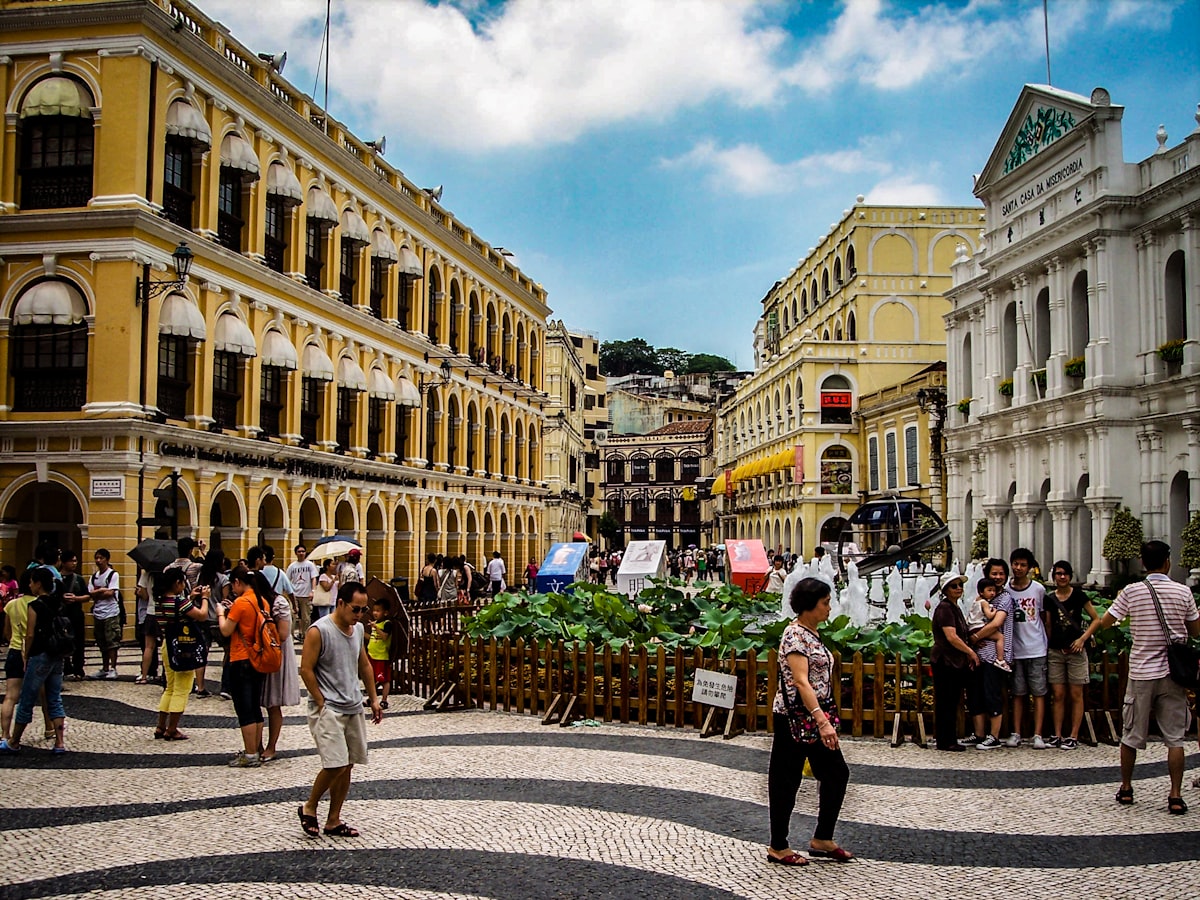
Senado Square (議事亭前地) — The cobblestone heart of the Historic Centre, surrounded by pastel Portuguese buildings. Walk the lanes radiating out: Rua da Felicidade (red lanterns, old Macau), Travessa da Paixão (the prettiest lane in Macau), Rua dos Ervanários (herb shops, incense).
-
Taipa Village (氹仔村) — Before the Cotai Strip was reclaimed from the sea, Taipa was two islands with a fishing village. Taipa Village preserves that — narrow lanes, colonial houses painted mint green and yellow, Macanese restaurants, and the original Lord Stow’s Bakery (egg tarts since 1989).
-
Coloane Village (路環村) — Macau’s southernmost tip, a sleepy fishing village that feels centuries from the casinos. Lord Stow’s original café, pastel-colored houses, a tiny Taoist temple, and the best Portuguese egg tart of your life, eaten on a bench overlooking the South China Sea.
-
The Cotai Strip — The surreal casino-resort corridor: The Venetian (indoor canals + singing gondoliers), The Parisian (half-scale Eiffel Tower), Galaxy Macau (diamond lobby show), City of Dreams (water-and-light spectacle). You don’t need to gamble to enjoy the sheer spectacle of it. Walking the Strip at night is free entertainment.
Where to Eat
| Item | Where |
|---|---|
| Portuguese Egg Tart | Lord Stow’s Bakery (Coloane original or Taipa branch) |
| Pork Chop Bun | Tai Lei Loi Kei (Taipa) |
| Macanese Minchi | A Lorcha (near A-Ma Temple), Riquexo |
| Almond Cookies | Koi Kei Bakery (everywhere, free samples) |
| African Chicken | Henri’s Galley (Coloane) |
Recommended Itineraries
5-Day Express (Best Intro)
| Day | City | Key Activities |
|---|---|---|
| 1 | Guangzhou | Chen Clan Ancestral Hall (morning), Shamian Island (afternoon), Canton Tower + Pearl River cruise (evening) |
| 2 | Guangzhou | Yum cha breakfast, Yongqing Fang, Beijing Road. Train to Shenzhen in evening. |
| 3 | Shenzhen | OCT-LOFT, Nantou Ancient Town, Ping’an Finance Centre at sunset. Train to Hong Kong in evening. |
| 4 | Hong Kong | Victoria Peak, Star Ferry, West Kowloon Cultural District, Temple Street Night Market |
| 5 | Hong Kong → Macau | HZM Bridge bus morning. Ruins of St. Paul’s, Senado Square, Taipa Village, Cotai Strip night walk. Depart from Macau or Zhuhai. |
7-Day Deep Dive (Recommended)
| Day | City | Key Activities |
|---|---|---|
| 1 | Guangzhou | Yum cha at Dian Dou De, Chen Clan Ancestral Hall, Shamian Island, Pearl River night cruise |
| 2 | Guangzhou | Yongqing Fang, Xihua Road food street, option: Shunde day trip for the ultimate Cantonese food pilgrimage |
| 3 | Shenzhen | OCT-LOFT, Nantou Ancient Town, Huaqiangbei electronics market, Shenzhen Bay Park sunset, Ping’an tower |
| 4 | Hong Kong | Cross border morning. Victoria Peak, Central, Star Ferry, Temple Street Night Market |
| 5 | Hong Kong | Lantau Island (Big Buddha, Ngong Ping 360), Mong Kok markets, West Kowloon Cultural District |
| 6 | Macau | Ferry morning. Historic Centre (Ruins of St. Paul’s, Senado Square, Monte Fort), Taipa Village, egg tarts |
| 7 | Macau | Coloane Village morning (quiet, seafood lunch), Cotai Strip walk, casino spectacle. Depart Macau/Zhuhai. |
10-Day Grand GBA (With Day Trips)
Add these extensions to the 7-day itinerary:
- Day 8: Hong Kong — Hike Dragon’s Back trail (1.5 hours, epic coastal views), Shek O beach, seafood dinner in Sai Kung
- Day 9: Zhuhai — Walk across Gongbei border from Macau. Lovers’ Road, Fisher Girl Statue, Chimelong Ocean Kingdom or Sun & Moon Shell opera house
- Day 10: Return to departure city — Choose your favorite and fly out
Practical Tips
Best Time to Visit
| Season | Verdict |
|---|---|
| March–May ⭐ | Best — comfortable (20–28°C), low humidity, flowers blooming |
| June–August | ⚠️ Hot (35°C+), humid, typhoon risk July–September |
| October–December ⭐ | Best — clear skies, low humidity, 18–25°C. Avoid Golden Week (Oct 1–7). |
| December–February | Mild (15–19°C) but grey. Chinese New Year (late Jan/Feb) is crowded but fascinating. |
Language
| City | Reality |
|---|---|
| Guangzhou | Cantonese first, Mandarin second. English is rare outside hotels and tourist sites. |
| Shenzhen | Mandarin dominant (migrant city). Slightly more English than Guangzhou. |
| Hong Kong | Cantonese + English. English is an official language. Most signage, menus, and MTR announcements are bilingual. |
| Macau | Cantonese + Portuguese. English is common in casinos and hotels, less so on the street. |
Translation app is essential in Guangzhou and Shenzhen. Download the Chinese offline pack in Google Translate before leaving Hong Kong/Macau’s open internet.
WeChat/Alipay Setup
Set up Alipay (TourPass for international cards) and WeChat Pay before you leave home. Both work everywhere in Guangzhou and Shenzhen. In Hong Kong, AlipayHK is growing but cards and Octopus still rule. In Macau, casinos take HK$, restaurants generally take cards. Carry cash as backup in all four cities.
Budget Estimate (Per Person, 7-Day Route)
| Item | Budget (¥) | Mid-Range (¥) |
|---|---|---|
| Accommodation (6 nights) | 1,800 | 4,800 |
| Intercity transport (trains, ferry, bridge bus) | 600 | 800 |
| City transport (metro, taxi, ferry) | 300 | 500 |
| Food (7 days) | 1,200 | 2,500 |
| Attraction tickets | 500 | 800 |
| Total | ~4,400 | ~9,400 |
That’s roughly $600–1,300 USD. The GBA can be surprisingly affordable if you eat local and use public transport — or genuinely luxurious if you splurge on Hong Kong hotels and Michelin-starred dim sum.
Final Honest Take
The Greater Bay Area is China’s future compressed into a single, high-speed-connected region. In one week you can move from Guangzhou’s 2,200-year-old dim sum culture to Shenzhen’s soaring tech towers, to Hong Kong’s defining skyline, to Macau’s sleepy Portuguese lanes — and never spend more than an hour in transit between them.
The border crossings are a hassle. The internet whiplash between the firewall and open web is jarring. Juggling three currencies is annoying. But the density of experiences — the sheer variety packed into such a small geographic area — is unmatched anywhere in the world.
Come for the dim sum. Stay for the skyline at dusk. Leave through Macau with a box of egg tarts and a camera roll full of neon.
Planning a Greater Bay Area trip? Have questions about cross-border logistics? Reach out — I’ve crossed every border in this guide and I’m happy to help.