Jiangnan Water Towns: Hangzhou, Suzhou, Nanjing & Ancient Canal Towns (2026)

“Jiangnan” (江南) — literally “south of the Yangtze River” — is China’s most poetic region. A land of canals, misty lakes, classical gardens, ancient capitals, and the food that shaped Chinese cuisine forever. There is a Chinese saying: “Above there is heaven, below there is Suzhou and Hangzhou” (上有天堂,下有苏杭).
Three cities form the golden triangle: Hangzhou, Suzhou, and Nanjing. All connected by high-speed rail. All accessible from Shanghai in under an hour. This is one of the easiest, most rewarding routes in China — and somehow still underrated by Western travelers who never leave Beijing and Shanghai.
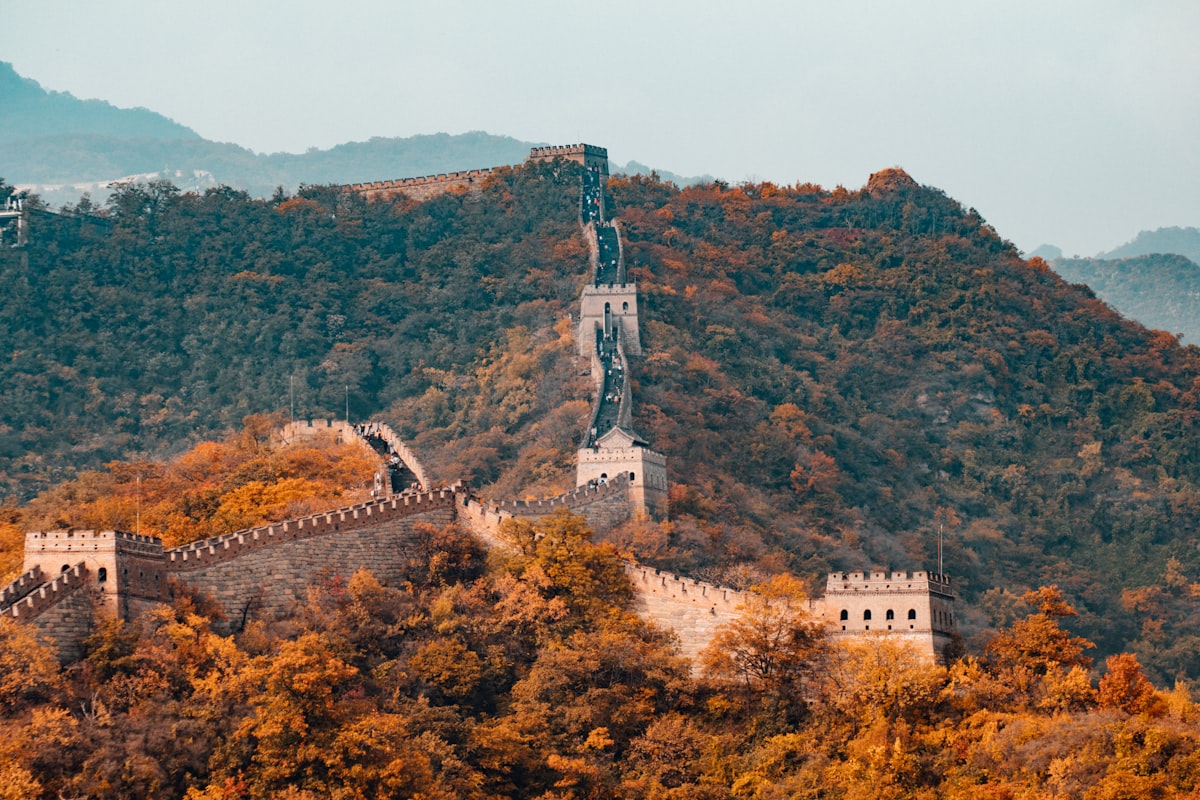
If you have been to China before and only saw the Great Wall and the Bund, this is where you come next. If this is your first trip, consider spending at least half your time here instead of rushing through 12 cities in 14 days. Jiangnan rewards slow travel.
A quick history primer (so the places make sense). Jiangnan rose to prominence during the Tang (618-907) and Song (960-1279) dynasties, when the economic center of China shifted south. The Grand Canal — the world’s longest man-made waterway — connected this region to Beijing, making Suzhou and Hangzhou hubs of commerce, culture, and imperial grain shipment. By the Southern Song (1127-1279), Hangzhou was the largest city in the world. The Ming Dynasty (1368-1644) started in Nanjing. Every canal, every garden rock, and every poetic inscription you encounter is part of this continuous 1,400-year thread. You do not need a history degree to enjoy Jiangnan, but knowing the basics makes the experience richer.
What to expect language-wise. English is less widely spoken in Jiangnan than in Shanghai or Beijing, especially outside hotels and tourist sites. In Hangzhou, the younger generation and hotel staff usually speak basic English. In Suzhou gardens, signage is bilingual. In Nanjing, the museums are well-translated. But in water towns, local noodle shops, and markets, expect zero English. Download a translation app (Google Translate with offline Chinese pack, or Baidu Translate), learn five phrases (hello/thank you/how much/where is/delicious), and use photos on your phone to point at what you want. Restaurant picture menus are common at mid-range and above establishments, but street stalls require pointing and smiling. This is part of the adventure — do not let it intimidate you. Chinese people are generally patient and helpful with foreign visitors who are clearly trying.
Connecting from Shanghai — The Perfect Gateway
Shanghai is the natural entry point. Fly into Shanghai Pudong (PVG) or Hongqiao (SHA), spend a few days acclimating, then launch into Jiangnan. Use Shanghai as your base and either day-trip individual cities or, better yet, build a 6-8 day loop through all three.
| From Shanghai Hongqiao | To | Duration | 2nd Class (¥) | ($) |
|---|---|---|---|---|
| Shanghai Hongqiao → Hangzhou East | 50 min | ¥73 | $10 | |
| Shanghai Hongqiao → Suzhou | 25 min | ¥38 | $5 | |
| Shanghai Hongqiao → Nanjing South | 1 hr | ¥135 | $19 |
Yes, you read that right: Suzhou is 25 minutes from Shanghai. You can day-trip it easily. Hangzhou is under an hour. Nanjing — the ancient capital — is one hour flat. The high-speed rail network in this region is arguably the best in the world, and if you have not used it before, read our China High-Speed Rail Guide for everything from booking tickets to navigating stations.
Day trips vs overnight stays. You can visit all three cities as day trips from Shanghai. Suzhou as a day trip works perfectly. Hangzhou as a day trip is tight but doable if you skip Lingyin Temple and stick to West Lake. Nanjing as a day trip is pushing it — you will miss too much.
But the magic of Jiangnan is staying overnight. West Lake at sunrise, mist curling off the water, old men practicing tai chi under willow trees. Suzhou gardens in late afternoon when the tour buses leave and the light goes golden. Nanjing’s Qinhuai River with red lanterns reflecting on black water at night. These moments do not happen on a 5 PM train back to Shanghai.
Recommended approach: Fly into Shanghai, spend 2-3 days (see our Shanghai Arrival Guide and 3-Day Shanghai Itinerary), then do the Jiangnan loop. Fly out from Shanghai Pudong or Nanjing Lukou — both have international connections. The loop works equally well clockwise (Shanghai → Hangzhou → Suzhou → Nanjing → Shanghai) or counterclockwise (Shanghai → Nanjing → Suzhou → Hangzhou → Shanghai).
Hangzhou: West Lake & Tea Country (2-3 days)
Marco Polo called Hangzhou “the finest and most splendid city in the world.” That was the 13th century, when Hangzhou was the capital of the Southern Song Dynasty and one of the largest cities on earth. Today, Hangzhou is a modern city of 12 million and the headquarters of Alibaba, but West Lake — the heart of it — is timeless.
West Lake (西湖)
Cost: FREE. West Lake is China’s most famous lake, immortalized in a thousand poems and painted on the back of the ¥1 note. It is also genuinely beautiful, especially if you time it right.
The classic experience: rent a bike and cycle the full 15-kilometer circumference. Shared bikes (Meituan/Hellobike) cost ¥1.50 per hour. Rental bikes from shops near the lake run ¥30-50 per day. The loop takes about 2-3 hours with stops. Do it counterclockwise starting from the eastern shore.
Key stops on the loop:
- Broken Bridge (断桥): The defining causeway connecting the north shore to Gushan Island. Atmospheric in morning mist — this is where the famous Legend of the White Snake begins. In winter, when snow melts unevenly on the bridge, it creates the illusion of a broken bridge — hence the name. Free.
- Bai Causeway (白堤): A kilometer-long path across the lake named after the Tang dynasty poet Bai Juyi, who governed Hangzhou and ordered the causeway built. Lined with willow trees. Gorgeous in spring when peach blossoms bloom.
- Su Causeway (苏堤): 2.8 kilometers of tree-lined path spanning the full length of the lake. Built in the 11th century under the supervision of Su Dongpo, the great Song dynasty poet-official. Six arched bridges along the way. This is the best stretch for cycling.
- Leifeng Pagoda (雷峰塔): ¥40 ($5.50). The original pagoda collapsed in 1924; what you see is a 2002 reconstruction with an elevator inside. Yes, an elevator. But the view from the top — the entire lake, Hangzhou’s skyline, and tea-covered hills — is the classic Hangzhou photograph. Go for the view, not the authenticity.
- Guo’s Villa (郭庄): ¥10 ($1.50). A small, fine private garden tucked on the western shore of the lake. Far fewer visitors than the big-name spots. The teahouse facing the lake is one of the best places in Hangzhou to sit for an hour with a cup of Longjing tea. Built in 1907, the villa masterfully borrows the lake scenery as its own — a classic Jiangnan garden technique.
- Impressions West Lake (印象西湖): ¥260-360 ($36-50). Zhang Yimou’s evening water-and-light spectacular, performed entirely on the lake itself. The stage is a few centimeters below the water surface, so performers appear to walk on water. Spectacular if you love visual theater. Skip if you are budget-conscious — the price is steep for what amounts to an hour-long show.
West Lake strategy. The lake gets mobbed on Chinese weekends and public holidays. Visit on a weekday, and go early. The northern and western shores are significantly quieter than the eastern (downtown) side. The southeastern corner near Leifeng Pagoda is a bottleneck — push through or avoid. If you go on a Saturday in April, you will spend more time dodging selfie sticks than looking at the lake.
Boat rides on the lake. Several options, all worth considering for a different perspective:
| Boat Type | Price (¥) | ($) | Duration | Notes |
|---|---|---|---|---|
| Public ferry (to Mid-Lake Pavilion) | ¥55 | $8 | Round-trip, hop on/off | The classic island pagoda view. Efficient, no-frills. |
| Hand-rowed wooden boat | ¥150/boat | $21 | 1 hour | Up to 6 people. The traditional way. Find boatmen at docking points around the lake. Negotiate the price before boarding. |
| Electric boat (self-drive) | ¥40-60/hr | $6-8 | Rent by hour | Fun but slow. Good for a leisurely float, bad for getting anywhere specific. |
| Tourist cruise | ¥70 | $10 | 40 min loop | Covered boat with recorded commentary. Least atmospheric but dry on rainy days. |
The hand-rowed wooden boats are the best experience: the creak of the oar, the boatman’s occasional commentary (in Chinese), the view of the city skyline from the water. Go in late afternoon for the best light.
West Lake in rain and snow. A Chinese saying holds that West Lake is most beautiful in rain and snow — the mist softens everything, turning the lake into an ink-wash painting come to life. Rainy days are actually great for photography (fewer people, atmospheric) and snow days are rare and magical. Bring an umbrella, not a raincoat — it is the Jiangnan way. If you get a drizzly morning, consider yourself lucky.
Lingyin Temple (灵隐寺) & Feilai Peak (飞来峰)
Cost: ¥75 combined ($10). Lingyin Temple (Temple of the Soul’s Retreat) is one of China’s most important Buddhist temples, founded in 328 AD by an Indian monk named Huili. The main halls house impressive statuary, including a 20-meter camphor wood Sakyamuni Buddha. But the real treasure is Feilai Peak (Feilai Feng).
Feilai Peak is a limestone karst hill studded with over 340 Buddhist carvings dating from the 10th to 14th centuries — the Five Dynasties through the Yuan. The carvings cover the cliff faces and grottoes along a winding path. The most famous is the Laughing Maitreya Buddha, carved in 1000 AD, his belly worn smooth by centuries of visitors rubbing it for good luck. The carvings are striking both as art and as a record of how Buddhism evolved in China — you can trace the stylistic shifts from Tang to Song to Yuan across the same hillside.
Strategy: Arrive at opening (7:00 AM). By 10 AM the main path is a river of tour groups with flag-waving guides and bluetooth speakers. The early hour gives you the carvings and temple halls in something approaching peace. Budget 2-3 hours total.
Longjing Tea Village (龙井村) & Nine Creeks
Dragon Well (Longjing) tea is China’s most famous green tea, and it grows on the terraced hillsides just west of West Lake. Longjing Village is the epicenter — a cluster of tea farmers’ homes surrounded by manicured green tea bushes. You can walk through the fields for free, watch tea being pan-roasted by hand in iron woks (the traditional method), and drink freshly brewed Longjing at a farmer’s home for ¥30-80 per person depending on the grade of tea.
Best time: March through April for the spring harvest, when the first flush (Mingqian, “pre-Qingming”) tea is picked and the hills are at their greenest. In autumn the harvest is over but the weather is perfect for walking.
The Nine Creeks Trail (九溪十八涧): From Longjing Village, follow the stone path downhill through the Nine Creeks and Eighteen Streams. It is a 5-kilometer walk along tree-shaded paths that cross 18 small streams via stepping stones. You end at the Qiantang River. This is one of Hangzhou’s best free experiences — no tickets, no crowds (even on weekends it is relatively quiet), just forest, water, and the sound of birds. Budget 1.5-2 hours for the walk. Wear shoes that can get a little wet.
Other Hangzhou Highlights
- Xixi Wetlands (西溪湿地): ¥80 ($11). China’s first national wetland park, a vast network of ponds, creeks, and reed beds. Beautiful in its way — especially when the persimmon trees fruit in autumn — but expensive and a bit out of town. Worth considering if you have 3+ days and want an escape from the city. The free outer areas are fine for a walk without paying entry.
- Hefang Street (河坊街) & Southern Song Imperial Street: The obligatory “old street” — reconstructed Ming/Qing-style buildings housing souvenir shops, tea houses, and snack stalls. Tourist-oriented, yes, but fun for an evening stroll. The adjacent Damalong Market area is where locals eat breakfast: soy milk and sesame flatbread for ¥8-15 ($1-2).
- China National Silk Museum (中国丝绸博物馆): FREE. A exceptional museum tracing silk from silkworm cocoon to Silk Road trade routes. Excellent English signage throughout. The exhibits on silk production — with live silkworms in season — are genuinely fascinating. A surprise highlight for many visitors. Budget 1.5-2 hours.
Hangzhou Food
Hangzhou cuisine is one of China’s great regional traditions: delicate, slightly sweet, emphasizing fresh ingredients prepared with subtle technique. It is not the fiery, numbing food of Sichuan or the bold savory flavors of northern China. This is food that whispers rather than shouts.
| Dish | Description | Price (¥) | Price ($) |
|---|---|---|---|
| Dongpo Pork (东坡肉) | Pork belly slow-braised in soy sauce, sugar, and Shaoxing wine until it collapses at the touch of a chopstick. Named after Su Dongpo, the Song dynasty poet-official who supposedly invented it. Served in a small clay pot, one perfect cube per person. | ¥48–88 | $7–12 |
| Longjing Shrimp (龙井虾仁) | Tiny river shrimp stir-fried with fresh Dragon Well tea leaves. The tea is added at the last moment so its fragrance perfumes the dish without turning bitter. Delicate, fragrant, uniquely Hangzhou. | ¥68–128 | $9–18 |
| West Lake Vinegar Fish (西湖醋鱼) | A whole grass carp poached and drenched in a glossy sweet-sour black vinegar sauce. This is THE canonical Hangzhou dish, served at state banquets. Fair warning: it is an acquired taste. The sauce is sweeter and more subtle than what most Western palates expect from “sweet and sour.” Some travelers love it; others find it cloying. Worth trying once. | ¥68–128 | $9–18 |
| Beggar’s Chicken (叫花鸡) | A whole chicken stuffed with mushrooms and pork, wrapped in lotus leaves, encased in clay, and slow-baked. The clay shell is cracked open at your table. Tender, aromatic, theatrical. | ¥88–168 | $12–23 |
| Pian’er Chuan Noodles (片儿川) | The working-class Hangzhou breakfast: wheat noodles in broth with sliced pork, bamboo shoots, and pickled mustard greens. The name means “sliced through” in Hangzhou dialect. Simple, deeply satisfying. | ¥15–25 | $2–3.50 |
Where to eat:
- Louwailou (楼外楼): The most famous restaurant in Hangzhou, perched on the northern shore of West Lake since 1848. The lakeside setting is magnificent, especially from the upstairs dining room. Prices are high (¥150-300 per person) and the food is good but no longer the best in town — some say it has been coasting on reputation for decades. Go for the experience and the view, order Dongpo Pork and West Lake Vinegar Fish, and do not expect a culinary revelation.
- Zhiweiguan (知味观): More local, more affordable, and arguably better food than Louwailou. The flagship on Renhe Road serves excellent Hangzhou classics plus a legendary dim sum hall on the ground floor. ¥80-150 per person. The xiaolongbao (soup dumplings) here are excellent.
- Green Tea Restaurant (绿茶): A trendy chain that started in Hangzhou and spread nationwide. Modern, stylish interiors, creative takes on Hangzhou dishes, and reasonable prices (¥80-120 per person). Not traditional, but consistently good and English-picture-menu friendly. Multiple locations; the one near West Lake in a converted tea plantation building is the most atmospheric.
Budget tip: For breakfast or a quick lunch, duck into any noodle shop with a line of locals. Point at what someone else is having. You will eat well for ¥15-25. The area around Damalong Market is excellent for this.
Hangzhou Accommodation
| Area | Vibe | Price (¥/night) |
|---|---|---|
| West Lake north shore (Beishan Road) | Best location, lake views, historic hotels | ¥400–1,200 |
| Manjuelong / Siyanjing | Tea village area, quiet lanes, boutique guesthouses | ¥300–800 |
| Wulin Square (downtown) | Central, convenient, more affordable chain hotels | ¥200–500 |
| Qingzhiwu / youth hostels | Backpacker hub near West Lake, social atmosphere | ¥60–150 (dorm) / ¥200–400 (private) |
Suzhou: The Garden City (2 days)
If Hangzhou is a landscape painting unrolled across mountains and water, Suzhou is an intricate miniature carved inside a walnut. Hangzhou’s beauty is expansive, natural. Suzhou’s is compressed, designed, architectural. A Suzhou garden might occupy half an acre, but stepping inside, you would swear it unfolds for miles.
The classical gardens of Suzhou — nine of them UNESCO World Heritage-listed — represent the pinnacle of Chinese garden design. They are not parks. They are three-dimensional artworks where every rock, pond, window, pavilion, and borrowed view has been composed as precisely as a line of calligraphy. The goal is to create the illusion of a vast natural landscape within a confined urban space. A well-placed rock becomes a mountain; a pebble mosaic becomes a flowing stream; a moon gate frames a tableau like a living scroll painting.
Which Garden to Visit?
Here is the thing nobody tells you: garden fatigue is real. By your third garden, every rockery starts looking the same, every lotus pond blurs together, and you stop caring about the subtle differences in borrowed-view techniques. Pick two gardens, maximum three. One big, one small. That is all you need.
| Garden | Entry (¥) | ($) | Size | Verdict |
|---|---|---|---|---|
| Humble Administrator’s Garden (拙政园) | ¥80 | $11 | Large | The biggest, most famous, and most crowded. Landscapes, water features, bamboo groves. Gorgeous but requires strategic timing (opening, 7:30 AM, or skip). |
| Lingering Garden (留园) | ¥55 | $8 | Medium | More intimate, fine taihu rockeries, sophisticated spatial layering. Better for architectural detail. Less crowded than Humble Administrator’s. |
| Master of the Nets Garden (网师园) | ¥40 | $5.50 | Small | Smallest of the big names, perfectly proportioned. Night garden tours in summer with traditional music performances (¥100, genuinely worth it). |
| Lion Grove Garden (狮子林) | ¥40 | $5.50 | Medium | A dizzying labyrinth of taihu rocks shaped — supposedly — like lions. Fun, photogenic, but packed with children treating it as a playground. |
| Canglang Pavilion (沧浪亭) | ¥20 | $3 | Small | The oldest surviving Suzhou garden (11th century). Quiet, scholarly, under-visited. A waterside walkway precedes the garden itself — unique among Suzhou gardens. |
Recommendation: Pick Lingering Garden (big enough to impress, refined enough to linger — pun intended, the name means “garden to linger in”) plus Master of the Nets or Canglang Pavilion (small, intimate, the personal gardens of scholars rather than officials). Hit Lingering Garden at opening. Visit the small garden in late afternoon. This gives you the full range — grand official garden and intimate scholar’s retreat — without burnout.
Beyond the Gardens
- Pingjiang Road (平江路): The classic Jiangnan water-town street — a canal on one side, whitewashed buildings on the other, stone bridges arcing overhead. Shops sell tea, silk fans, calligraphy supplies. Teahouses with wooden balconies overhang the water. Yes, it is tourist-oriented. It is also genuinely pretty, especially in the early morning or on a rainy weekday. Catch a Pingtan (评弹) performance at the Pingjiang Cultural Center or a teahouse along the road — traditional Suzhou storytelling with singing and lute, in the local Wu dialect, ¥38-88 including tea. Even if you understand nothing, the sound is beautiful.
- Shantang Street (山塘街): Similar canal-street vibe to Pingjiang, with more evening energy. Red lanterns, canal boat rides (¥55 / $8 for 30 minutes), and snack stalls. The eastern section near the city center is touristy; walk west and it becomes a real neighborhood with locals living their lives. The boat ride at dusk, when the lanterns come on, is touristy but lovely.
- Tiger Hill (虎丘): ¥80 ($11). Suzhou’s “No. 1 Sight,” according to a famous Song dynasty quote. A wooded hilltop park crowned by the Yunyan Pagoda — a 1,000-year-old brick pagoda that leans noticeably (it has been leaning since before Pisa’s tower was built). Other points: the Sword Pool (where a legendary king supposedly buried 3,000 swords), bonsai gardens, and tea houses. Worth a half-day, especially if you like a good walk with views.
- Suzhou Museum (苏州博物馆): FREE, but reservation required online in advance. Designed by I.M. Pei, who was born in Suzhou. The building — white geometric forms that echo traditional Suzhou rooflines — is as important as the collection inside. The courtyard with its geometric rock garden is the most photographed spot. Book 7 days ahead via the museum’s WeChat mini-program or website. Without a reservation, you will not get in.
Suzhou Silk & Shopping
Suzhou has been China’s silk capital for over a thousand years. If you want to buy silk — scarves, pajamas, duvets, qipao dresses — this is the place. But the silk market is also full of scams and overpriced goods aimed at tour groups.
Where to buy silk (without getting ripped off):
- Suzhou No. 1 Silk Factory (苏州第一丝厂): The original state-owned silk mill, operating since 1926. You can watch the entire process from silkworm cocoons to finished fabric, including the fascinating double-cocoon stretching for silk duvets. The attached shop is pricier than markets but the quality is guaranteed. ¥100-500 for scarves, ¥500-2,000+ for duvets depending on weight.
- Suzhou Silk Museum (苏州丝绸博物馆): FREE. Educational museum next to the silk factory. Good orientation before shopping — learn the difference between mulberry silk, wild silk, and synthetic blends. English signage is decent.
- Guanqian Street (观前街) silk shops: The pedestrian shopping street has dozens of silk retailers at competitive prices. Bargain here — quoted prices are often 50-70% above what they will actually accept. A ¥400 scarf may go for ¥150-200 with friendly negotiation.
- Avoid: Rickshaw drivers and “friendly student” guides who offer to take you to a “special silk market.” These are commission scams. The shop prices will be double or triple normal retail.
What to know: Real 100% mulberry silk burns with a smell like burning hair and leaves a fine ash (synthetics melt into a hard bead). If a shopkeeper will not let you do the burn test on a loose thread, walk away. “Silk” at ¥50 a scarf is not silk.
Other Suzhou souvenirs: Suzhou embroidery (苏绣, Suzhou-style double-sided embroidery is world-famous, ¥200-2,000+ for framed pieces), sandalwood fans (¥30-100), and Biluochun green tea (碧螺春, Suzhou’s famous tea, ¥100-500 for 250g depending on grade).
Suzhou Food
Suzhou cuisine is the most refined in Jiangnan — delicate, slightly sweet, intensely seasonal. The local saying goes that Suzhou people “eat according to the calendar,” and there are specific dishes tied to specific weeks of the year.
| Dish | Description | Price (¥) | Price ($) |
|---|---|---|---|
| Squirrel-Shaped Mandarin Fish (松鼠鳜鱼) | A whole mandarin fish cross-cut, deep-fried so the flesh splays open like a squirrel’s tail, drenched in sweet-sour sauce. The signature Suzhou banquet dish. Photographed constantly. The sauce is sweeter than what you probably expect from “sweet and sour.” | ¥128–198 | $18–28 |
| Suzhou Noodle Soup (苏式汤面) | THE Suzhou breakfast. Delicate alkaline noodles in a clear, complex broth, topped with your choice of “jiaotou” — braised pork belly, smoked fish, shrimp, pickled vegetables. The noodles are served “tight” (硬, firm) or “soft” (软) per your preference. | ¥18–48 | $2.50–7 |
| Three-Shrimp Noodles (三虾面) | Summer-only (June through August). Noodles topped with a luxurious mixture of shrimp roe, shrimp meat, and shrimp oil — three preparations of the same tiny river shrimp. An umami bomb and one of the great seasonal specialties of Chinese cuisine. | ¥68–128 | $9–18 |
| Yangcheng Lake Hairy Crab (大闸蟹) | The autumn holy grail. Steamed crabs from nearby Yangcheng Lake, prized for their sweet meat and abundant golden roe. September through November only. Eaten with vinegar and ginger. A ritual: you will see tables of people silently, intently dismantling crabs for an hour. | ¥80–300/crab | $11–42 |
| Suzhou-Style Mooncakes (苏式月饼) | Forget the dense Cantonese mooncakes. Suzhou mooncakes are flaky, layered pastries stuffed with savory minced pork. Sold year-round, not just at Mid-Autumn Festival. The best are hot from the oven at street-side bakeries. | ¥5–10 | $0.70–1.40 |
Classic restaurants: Songhelou (松鹤楼) — the Louwailou of Suzhou, serving since 1757, the place for Squirrel Fish. Dexing Noodle House (德兴馆) — century-old noodle institution, the焖肉面 (braised pork noodle) is legendary. Tongdexing (同得兴) — arguably Suzhou’s best noodle shop, the Fengzhen pork noodle draws lines every morning.
Suzhou Accommodation
| Area | Vibe | Price (¥/night) |
|---|---|---|
| Pingjiang Road area | Canalside, historic, boutique guesthouses in converted courtyard homes | ¥350–800 |
| Shantang Street area | Old town charm, slightly cheaper, guesthouses along the canal | ¥250–600 |
| Suzhou Industrial Park (SIP) | Modern, international hotels, chain properties, by Jinji Lake | ¥400–1,200 |
| Guanqian Street (downtown) | Convenient for transport, mid-range hotels, shopping nearby | ¥200–500 |
Water Towns: The Honest Ranking
The Jiangnan water towns — Zhouzhuang, Wuzhen, Tongli, and their lesser-known siblings — are the canal villages that everyone imagines when they hear “Venice of the East.” Crisscrossed by canals, lined with whitewashed Ming and Qing dynasty houses, connected by arched stone bridges. They are also, in 2026, among the most heavily touristed attractions in China. Here is the honest breakdown.
| Water Town | Entry (¥) | ($) | Crowd Level | Authenticity | Best For |
|---|---|---|---|---|---|
| Zhouzhuang (周庄) | ¥50–100 | $7–14 | 🔴 Extreme on weekends, moderate weekday mornings | Low — souvenir shops dominate | The postcard shot of Twin Bridges |
| Wuzhen Xizha (乌镇西栅) | ¥190 | $26 | 🟠 Busy but capacity-managed | Curated — a museum-town, meticulously restored | Beautiful photos, overnight stays in restored houses |
| Tongli (同里) | ¥100 (free after 5 PM) | $14 | 🟡 Moderate | Medium — real residents remain | Tuisi Garden (UNESCO) + livable scale |
| Luzhi (甪直) | FREE | FREE | 🟢 Quiet | High — 2,500 years old, 58 bridges, locals living normally | Real life, zero pressure, street food |
| Jinxi (锦溪) | FREE | FREE | 🟢 Quiet | High — spectacular lake bridge corridor, museum town vibe | Photography, peace, Chinese tourists (few Westerners) |
The real recommendation: Skip Zhouzhuang and Wuzhen entirely. They are not bad places — Wuzhen Xizha at night, when the day-trippers leave and the lanterns come on, is genuinely magical — but the crowds, ticket prices, and souvenir-shop density make them feel like Jiangnan theme parks rather than Jiangnan towns.
Go to Luzhi (甪直) or Jinxi (锦溪) instead. Both are free. Both have real residents living real lives — old women washing vegetables in the canal, men playing chess on the bridge, fish drying in the sun. You will see the same white walls, stone bridges, and narrow waterways that you would see at Zhouzhuang, without the gauntlet of selfie sticks and shops selling identical knickknacks.
Luzhi (甪直): 2,500 years old, 58 bridges, known for its distinctive “bridge hats” (covered walkways atop bridges). 40 minutes by bus from Suzhou. Walk the main canal, find the Baosheng Temple with its 9th-century clay arhat statues (¥10 / $1.40), and eat lotus root starch soup from a street vendor.
Jinxi (锦溪): An hour from Suzhou or Shanghai. Famous for the long covered bridge corridor extending into Dianshan Lake and its collection of small, odd museums (tile museum, root-carving museum, ancient brick and tile museum — ¥20-30 each or skip). The bridge corridor at sunset is one of the most photogenic spots in Jiangnan.
If you must see a famous one, pick Tongli on a weekday morning. Enter before 9 AM, visit Tuisi Garden (a UNESCO World Heritage site in its own right — a retired official’s garden retreat that is genuinely fine), have tea by the canal, eat lunch, and leave by 2 PM when the tour buses arrive. In summer, enter after 5 PM for free and stay for the evening — the canals under lantern light are lovely and the town empties out dramatically.
Nanjing: The Ancient Capital (2-3 days)
Nanjing (南京, “Southern Capital”) has been China’s capital six times. The Ming Dynasty was born here. The Republic of China governed from here. The Taiping Rebellion made its capital here. And in 1937, some of the worst violence of the 20th century happened here.
Today Nanjing is a leafy, livable city of 9 million where plane trees — planted in the Republican era — form green tunnels over every major street. It is a city that wears its history heavily but wears it well. Of the three Jiangnan cities, Nanjing has the most weight, the most layers, the most to process.
Zhongshan Scenic Area (钟山风景区)
Nanjing’s essential attraction. A massive forested mountain — Zhongshan, the “Purple Mountain” — containing the Ming Dynasty founder’s tomb, the mausoleum of modern China’s founding father, a Ming temple, and an Art Deco villa. Plan a full day. Wear comfortable shoes — you will walk and climb a lot.
| Site | Entry (¥) | ($) | What It Is |
|---|---|---|---|
| Ming Xiaoling (明孝陵) | ¥70 | $10 | Tomb of the Hongwu Emperor, founder of the Ming Dynasty (14th century). The 1.8-km Sacred Way lined with 12 pairs of monumental stone animals — camels, elephants, lions, horses — is the highlight. |
| Sun Yat-sen Mausoleum (中山陵) | FREE | FREE | Memorial to Dr. Sun Yat-sen, father of modern China. 392 steps lead to the hall. Grand, solemn, the view from the top over Nanjing is the reward. |
| Linggu Temple (灵谷寺) | ¥35 | $5 | Ming Dynasty beamless hall (built entirely of brick — no wood beams), a towering pagoda, and the best ¥10 vegetarian noodles in Nanjing. |
| Meiling Palace (美龄宫) | ¥30 | $4 | 1930s Art Deco villa built for Soong Mei-ling, Chiang Kai-shek’s wife. The “necklace” aerial view — the villa as a pendant on a circle of plane trees — is famous. |
Combo ticket: ¥100 ($14) for all four sites. Buy this unless you are absolutely certain you will skip one.
Strategy: Start at Ming Xiaoling as early as possible. Walk the Sacred Way slowly — the stone animals are 600-year-old masterpieces. Visit the tomb mound itself (the Soul Tower and the wall behind it inscribed “此山明太祖之墓” — “This mountain is the tomb of the Ming Founder”). Then walk or shuttle to Sun Yat-sen Mausoleum (reservations required — book online 1-7 days ahead, free but time-slotted). Climb the 392 steps. Take in the view. Then Linggu Temple for the beamless hall and lunch (the vegetarian noodle canteen, ¥10, is genuinely good). End with Meiling Palace — the most “human-scale” of the sites, a window into 1930s elite life.
The scenic area has shuttle buses connecting the sites (¥10 per ride). The walk between Ming Xiaoling and Sun Yat-sen is about 20 minutes through forest. The area is hilly — you will climb the equivalent of many flights of stairs.
Seasonal note: The Sacred Way is at its most beautiful in autumn (late October through November) when the ginkgo and maple trees turn blazing gold and red. Spring (March-April) brings plum and cherry blossoms. Summer is green but hot and humid.
Nanjing City Wall (南京城墙)
Cost: ¥50 ($7). Nanjing’s city wall is the longest urban wall in the world — originally 35 kilometers, with about 25 kilometers still standing. Built by the Ming founder in the 14th century, it is a staggering feat of engineering: 350 million bricks, each stamped with the name of the official and bricklayer responsible (a quality-control system that worked — the wall is still here).
The best section for visitors runs from Zhonghua Gate (中华门) east toward Dongshuiguan. Zhonghua Gate itself (¥50 / $7, included with the wall ticket or separate) is the largest castle-style city gate in China — a complex of four concentric gateways with multiple courtyards and hidden chambers that could conceal 3,000 troops. The military architecture is ingenious: invaders who breached the outer gate would find themselves trapped in an inner courtyard, exposed to defenders on the walls above.
Walk the wall for an hour or two. On one side: the old city, tile roofs, narrow lanes. On the other: the new city, glass towers, the Qinhuai River. It is one of the best urban walks in China. The wall is wide — up to 12 meters in places — so it never feels crowded. Go in late afternoon for golden light on the bricks.
Nanjing Museum (南京博物院)
FREE. One of China’s top three museums (with Beijing’s Palace Museum and Taipei’s National Palace Museum). Over 400,000 artifacts spanning 5,000 years of Chinese civilization. The collections cover jade, bronze, ceramics, calligraphy, painting, and Republican-era history. The underground “Republic of China Street” — a full-scale recreation of a 1930s Nanjing street with period shops, a train station facade, and a bank — is the crowd favorite and genuinely well done.
Important: This is the Nanjing Museum (南京博物院) in Zhongshan Gate, NOT the Nanjing Municipal Museum (南京市博物馆) at Chaotian Palace. They are different institutions. The former is the exceptional one. Book online in advance — while free, daily visitor numbers are capped. Budget a minimum of 3-4 hours. More if you are a museum person.
Qinhuai River & Confucius Temple (夫子庙-秦淮河)
Nanjing’s most famous night scene. The Confucius Temple area along the Qinhuai River is a dense cluster of Ming/Qing-style buildings housing restaurants, shops, and street food stalls, all strung with red lanterns. It is history plus commerce plus atmosphere.
The boat ride on the Qinhuai (¥80-140 depending on route, 40 minutes) is best taken at night. Painted boats glide under stone bridges, past lantern-lit buildings, while a recorded guide in Chinese narrates the region’s literary history. The English audio guide costs extra — bring your own earbuds or just soak in the visuals.
Is it commercial? Extremely. Is it atmospheric? Also yes. The lanterns reflecting on black water, the hum of conversations from riverside teahouses, the silhouette of the Confucius Temple against the night sky — it works. Go for the evening. Do not spend your whole day here.
Yihe Road (颐和路)
Nanjing’s most beautiful street, and there is nothing specific to “do” here except walk. The Yihe Road area is a quiet residential district where over 200 Republican-era mansions — former homes of diplomats, generals, and officials — sit under a dense canopy of plane trees. The architecture blends Chinese and Western styles: grey brick, curved tile roofs, arched windows, wrought-iron gates. It feels like a Chinese garden suburb frozen in the 1930s.
Free. Best in May-June (fresh green leaves, jasmine in bloom) or October-November (golden autumn). Walk for an hour. No tickets, no crowds, no shops. This is one of Nanjing’s best experiences and almost no foreign visitors know about it.
Nanjing Massacre Memorial Hall (侵华日军南京大屠杀遇难同胞纪念馆)
FREE. The memorial to the 1937 Nanjing Massacre, when Japanese troops captured the city and committed mass killings and sexual violence against civilians and disarmed soldiers over six weeks. The memorial is unflinching in its documentation, deeply moving, and one of the most important museums in China for understanding modern Chinese national identity.
This is not a sightseeing stop. It is heavy. The architecture of the memorial — a massive black granite volume set into a depression in the ground, with a somber courtyard of pebbles symbolizing bones — is designed to evoke grief and reflection. Inside, photographs, artifacts, survivor testimonies, and forensic evidence document what happened. Some halls have restricted photography. The excavated mass grave site is part of the complex.
Do not visit on a “fun” day. Give yourself time afterward to process. Some guides advise against bringing children under 12. The memorial is located in the western part of the city, easily reached by metro (Line 2, Yunjinlu station). Reservations required online — book ahead.
Xuanwu Lake (玄武湖)
FREE. A large lake just north of the city center, ringed by willows and walking paths, with the city wall running along its southern shore and the modern skyline reflected in the water. Pleasant but not a must-see if you have been to West Lake. Good for a morning run or an evening stroll if you are staying nearby. Boats available for rent.
Nanjing Accommodation
| Area | Vibe | Price (¥/night) |
|---|---|---|
| Xinjiekou (downtown) | Central business district, metro hub, international chain hotels | ¥350–1,000 |
| Confucius Temple / Qinhuai area | Historic character, close to nightlife, mid-range hotels | ¥250–600 |
| Yihe Road / Gulou area | Leafy, quiet, Republican-era charm, boutique hotels | ¥350–900 |
| Xuanwu Lake / Zhongshan area | Close to scenic area, resort-style hotels, peaceful | ¥400–1,200 |
| Youth hostels (various) | Budget, near metro stations, clean and modern | ¥60–120 (dorm) / ¥200–350 (private) |
Nanjing Food
Nanjing is the duck capital of China. No city eats more duck in more ways. If Beijing roast duck is a special occasion dish, Nanjing duck is everyday life — you buy it from corner shops, sliced and served in plastic containers, eaten for lunch, dinner, and snacks.
| Dish | Description | Price (¥) | Price ($) |
|---|---|---|---|
| Jinling Salted Duck (盐水鸭) | The defining Nanjing dish. Duck dry-cured with Sichuan peppercorns, then gently poached to tender perfection. The name is misleading — it is aromatic and delicate, not aggressively salty. The skin is pale, the meat pink, the flavor clean and herbal. | ¥38–68 (half duck) | $5–9 |
| Duck Blood & Vermicelli Soup (鸭血粉丝汤) | Rich, milky duck broth with silky cubes of duck blood curd, sweet potato vermicelli, sliced gizzard, liver, and fried tofu puffs. A bowl of this on a cold day is one of the great comfort foods of China. | ¥15–25 | $2–3.50 |
| Nanjing Roast Duck (南京烤鸭) | Beijing roast duck’s less famous but arguably better ancestor. Chopped duck on the bone, drenched in a savory sesame-gravy sauce. Completely different from the crisp-skinned, wrapper-rolled Beijing style — and many locals prefer it. | ¥48–78 (whole duck) | $7–11 |
| Pan-Fried Beef Dumplings (牛肉锅贴) | Crescent-shaped beef dumplings with a crispy, lacy bottom crust and a juicy interior. Nanjing’s best street snack. The halal beef version (from the city’s historic Muslim community) is the standard. | ¥12–20 (8 pieces) | $1.50–3 |
| Soup Dumplings (汤包) | Nanjing-style soup dumplings are steamed upside down! Smaller and sweeter than Shanghai-style xiaolongbao. Chrysanthemum leaf soup dumplings are a local specialty — the slightly bitter green balances the rich pork filling. | ¥15–30 (steamer basket) | $2–4 |
Where to eat:
- Duck blood soup: The stalls around Hanzhongmen and in the alleys off Hunan Road are famous. Look for a line of locals. A proper bowl should have a rich, milky-white broth — not the thin, brown liquid at tourist spots.
- Salted duck: Any duck shop with a line of grandmas. Zhangjixing (章记兴) and Hanfuxing (韩复兴) are the heritage brands. Hanfuxing on Hunan Road is the most convenient for visitors.
- Beef guotie: Liji Halal Guotie (李记清真馆) near Zhonghua Gate. The line is always long, the guotie are always fresh, and the dining room is a glorious chaos of locals and steam. Worth the wait.
- Tangbao: Haopo Tangbao (好婆汤包) — small shop, perfect soup dumplings, the chrysanthemum leaf variety is their signature.
- Banquet dining: Jiangsu Ji (江苏酒家) for a proper Nanjing feast in a historic setting. Nanjing salted duck, Jinling roast duck, and the full range of Huaiyang cuisine.
6-8 Day Itinerary
This is the optimal Jiangnan loop, assuming you start and end in Shanghai. It can be compressed to 6 days or stretched to 9+ depending on your pace.
Day 1: Shanghai → Hangzhou Morning high-speed train from Shanghai Hongqiao to Hangzhou East (50 min, ¥73 / $10). Drop luggage at your hotel. Afternoon: West Lake bike loop — Su Causeway, Guo’s Villa teahouse. Evening: Hefang Street stroll, dinner at Zhiweiguan or Green Tea. Sleep Hangzhou.
Day 2: Hangzhou Early start. Lingyin Temple and Feilai Peak carvings at 7 AM opening. Late morning: bus or DiDi to Longjing Tea Village, drink fresh Dragon Well tea at a farmer’s house (¥30-80). Afternoon: walk the Nine Creeks trail downhill to the river (2 hours, free). Evening: optionally, Impression West Lake show (¥260-360) or a quiet dinner. Sleep Hangzhou.
Day 3: Hangzhou → Suzhou Morning train from Hangzhou East to Suzhou (1.5 hours, ¥82 / $11). Drop bags. Afternoon: Humble Administrator’s Garden at opening (if going) or Lingering Garden. Then Suzhou Museum (book ahead!) — the building is as important as what is inside. Evening: Pingjiang Road, canal stroll, Pingtan performance with tea (¥38-88). Sleep Suzhou.
Day 4: Suzhou + Water Town Early morning: Tiger Hill (¥80, 2-3 hours) — the leaning pagoda and sword pool. Late morning: bus to Luzhi or Jinxi water town (free, 40-60 minutes from Suzhou). Lunch in the water town, canal walk, photograph bridges. Return to Suzhou. Evening: Shantang Street, canal boat ride at dusk (¥55), street food dinner. Sleep Suzhou.
Day 5: Suzhou → Nanjing Morning train from Suzhou to Nanjing South (1 hour, ¥64 / $9). Drop bags. Afternoon: Zhonghua Gate (¥50) + walk the city wall eastward. The wall offers the best introduction to Nanjing’s old-meets-new character. Evening: Qinhuai River — boat ride at night (¥80-140), Confucius Temple lantern area, street food. Sleep Nanjing.
Day 6: Nanjing (Zhongshan) Full day at Zhongshan Scenic Area (combo ticket ¥100). Morning: Ming Xiaoling Sacred Way (the stone animals) → Sun Yat-sen Mausoleum (392 steps, book ahead). Lunch: Linggu Temple vegetarian noodles (¥10). Afternoon: Meiling Palace. Evening: Yihe Road stroll under the plane trees. Sleep Nanjing.
Day 7: Nanjing Morning: Nanjing Museum (3-4 hours, free, book ahead). Afternoon: choose your path. Option A: Nanjing Massacre Memorial Hall (free, heavy, book ahead). Option B: more wall walking or Xuanwu Lake. Option C: explore the old campus of Nanjing University and the surrounding bookstores. Evening: farewell duck feast — Hanfuxing salted duck, duck blood soup, the works. Sleep Nanjing or take evening train back to Shanghai.
Day 8: Return Train from Nanjing South to Shanghai Hongqiao (1 hour, ¥135 / $19) and connect to your flight. Or fly out directly from Nanjing Lukou Airport (international connections available to many Asian and some European destinations).
Variations:
- 6-day sprint: Skip Day 7 (Nanjing museums and memorial). Combine Suzhou gardens and water town into one day. Keep the essentials: West Lake, one Suzhou garden, Zhongshan, city wall, Qinhuai night.
- 9+ day relaxed: Add an extra day in Hangzhou (Xixi Wetlands or a second West Lake morning), an overnight in Wuzhen Xizha (stay inside the scenic area in a restored guesthouse, ¥400-1,200/night), or an extra Nanjing day to explore at leisure.
Practical Tips
Best Time to Visit
Ideal: March through May (spring flowers blooming, tea harvest in Longjing, mild temperatures 15-25°C / 59-77°F) and September through November (autumn foliage, hairy crab season, crisp clear skies, best weather of the year 15-25°C).
Acceptable: June (warm, rainy, but lush green) and December through February (cold, 0-10°C / 32-50°F, but West Lake in snow is legendary and crowds are minimal).
Avoid at all costs: Chinese New Year (late January to mid-February, dates vary), Labor Day holiday (May 1-5), and National Day holiday (October 1-7). All three cities are among the top domestic tourism destinations in China. During these periods, West Lake becomes a human carpet, Suzhou gardens hit capacity by 9 AM, and the Nanjing Massacre Memorial has multi-hour queues. Hotel prices double or triple. Trains sell out instantly. Just do not do it.
What to Pack & Wear
Jiangnan has four distinct seasons, and what you pack makes a big difference to comfort.
Spring (March-May): Layers. Mornings are cool (10-15°C / 50-59°F), afternoons warm (20-25°C / 68-77°F). A light jacket or sweater you can shed by midday. Rain is frequent — bring a compact umbrella. This is the most photogenic season with blossoms everywhere, but also the most variable weather.
Summer (June-August): HOT and humid. 30-38°C (86-100°F) with 80%+ humidity. You will sweat through your shirt by 10 AM. Lightweight, quick-dry clothing, a hat, sunscreen, insect repellent (mosquitoes love water towns), and a refillable water bottle. Many attractions have little shade. Plan indoor activities (museums, temples) for midday and outdoor walking for early morning and evening. The upside: summer evenings are wonderful — warm, lively, everyone out eating and socializing.
Autumn (September-November): The best season. Crisp, dry, clear skies, 15-25°C (59-77°F). A light jacket for evenings. October is peak photography month — golden ginkgo leaves, red maple, harvest season. This is when Jiangnan looks like a classical Chinese painting. Book accommodation earlier and expect higher prices in October.
Winter (December-February): Cold and damp. 0-10°C (32-50°F), but the humidity makes it feel colder than the numbers suggest. Indoor heating is weaker than what Westerners expect (especially in older buildings and guesthouses). Bring warm layers, a good coat, and wool socks. West Lake in snow is extraordinarily beautiful and visitor numbers plummet — if you can handle the cold, winter has the fewest crowds and lowest prices. But be aware that some water town guesthouses close in January-February for the low season.
Shoes, always: You will walk a LOT. Gardens, city walls, lake paths, water town cobblestones. Bring your most comfortable walking shoes. Waterproof is a bonus — spring and summer can be wet, and water town alleys hold puddles.
Getting Around
Between cities: High-speed rail is the only way to travel between Hangzhou, Suzhou, Nanjing, and Shanghai. Trains run every 10-30 minutes throughout the day. Book through Trip.com (English, slight markup) or China Railway’s 12306 app (Chinese only, no markup, requires Chinese ID verification). See our China High-Speed Rail Guide for the step-by-step process.
Tickets open for sale 15 days before travel. For normal weekdays, booking 1-3 days ahead is fine. For weekends and holidays, book 1-2 weeks ahead. Second class is perfectly comfortable — clean, spacious, smooth. First class has wider seats and more legroom but is not dramatically better. Business class (available on some routes) is luxury but unnecessary for a 25-90 minute journey.
Within cities:
All three cities have excellent metro systems. Hangzhou’s Line 1 connects the East Railway Station to West Lake (Longxiangqiao or Fengqi Road stations). Suzhou’s metro connects the railway station to all major garden areas. Nanjing’s metro goes directly to the Zhongshan scenic area (Line 2, Muxuyuan or Xiamafang stations).
DiDi (China’s Uber) is widely available and inexpensive — a 20-minute ride typically costs ¥20-40 ($3-6). Download the DiDi app before your trip or use it through Alipay’s mini-program. See our China Mobile Payment Guide for setting up Alipay for foreign travelers.
Shared bikes (Meituan, Hellobike) are everywhere and cost ¥1.50 per ride. Scan with Alipay. Perfect for West Lake and city center exploration.
Accommodation Booking
Trip.com (formerly Ctrip) is the most English-friendly platform. Meituan and Ctrip Chinese offer more options and often lower prices but require Chinese language skills and a Chinese payment method (Alipay binds foreign cards for many users now — check your app). See our China Travel Budget Guide for a more detailed breakdown of accommodation costs across different tiers.
Book 1-2 months ahead for April and October peak seasons. For other months, 1-2 weeks ahead is usually sufficient. Boutique guesthouses in converted courtyard homes (especially in Suzhou’s Pingjiang Road area and Hangzhou’s Manjuelong tea village) book out faster than big hotels because they have far fewer rooms.
Reservations You Must Make in Advance
Several major attractions require advance online booking even though entry is free. This is a post-COVID policy that has become permanent at many sites:
| Site | Booking Window | How to Book |
|---|---|---|
| Nanjing Museum | 1-7 days ahead | WeChat mini-program or website |
| Suzhou Museum | 1-7 days ahead | WeChat mini-program “苏州博物馆” |
| Sun Yat-sen Mausoleum | 1-7 days ahead | WeChat mini-program “钟山风景区” |
| Nanjing Massacre Memorial | 1-7 days ahead | WeChat mini-program or website |
Without a reservation, you will not be admitted regardless of how far you traveled. Treat these like Forbidden City tickets — book as soon as your dates are confirmed.
Water Town Strategy
Visit water towns on a weekday. Not Saturday. Not Sunday. The difference between Luzhi on a Tuesday morning and Zhouzhuang on a Saturday afternoon is the difference between “magical, I feel like I stepped into a painting” and “I want to leave immediately and never come back.”
Morning (before 9 AM) is best for any water town, even the famous ones. The tour buses arrive between 9 and 10 AM. The sweet window is 7:30-9:30 AM. After 10 AM, the main canals fill with tour groups. After 2 PM, it is survival mode at the big three.
If you visit Tongli, entering after 5 PM is free and the town empties dramatically. Evening in a water town — the lanterns, the quiet canals, the sound of cicadas — is a completely different experience from the daytime carnival. Consider staying overnight at a guesthouse inside the scenic area if you want to experience this.
How to get to each water town from Suzhou:
| Water Town | From Suzhou | Time | Cost (¥) | Cost ($) |
|---|---|---|---|---|
| Zhouzhuang | Bus from Suzhou North Bus Station | 1 hr | ¥17 | $2.50 |
| Tongli | Metro Line 4 to Tongli Station, then bus | 1 hr | ¥10 | $1.50 |
| Luzhi | Bus 518 or 52 from downtown Suzhou | 40 min | ¥5 | $0.70 |
| Jinxi | Bus from Suzhou South Bus Station | 1 hr | ¥20 | $3 |
| Wuzhen | Long-distance bus from Suzhou North | 1.5-2 hr | ¥35 | $5 |
Luzhi and Tongli are easy self-navigation. For Jinxi, you may want to DiDi back (¥60-80 / $8-11) as return buses can be infrequent. Zhouzhuang and Wuzhen have frequent tourist bus services that are well-marked. All buses are No-English zones — have your destination written in Chinese and show it to the driver or ticket seller.
Eating in water towns: The specialty snacks are part of the experience. Wansan pork hock (万三蹄, Zhouzhuang, braised pork leg in soy sauce, ¥30-60), lotus root starch soup (藕粉, everywhere, sweet and thick, ¥10-15), smelly tofu (臭豆腐, everywhere, deep-fried fermented tofu, ¥10), and sweet rice wine (甜米酒, ¥5-15 a bowl). Do not expect restaurant-quality meals — the food is rustic, honest, and cheap. Food safety is generally fine at busy stalls with high turnover.
Common Tourist Traps & How to Avoid Them
Jiangnan is safe for travelers, but tourist traps exist. Here are the ones to know:
- The tea ceremony scam: Someone approaches you in English near West Lake or Shantang Street, claims to be a student wanting to “practice English,” and invites you to a traditional tea ceremony. You go, you drink tea, and get a bill for ¥300-800 per person. This is a classic scam in Hangzhou, Suzhou, and Shanghai. Politely decline all unsolicited invitations from friendly strangers.
- The “special silk market”: A rickshaw driver or self-appointed guide offers to take you to a “government silk factory with special prices.” It is a commission trap. Prices are inflated 2-3x and the driver gets 30-50%. Go to established places like Suzhou No. 1 Silk Factory or shops on Guanqian Street instead.
- Overpriced boat rides: At West Lake and water towns, unofficial “private boat” operators may quote inflated prices. Hand-rowed boats at West Lake have official price boards (¥150/boat) — insist on the standard price. In water towns, use the official ticket office for boat rides, not touts near the dock.
- “Free” tour guides at Ming Xiaoling or Lingyin: People will approach offering to explain the history for free, then demand a “tip” of ¥100-200 at the end. Hire official guides through the attraction ticket office (¥100-200, clearly priced) or use an audio guide (¥20-40).
- Fake antiques and “Ming Dynasty” souvenirs: Water town antique shops sell modern reproductions at antique prices. The ¥800 “Ming vase” was made last month. Buy things you like at prices you find reasonable, but do not believe the “ancient” claims.
None of these are dangerous — just expensive. A firm “no, thank you” and walking away resolves all of them.
Photography Tips
Jiangnan is one of the most photogenic regions in China. A few notes:
- Golden hour is everything. West Lake at sunrise (5:30-6:30 AM in summer, 6:30-7:30 AM in winter) with mist on the water. Suzhou gardens in late afternoon (4-5 PM) when the light hits the white walls at an angle. Nanjing city wall at sunset. Water town canals in the “blue hour” just after sunset when the lanterns come on.
- Rain is your friend. Mist and drizzle create the classical Chinese painting atmosphere. Do not put your camera away — some of the best Jiangnan photos are taken in light rain. Protect your gear with a rain cover or umbrella, but keep shooting.
- Tripods: Allowed at West Lake and outdoor sites. Generally not permitted inside museums (Nanjing Museum, Suzhou Museum) or temples (Lingyin main halls). Night photography at Qinhuai River and Shantang Street benefits enormously from a small tripod.
- Drone rules: Drones are prohibited in all scenic areas, city centers, and near airports. All three cities have no-fly zones covering most tourist areas. Do not bring a drone unless you have confirmed specific legal flying locations.
- People photography: Chinese tourists and locals are generally fine with being photographed in public spaces, especially older people doing tai chi or playing chess. A smile and a gesture of asking permission goes a long way. Some older women in water towns may wave you off — respect this. Never photograph inside memorial halls (Nanjing Massacre Memorial strictly prohibits all photography in many areas).
Budget
Jiangnan is generally 20-30% cheaper than Beijing and Shanghai for accommodation of similar quality. Food and transport are comparable. Attractions are moderately priced — most major sites are ¥40-100 ($5.50-14), with the impression shows and boat rides being the main splurges.
Daily Costs Per Person (Mid-Range)
| Item | Price (¥) | Price ($) |
|---|---|---|
| Accommodation (boutique guesthouse / 4-star hotel) | ¥300–500 | $42–70 |
| Food (local restaurants + one nice meal) | ¥150–250 | $21–35 |
| Transport (metro + DiDi, excluding intercity trains) | ¥50–80 | $7–11 |
| Attractions (2-3 per day) | ¥80–200 | $11–28 |
| Total per day | ¥600–1,000 | $84–140 |
Trip Total Estimates (7 Days, Excluding Shanghai and International Flights)
| Budget Level | Total (¥) | Total ($) |
|---|---|---|
| Budget backpacker (hostels, street food, free attractions, buses) | ¥2,500–3,500 | $350–490 |
| Mid-range (boutique guesthouses, local restaurants, all major attractions) | ¥4,200–7,000 | $590–980 |
| Comfort (4-5 star hotels, best restaurants, private tours) | ¥8,000–15,000 | $1,120–2,100 |
Intercity train tickets add about ¥350-500 ($50-70) for the full loop (Shanghai → Hangzhou → Suzhou → Nanjing → Shanghai, second class). Add ¥500-800 ($70-110) if flying into Shanghai from abroad and taking the train back from Nanjing.
For a complete breakdown of costs including flights, visas, SIM cards, and more, see our China Travel Budget Guide.
The Bottom Line
Jiangnan is the China that Chinese poets have been writing about for 2,000 years. It is gentler than Beijing, more cultured than Shanghai, more accessible than Yunnan or Xinjiang. The high-speed rail makes the logistics effortless — you can be sipping Longjing tea at West Lake by 10 AM and eating Suzhou noodles by 1 PM. The food is subtle, seasonal, some of the best in China. The gardens, the lakes, the canal towns, the ancient capitals — this is the China that most travelers imagine but are not sure still exists.
It does. You just need to know where to look.
You need to be at West Lake at 6 AM, before the crowds, when the mist is still on the water and the only sounds are birds and the soft thwack of an old man’s sword as he practices tai chi. You need to be in a Suzhou garden at 4 PM, when the tour buses are pulling away and the late sun turns the whitewashed walls golden. You need to be in Luzhi on a Tuesday morning, watching a woman wash her vegetables in the same canal her grandmother used. You need to be at a Nanjing duck shop at lunchtime, behind a line of grandmas who have been eating there for 40 years, waiting for your half duck sliced and wrapped in paper.
Jiangnan rewards the traveler who shows up at the right time, in the right place, with the right expectations. It punishes the traveler who shows up on a Saturday in October expecting to have West Lake to themselves. The difference between a transcendent trip and a frustrating one often comes down to a single decision: weekday or weekend, 7 AM or 10 AM, Zhouzhuang or Luzhi.
Choose wisely. Jiangnan has been waiting 2,000 years. It can wait until Tuesday.
Continue planning your China trip:
- Shanghai Arrival Guide: Everything You Need to Know — SIM cards, airport transfers, first-day logistics
- 3-Day Shanghai Itinerary — maximize your time in the gateway city
- China High-Speed Rail Guide — how to book, board, and navigate China’s trains
- China Travel Budget Guide — detailed costs for every budget level
- How to Pay in China as a Foreigner — Alipay, WeChat Pay, and cash survival