Shanghai 3-Day Itinerary: The Bund, French Concession & Dumplings (2026)
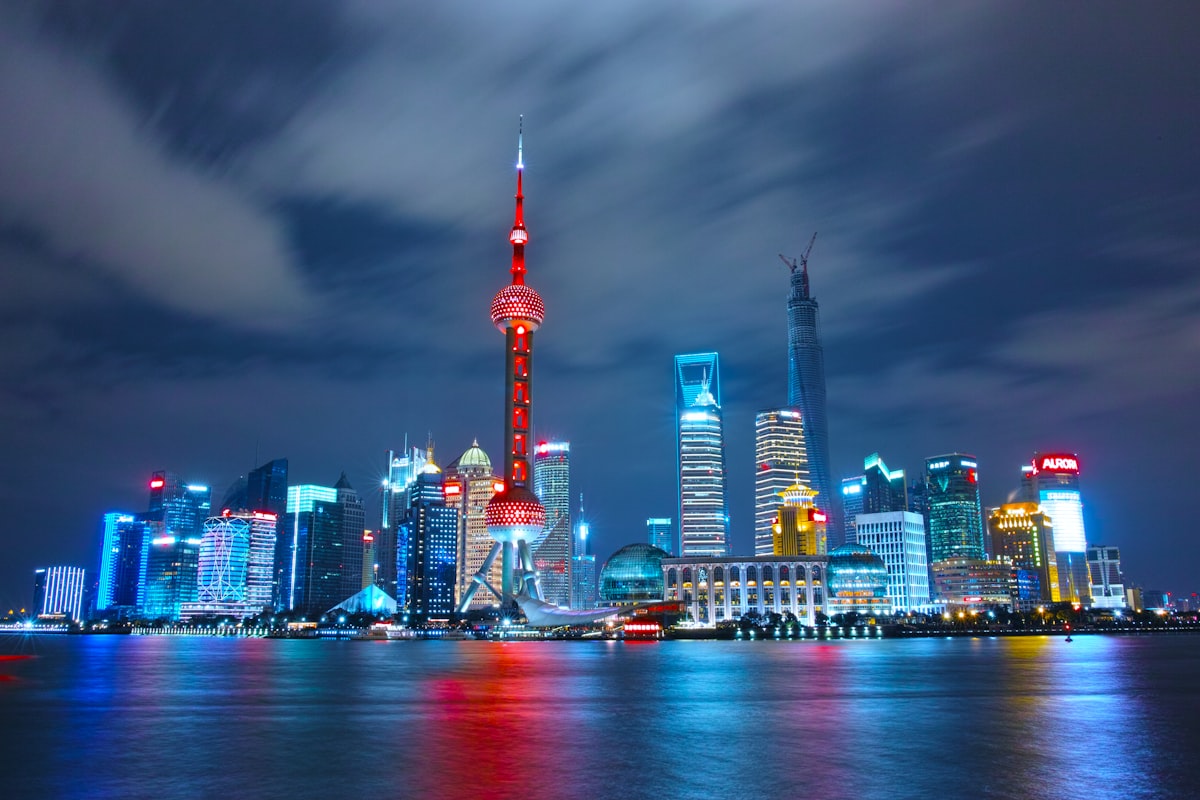
Shanghai hits different. Beijing gives you 600-year-old walls. Xi’an gives you 2,200-year-old warriors. Shanghai gives you… a skyline that looks like it arrived from 50 years in the future, and tree-lined streets that feel like Paris got lost and ended up in China.
Three days is the sweet spot. This itinerary covers the must-sees, the must-eats, and the neighborhoods that make Shanghai more than its postcards.
Before You Go — Shanghai-Specific Prep
Shanghai rewards a small amount of advance planning. These five things make the difference between a smooth trip and standing in avoidable queues.
| Task | Why |
|---|---|
| Book Shanghai Tower / observation deck in advance | Skip the queue. Trip.com sells tickets with time slots. Walk-up lines can exceed an hour on weekends. |
| Reserve Yu Garden if visiting on a weekend | Book via Trip.com or the WeChat mini-program. Weekdays are usually fine for walk-up. |
| Download offline Amap for Shanghai | Metro lines, walking routes, bus connections. Google Maps is unreliable in China. |
| Check Pudong skyline light-up time | Varies by season: ~5:30 PM in winter, ~7:00 PM in summer. Plan your Day 1 timing around this. |
| Set up Alipay before arriving | Full guide here. Shanghai is functionally cashless — even the smallest dumpling stall expects a QR scan. |
Where to Stay for This Itinerary
Shanghai is massive. Picking the right neighborhood saves you an hour of commuting every day. Here is how the top areas compare.
| Area | Why | Price (¥/night) |
|---|---|---|
| Jing’an | Best all-rounder. Central, great food nearby, Jing’an Temple, metro hub connecting Lines 2, 7, 14. | ¥400–1,000 |
| Nanjing Road East / Bund | Most central. Walk to the Bund. Touristy — but you are a tourist, and the location is unbeatable. | ¥500–1,500+ |
| French Concession | Boutique hotels, tree-lined streets, best cafes. You will spend a lot of time here anyway. | ¥500–1,500+ |
| People’s Square | Budget-friendly, metro hub, close to museums and Nanjing Road. Solid value. | ¥300–800 |
Recommendation: Jing’an hits the sweet spot for most travelers — central, well-connected, and surrounded by good food at every price point. If your budget stretches, a boutique hotel in the French Concession is the atmospheric choice.
Day 1: The Shanghai You Pictured
Orientation day. Skyline, the Bund, the “whoa” moment. This is the Shanghai from the postcards — and it genuinely delivers.
Morning: The Bund & Crossing to Pudong
Start at the Bund (外滩) around 9:00 AM. Walk the promenade from south (near the Old Signal Tower) to north (Waibaidu Bridge). Colonial-era buildings on your left — the old HSBC Building with its dome, the Customs House with its Big Ben clone clock, the Peace Hotel. Pudong’s towers across the river: the Shanghai Tower, the World Financial Center (the “bottle opener”), the Jin Mao Tower, and the Oriental Pearl’s pink spheres.
This walk takes 30–45 minutes at a relaxed pace. Take photos now — morning light on Pudong is clean and uncrowded — AND come back for sunset. The Bund in morning light and the Bund after dark are two completely different experiences.
Cross to Pudong: Metro Line 2 from Nanjing Road East to Lujiazui (one stop). Walk out of the station and look up. The Shanghai Tower sways slightly in the wind. It is 632 meters tall. The sense of scale from street level is the first moment where Shanghai genuinely stuns you.
Lunch: Lujiazui
Two good options:
- Din Tai Fung (鼎泰丰) in the Shanghai Tower basement for xiaolongbao. ¥80–150/person. Reliable, air-conditioned, excellent soup dumplings.
- Super Brand Mall food court (正大广场), 10th floor: ¥40–100/person. More variety, river views, and a chance to see what a modern Chinese food court looks like.
Afternoon: Shanghai Tower
Go up Shanghai Tower (上海中心). 118 floors, the world’s second-tallest building. The observation deck runs ¥180–260 (about $25–36 USD). Book a 3:00–4:00 PM time slot so you are up there as golden hour begins.
The elevator takes 55 seconds to reach the 118th floor. Your ears will pop. On a clear day the visibility reaches 80 kilometers. The view down the Huangpu River, the curve of the Bund, the endless sprawl of a city of 25 million people — it is the single best orientation to Shanghai’s scale. The 126th floor has a damper light show (adds ~¥88 to your ticket) if you want the full experience.
Alternative: Shanghai World Financial Center (the “bottle opener” building). 100th floor, including a glass-bottom skywalk at 474 meters. Slightly less crowded than Shanghai Tower. ¥180. A solid choice if Shanghai Tower time slots are sold out.
Evening: The Light-Up & Dinner
Back to the Bund side (Metro Line 2 back to Nanjing Road East). Find a spot on the promenade by 6:00 PM (winter) or 7:00 PM (summer) for the light-up. The moment Pudong’s towers switch on — it is genuinely moving. The buildings don’t just light up; the whole skyline ignites. Stay for 20–30 minutes. Bring a jacket — the river breeze picks up after dark.
Dinner: Walk inland 2–3 blocks off the Bund. Bund-front restaurants charge a view premium that the food rarely justifies. Head to:
- Lao Jishi (老吉士) or Jesse Restaurant (吉士) — old-school Shanghainese cuisine. Order red-braised pork (红烧肉, ¥68–98), drunken chicken (醉鸡, ¥48–68), and xiefen shizitou (crab meat lion’s head meatballs). ¥100–200/person.
- Optional nightcap: Rooftop bars. Flair at the Ritz-Carlton, Vue Bar at Hyatt on the Bund, or Bar Rouge. Cocktails ¥80–150. The view is the point. Go for one drink, take your photos, and leave before the markup catches up with you.
Day 1 totals: ~15,000–18,000 steps. Comfortable shoes, every day.
Day 2: Old Shanghai & The French Concession
The day that surprises everyone. Travelers who expect “just skyscrapers” walk out of Day 2 genuinely shaken — in the best way. This is the Shanghai of Ming Dynasty gardens, plane-tree tunnels, and cafe culture that rivals any European capital.
Morning: Yu Garden
Start early at Yu Garden (豫园). The garden opens at 9:00 AM. Go at opening. By 10:00 AM it is a solid mass of tour groups, and the narrow rockery paths become single-file.
This is a Ming Dynasty garden — built 1577, fully restored, and genuinely beautiful. Rockeries, koi ponds, covered walkways, dragon walls, and the Exquisite Jade Rock (a 5-ton porous stone the garden was literally designed around). Entry is ¥30–40 (about $4–5.50). Take your time. The garden keeps revealing new corners — pavilions tucked behind rock walls, a hidden bamboo grove, a carp pond you missed on the first loop. Budget 1–1.5 hours.
After the garden, exit into the Yuyuan Bazaar / City God Temple (城隍庙) area. The bazaar architecture — zigzag bridges, upturned eaves, red lanterns — is classic “old China,” but openly touristy. Fun to walk through. The City God Temple is free, incense is free, and it is a real working temple where locals still pray. Worth 15 minutes.
⚠️ The Tea Scam Warning: A friendly stranger near Yu Garden who invites you to “practice English” or “join a traditional tea ceremony” is running a well-known scam. You will be taken to a nondescript tea house and charged ¥300+ for ordinary tea. The “ceremony” is a sales pitch. Politely decline and walk away. This scam has been running for over a decade because it works — do not be the person it works on.
Lunch: Soup Dumplings
Two paths:
- Nanxiang Steamed Bun Restaurant (南翔馒头店) in the Yuyuan Bazaar. The 1900 original. Three floors: ground floor for takeaway (¥25 for 16), second floor for seated service (¥60–100/person). The history is real, but the queue reflects the location.
- Better option: Walk 15 minutes to Jia Jia Tang Bao (佳家汤包) on Huanghe Road. Widely considered the best xiaolongbao in Shanghai. ¥23 for 12 dumplings — exceptional value. The crab roe version runs ¥30–50. Go before 11:30 AM or after 1:30 PM to avoid the longest wait.
Afternoon: French Concession (法租界)
This is the neighborhood travelers consistently call Shanghai’s biggest surprise. The French Concession was a French-administered district from 1849 to 1943. Today it is tree-lined streets, European villas, plane trees forming a green tunnel overhead, boutique shops, and the best cafe culture in China.
The area is made for wandering, not checklist-ticking. Here is a loose route that works:
Start at Wukang Road (武康路). Metro Line 10 to Shanghai Library Station or Line 11 to Jiaotong University Station. Begin at Wukang Mansion (武康大楼) — the wedge-shaped 1924 apartment building (formerly the Normandie Apartments, designed by László Hudec) that is Instagram-famous. Best photos from the pedestrian island across the street, not the crowded sidewalk directly in front.
Walk south along Wukang Road. Pop into:
- Ferguson Lane (武康庭) — a courtyard of cafes, boutique shops, and galleries tucked behind an unassuming entrance.
- % Arabica coffee — Kyoto-origin cafe in a heritage building courtyard. Excellent coffee, calm wooden deck. ¥30–45/drink.
- Side-street galleries, tiny coffee roasters, vintage clothing stores. Wukang Road rewards the unplanned detour.
Then cut east toward Anfu Road (安福路) — Shanghai’s current epicenter of youth culture. Fashion boutiques, street-style photographers, and a crowd that treats the street itself as a runway. RAC Cafe (322 Anfu Road) does legit French crepes and brunch. Baker & Spice has pastries and prime people-watching.
Continue to Huaihai Road (淮海路) — the former Avenue Joffre, the Concession’s main artery. The side streets off Huaihai — Fumin Road, Changle Road, Julu Road — are full of small bars, independent boutiques, and the kind of local life that makes you forget you are in a megacity.
Total French Concession walking: 2–3 hours at a leisurely pace with stops. The area is completely free and open 24/7. Shared bikes (scan with Alipay, ¥1.50/ride) are ideal for hopping between streets.
Evening: Speakeasies or Park Life
Stay in the French Concession for dinner. The area has Shanghai’s best international food (Italian, French, fusion) if you need a break from Chinese. Or find a Shanghainese restaurant for the full experience.
Option A — Cocktails: Speak Low (复兴中路) is hidden behind a bookshelf in what looks like a barbershop supply store. The cocktails are exceptional — it has ranked on Asia’s 50 Best Bars list. ¥80–120/drink. Go early (before 8:00 PM) or expect a wait.
Option B — Low-key: Grab a bottle of Tsingtao from a convenience store and sit in Fuxing Park (复兴公园). Every evening, weather permitting, local retirees gather to ballroom dance. Waltz, tango, line dancing — with portable speakers and genuine joy. It is one of the most unexpectedly delightful scenes in Shanghai. Free.
Day 2 totals: ~18,000–22,000 steps. The French Concession is flat and shaded, but it is a lot of walking.
Day 3: Choose Your Adventure
By Day 3, you have seen the skyline and fallen into the neighborhoods. Now pick your ending. Four options based on travel style:
| Style | What | Why |
|---|---|---|
| 🧘 Chill & Culture | Jing’an Temple → M50 Art District → Suzhou Creek walk → final Bund sunset | Low-key, creative, less rushed. Feels like YOUR Shanghai. |
| 🌊 Day Trip | Suzhou — 25 minutes by train, canals, UNESCO classical gardens. Back by evening. | Gets you out of the city. Suzhou’s gardens are legendary. |
| 👨👩👧 Family | Shanghai Natural History Museum → Century Park → Shanghai Ocean Aquarium | Kids love it. Low stress. Indoor if weather turns. |
| 🛍️ Shop & Eat | Tianzifang → Xintiandi → final feast dinner | Good last-day energy. Walkable, food-focused, souvenir-friendly. |
Option A: Chill & Culture (Detailed)
Jing’an Temple (静安寺): A golden-roofed Buddhist temple surrounded on all four sides by skyscrapers and luxury malls. The contrast IS Shanghai — Chanel and chanting monks in the same frame. ¥50 entry (~$7). Active temple: incense smoke, worshippers, a 15-ton silver Buddha in the Mahavira Hall, and a white jade Buddha. The temple has stood here in some form since 247 AD, though the current golden structure is a recent rebuild. 45 minutes. Open 7:30 AM–5:00 PM. Metro Lines 2/7/14, Jing’an Temple Station, Exit 1 — the temple is directly in front of you.
M50 Art District (M50创意园): Shanghai’s answer to 798 in Beijing. A former textile mill complex turned contemporary art hub — 140+ galleries and studios. Free entry. The outdoor graffiti walls alone are worth the trip. Grittier and more experimental than 798, with a quieter, less commercial energy. Galleries typically open 10:00 AM–6:00 PM; some close Mondays. Budget 1.5–2 hours. Metro Line 13 to Jiangning Road Station, then a 10-minute walk. 50 Moganshan Road.
Suzhou Creek (苏州河): Walk west from M50 along the creek path. Old warehouses, repurposed industrial buildings, new galleries, a quiet walking route that most tourists never find. Good for photos and a moment of calm before your final evening.
Final evening: Back to the Bund. One last look. It hits different on your last night — you know the city a little now, and the skyline feels less like a postcard and more like a place you have been.
Option B: Suzhou Day Trip (Detailed)
Suzhou is one of the best day trips in China. High-speed trains make it absurdly easy.
The train:
- Shanghai Station to Suzhou Station: 25 minutes, ¥40 ($5.50) second class.
- Trains depart every 5–15 minutes from roughly 5:00 AM to 11:00 PM.
- Book via Trip.com or at the station. For normal days, same-day booking works. During holidays, book 3+ days ahead.
- See our high-speed rail guide for full booking instructions.
Morning: Humble Administrator’s Garden (拙政园) — ¥70, UNESCO-listed, the most famous classical Chinese garden. Arrive at opening (7:30 AM) to see it before the crowds. The garden is a masterpiece of Ming Dynasty landscape design: water features, pavilions, rockeries, and borrowed views that make a modest space feel boundless. 1.5–2 hours.
Alternative: Lingering Garden (留园) — ¥55, smaller, more intimate, less crowded. If you prefer quiet over defining, pick this one.
Lunch: Songhelou (松鹤楼) — Suzhou’s historic restaurant, established 1737. Order the Suzhou-style squirrel fish (松鼠桂鱼, ¥128+), a sweet-and-sour whole fish scored to look like a squirrel’s tail. It is a Suzhou signature.
Afternoon: Pingjiang Road (平江路) — canals, stone bridges, tea houses, calligraphy shops. Walk it end to end. The street runs alongside a canal and preserves the old Suzhou layout of “water lanes, stone bridges, white walls, black tiles.” Then Shantang Street (山塘街) if you have the energy — another canal street, more commercial but photogenic.
Back to Shanghai: Catch a train around 6:00 PM. You are back in Shanghai by 6:30 PM. Dinner at your neighborhood spot — you have earned a low-key evening.
Option C: Family (Quick Notes)
- Shanghai Natural History Museum: World-class dinosaur exhibits, a spectacular building design (the “cocoon” wall), interactive displays. ¥30. Metro Line 13, Natural History Museum Station. Budget 2–3 hours. Closed Mondays.
- Century Park: Shanghai’s largest park, ¥10. Boating lake, open lawns, playgrounds. Good for burning off kid energy.
- Shanghai Ocean Aquarium: In Lujiazui, near the Pearl Tower. ¥160. The underwater tunnel is one of the longest in the world. Kids consistently rate it as a highlight.
Option D: Shop & Eat (Quick Notes)
- Tianzifang (田子坊): Alley market in converted shikumen lane houses. Tourist-saturated but genuinely fun. Artisan shops, snack stalls, tiny bars. Better for browsing than buying — prices are marked up. Free entry.
- Xintiandi (新天地): Luxury shopping in restored shikumen buildings. The architecture is beautiful (1920s lane houses, impeccably preserved). The shopping is high-end. Good for a coffee and people-watching even if you buy nothing.
- Final feast: Book a proper Shanghainese dinner. Fu He Hui (福和慧) for high-end vegetarian tasting menus (¥600+). Or go back to Lao Jishi for one last red-braised pork.
Shanghai Food Strategy
Shanghai’s food scene is deep. This is a quick hit list — our full Shanghai food guide covers it in detail.
| Dish | What It Is | Where | Price (¥) |
|---|---|---|---|
| Xiaolongbao (小笼包) | Soup dumplings. Thin skin, pork filling, hot broth inside. | Jia Jia Tang Bao (黄河路) | ¥23–50 |
| Shengjianbao (生煎包) | Pan-fried buns. Crispy bottom, thicker skin, juicy. | Yang’s Fry Dumplings (multiple) or Da Hu Chun (大壶春) | ¥15–25 |
| Red-braised pork (红烧肉) | Pork belly braised in soy sauce, sugar, Shaoxing wine. Melts. | Lao Jishi (老吉士) | ¥68–98 |
| Drunken chicken (醉鸡) | Cold poached chicken marinated in Shaoxing wine. Delicate, boozy, excellent. | Jesse Restaurant | ¥48–68 |
| Hairy crab (大闸蟹) | Seasonal (October–November). Sweet, rich roe. A Shanghai obsession. | Wang Bao He (王宝和) | ¥200–500 |
| Scallion oil noodles (葱油拌面) | Simple: noodles, scallion-infused oil, soy sauce. Perfect. | Any local noodle shop | ¥12–25 |
| Cifantuan (粢饭团) | Breakfast: sticky rice wrapped around youtiao (fried dough), pork floss, pickles. | Street stalls, Nanyang Lu | ¥6–12 |
How to eat xiaolongbao: Pick up by the top knot. Place on your spoon. Dip in black vinegar with shredded ginger. Bite a small hole in the side. Sip the broth. Then eat the rest. Do not bite straight in — the broth is hot enough to burn.
Payment note: Even the smallest food stall expects Alipay or WeChat Pay. If you have not set up Alipay yet, read our mobile payment guide.
Getting Around Shanghai
Shanghai’s transport system is one of the best in the world. Here is what you will actually use:
| Method | Best For | Cost | Notes |
|---|---|---|---|
| Metro | Long distances, crossing the river. 18 lines, English signs everywhere, air-conditioned. | ¥3–9/ride | Alipay transport QR code works. Some stations now accept foreign contactless cards. |
| Walking | French Concession, the Bund, Yu Garden area. These neighborhoods are made for walking. | Free | This itinerary involves 15,000–22,000 steps per day. Wear shoes you have broken in. |
| DiDi | Late night, with luggage, rain. Door-to-door, English interface via Alipay app. | ¥15–60 within city | Set pickup using Alipay’s built-in DiDi. No cash needed. |
| Shared bikes | Short hops in the French Concession. Scan QR with Alipay or Meituan app. | ¥1.50/ride | Best way to explore the Concession’s side streets. |
| Ferry | Bund to Pudong across the Huangpu River. | ¥2 | Same view as the ¥150 tourist cruise for 1/75th the price. Runs until ~9:00 PM. |
Navigation: Download Amap (高德地图) before your trip. Google Maps is unreliable for walking directions, bus routes, and business hours in China. Amap’s English mode is limited but functional — learn the Chinese characters for your key destinations as a backup. Apple Maps works in China without a VPN and is a decent secondary option. For metro-only navigation, MetroMan is an offline app that works well.
For more on getting into Shanghai, read our Shanghai arrival guide.
Budget Planning
Three days, per person, excluding accommodation. Convert at approximately ¥1 = $0.14 USD.
| Level | Daily Cost (¥) | Daily Cost ($) | Includes |
|---|---|---|---|
| Budget | ¥200–400 | $28–56 | Street food, metro, free sights, skip observation deck |
| Mid-range | ¥500–900 | $70–125 | Restaurants, Shanghai Tower entry, DiDi, a few bars |
| Comfort | ¥1,000–2,000+ | $140–280+ | Fine dining, rooftop bars, private tours, taxis everywhere |
Sample mid-range Day 1 breakdown:
- Shanghai Tower ticket: ¥180
- Lunch (Din Tai Fung): ¥100
- Metro/DiDi: ¥30
- Dinner (Lao Jishi): ¥150
- Rooftop cocktail: ¥100
- Total: ~¥560 ($78)
Shanghai can be done cheaply (stick to metro, eat at local dumpling shops, skip observation decks) or lavishly. The mid-range track is where most travelers land — and where Shanghai delivers the best value.
Common Mistakes
Nanjing Road during Golden Week. If you visit during National Day (October 1–7) or Chinese New Year, Nanjing Road East reaches a density where sardines have more personal space. Shift your trip by a week. The difference between October 3 and October 10 in Shanghai is night and day.
Going up the Oriental Pearl Tower instead of Shanghai Tower. The Pearl Tower is shorter, more crowded, and similar in price. Its observation deck is at 350 meters versus Shanghai Tower’s 546 meters. The Pearl is defining from the outside; the Shanghai Tower is the one you want to be inside.
Underestimating the walking. Every day in this itinerary involves 15,000+ steps. The French Concession looks compact on a map but walking Wukang Road to Huaihai Road to Fuxing Park is several kilometers. Comfortable shoes, every single day.
Eating on the main Yuyuan Bazaar strip. Tourist prices, mediocre food. Walk 2 blocks in any direction and the food improves dramatically while the price drops. The Nanxiang Steamed Bun Restaurant is the honorable exception.
Not checking Yu Garden closing time. Last entry is typically 4:00 PM (one hour before the 4:30 PM close). Show up at 4:05 PM and you are not getting in. The garden is also closed Mondays, except on public holidays.
Trying to pay cash. Even the smallest street stall in Shanghai expects Alipay. Cash is technically legal tender but practically useless. Set up Alipay before you land. Our mobile payment guide walks you through it.
Taking the Bund Sightseeing Tunnel as transport. It is a 3-minute light show in a slow-moving tram, ¥50 one way. Fun in a kitschy way, but it is a gimmick, not a river crossing. Walk across the river on the Waibaidu Bridge or take Metro Line 2 — faster, free or ¥3, and the bridge has a better view.
Expecting Shanghai to feel “ancient.” Travelers sometimes arrive expecting the China of period films. Shanghai’s oldest surviving structures are mostly 19th century. The city’s magic is not antiquity — it is the collision of 1930s Art Deco, 21st-century ambition, and everyday street life. Enjoy it for what it is.
Beyond the Skyscrapers
If this itinerary leaves you wanting more — or if you are already planning a return trip — read our guide to Shanghai beyond the skyscrapers for the water towns, art villages, and neighborhoods that most visitors never reach.
Bottom Line
Shanghai in 3 days: Day 1 = “wow” (scale, skyline, the future arriving on schedule). Day 2 = “oh” (depth, gardens, the tree-lined real city hiding in plain sight). Day 3 = “I get it now” (creative, neighborhoods, YOUR Shanghai).
It is not Beijing. It is not competing with Beijing. It is the easy, beautiful, absurdly impressive welcome mat to China — a city that rewards you for showing up with good shoes, an open mind, and an empty stomach. Enjoy it for what it is.
Related guides you will need:
- Shanghai Arrival Guide — airports, metro from PVG, SIM cards, first hours
- Shanghai Food Guide — deep dive into what and where to eat
- Shanghai Beyond the Skyscrapers — water towns, art villages, hidden neighborhoods
- China Mobile Payment Guide — Alipay and WeChat Pay, step by step
- China High-Speed Rail Guide — train classes, booking, station navigation